Does the thought of every diaper change fill you with anticipation, or perhaps a hint of dread? As the engaging video above playfully illustrates, transforming the routine of a diaper change into a comfortable, even joyful, experience for your little one is entirely achievable. While the jingle highlights the basic steps, delving deeper into the science and best practices behind infant hygiene can further elevate this essential care ritual, ensuring optimal baby comfort during diaper changes.
Beyond the Jingle: Mastering Baby Comfort in Diaper Changes
Ensuring a baby’s comfort during a diaper change extends beyond merely swapping a wet nappy for a dry one. It encompasses understanding the unique physiology of infant skin, implementing meticulous hygiene practices, and fostering a positive interaction. Caregivers equipped with expert knowledge can significantly reduce the incidence of discomfort and common issues like diaper rash, promoting overall skin health and well-being.
Understanding Infant Skin: The Foundation of Diaper Care
Infant skin is remarkably different from adult skin, necessitating specialized care approaches. Its delicate structure and physiological immaturity render it more susceptible to irritation, dryness, and environmental factors. Consequently, a deep understanding of these characteristics forms the bedrock of effective diapering practices.
The stratum corneum, the outermost layer of the epidermis, is considerably thinner in infants. This structural difference means a less robust barrier against external irritants, allergens, and microbial invasion. Moreover, the pH of infant skin tends to be higher at birth, gradually becoming more acidic over the first few months. This acidic mantle is crucial for defending against pathogenic bacteria and maintaining skin integrity.
The Delicate Epidermal Barrier
Imagine if your body’s primary defense against the outside world was as thin as tissue paper. This analogy closely reflects the fragility of an infant’s epidermal barrier. Its reduced thickness and incomplete development mean it loses moisture more rapidly, leading to dryness, and is less effective at blocking potential irritants found in urine and feces. Therefore, selecting products that support and enhance this barrier function is paramount for baby comfort during diaper changes.
Maintaining Optimal Skin pH
The skin’s natural acidic pH, typically around 5.5, acts as a protective shield. In the diaper area, prolonged exposure to urine and feces, which are alkaline, can disrupt this delicate balance. This pH alteration compromises the skin’s barrier function, making it more vulnerable to enzymatic degradation from stool and bacterial overgrowth. Consequently, careful cleansing and protection are vital to preserve the skin’s optimal pH and prevent irritation.
The Art of the Diaper Change: A Step-by-Step Expert Guide
The video above showcases the joyful simplicity of a diaper change, but a more detailed approach ensures comprehensive care. Adhering to a systematic process not only enhances hygiene but also transforms the diapering routine into a moment of calm and connection.
Timely Diaper Changes: A Proactive Approach
The adage “prevention is better than cure” is particularly pertinent to diaper changes. Prolonged contact with wetness and soiled material creates an environment conducive to skin maceration and irritation. Therefore, caregivers should prioritize frequent checks and prompt changes. Infants typically require 10-12 diaper changes per day in their first few months, gradually decreasing to 6-8 as they grow older.
The Right Wipes: Cleansing with Care
As highlighted in the video, using moisturizing wipes from front to back is a crucial step. However, the quality and composition of these wipes are equally important. Selecting wipes specifically formulated for sensitive infant skin, free from harsh chemicals, alcohol, and fragrances, minimizes the risk of irritation. The moisturizing agents in these wipes can help replenish the skin’s natural lipids, preventing dryness and supporting the epidermal barrier. When wiping, always move from front to back to prevent the spread of bacteria, particularly in girls.
To Powder or Not to Powder: An Informed Decision
The video’s charming “Puff, puff, puff, let’s powder your bum” illustrates a traditional practice. Historically, baby powder, often talc-based, was used to absorb moisture and reduce friction. However, modern pediatric guidance often suggests caution with talcum powder due to concerns about inhalation and potential respiratory issues. Many experts now recommend cornstarch-based powders or, more commonly, barrier creams as safer and more effective alternatives. If using powder, apply it sparingly to your hand away from the baby, then gently pat it onto the skin, avoiding the genital area, ensuring it never enters the baby’s airways.
Selecting the Right Diaper
The choice of diaper plays a significant role in maintaining skin health and baby comfort during diaper changes. Modern disposable diapers are engineered with super-absorbent polymers (SAPs) that efficiently wick moisture away from the skin, trapping it within the diaper’s core. This superior absorbency helps maintain a drier environment, which is critical for preventing diaper rash. Furthermore, opting for diapers with breathable outer layers allows air circulation, further reducing humidity in the diaper area.
Preventing Diaper Rash: Strategies for Skin Integrity
Diaper rash is a common dermatological concern in infancy, often characterized by redness, inflammation, and discomfort. While a mild rash can be easily managed, persistent or severe cases warrant professional medical attention. Proactive strategies are essential to maintain skin integrity and prevent this distressing condition.
Recognizing Early Indicators
Early detection is key to managing diaper rash effectively. Caregivers should be vigilant for any subtle changes in the diaper area, such as slight redness, warmth to the touch, or increased fussiness during diaper changes. These signs often precede a full-blown rash. Imagine missing these early warnings, only to discover your infant in significant discomfort later. Prompt intervention can often prevent escalation.
The Role of Barrier Creams
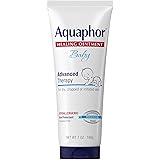
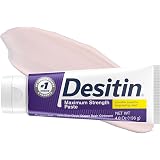
Barrier creams, typically containing zinc oxide or petrolatum, are indispensable tools in diaper rash prevention. These formulations create a protective layer on the skin, shielding it from moisture and irritants. Applied generously to clean, dry skin after each diaper change, they act as an occlusive barrier, preventing urine and feces from directly contacting the delicate epidermis. Consistent application of an appropriate barrier cream is a cornerstone of effective diaper care.
Transforming Diapering into a Bonding Ritual
Beyond the practical aspects of hygiene, the diaper change offers a unique opportunity for bonding and connection. Engaging with your infant during these moments can foster a sense of security and make the experience more pleasant for both caregiver and child. This special time is not just about keeping baby comfortable during diaper changes but also about nurturing the parent-child relationship.
Engaging Your Infant
During a diaper change, maintain eye contact, speak softly, and use gentle touches. Singing a simple song, as demonstrated in the video, can be incredibly soothing. Describe what you are doing in a calm voice, “Now we’re putting on a clean diaper,” or “Time for some cream to keep your skin soft.” These interactions create a predictable and comforting routine, helping your baby feel secure and loved.
Consistency and Predictability
Infants thrive on routine and predictability. Establishing a consistent diaper changing ritual provides a sense of security and helps your baby anticipate the next steps. This consistency, coupled with positive engagement, transforms a necessary chore into a cherished interaction. Ultimately, the goal is to make every diaper change a moment of comfort, care, and connection for your precious little one.
Ensuring Every Snuggle: Your Diaper Change Q&A
Why is a baby’s skin different from adult skin?
Infant skin is much thinner and its protective barrier is not fully developed compared to adult skin. This makes it more delicate and susceptible to irritation and dryness.
How often should I change my baby’s diaper?
It’s important to change diapers frequently to avoid prolonged contact with wetness and soiled material. Newborns typically need 10-12 diaper changes per day, decreasing to 6-8 as they grow.
What should I look for when choosing baby wipes?
Select moisturizing wipes specifically formulated for sensitive infant skin, ideally free from harsh chemicals, alcohol, and fragrances. Always wipe from front to back, especially for girls, to prevent bacteria spread.
Should I use baby powder during diaper changes?
Modern advice suggests caution with traditional talcum powder due to potential respiratory concerns. Cornstarch-based powders or barrier creams are often recommended as safer and more effective alternatives for moisture absorption and protection.