Selecting the right products for a baby’s delicate skin is a top priority for many parents, and understanding the pH balance of baby soaps is extremely important. As demonstrated in the accompanying video, different baby soaps are evaluated based on their pH levels and assigned scores, guiding parents towards optimal choices for newborn and infant care.
The skin of a baby, particularly that of a newborn, is remarkably sensitive. Its barrier function is not fully developed, making it more permeable and susceptible to external factors than adult skin. Consequently, maintaining the skin’s natural protective layer, known as the acid mantle, becomes a critical aspect of daily care, which is heavily influenced by the pH of bathing products.
Understanding Baby Skin pH and the Acid Mantle
The surface of healthy adult skin typically maintains an acidic pH, ranging from 4.5 to 5.5. This slightly acidic environment is essential for the skin’s defense mechanisms, offering protection against harmful bacteria, environmental pollutants, and irritants. For newborns, however, the skin’s pH can start slightly higher, gradually acidifying over the first few weeks of life to reach this optimal range.
When a baby’s skin comes into contact with products that have a significantly higher, or alkaline, pH, this delicate acid mantle can be disrupted. Repeated exposure to alkaline substances is known to strip away natural oils and weaken the skin barrier. This condition leads to dryness, irritation, and an increased risk of skin conditions like eczema or diaper rash. Therefore, the use of baby soaps formulated with a pH close to that of healthy infant skin is generally recommended by pediatricians.
Why pH 5.5 is Often Recommended for Baby Soaps
A pH level of 5.5 is widely recognized as the ideal balance for maintaining the integrity of the baby’s skin barrier. Products formulated at this pH help to support the skin’s natural acidity, which in turn reinforces its protective functions. It is widely understood that these formulations are gentler, less likely to cause irritation, and help in preventing moisture loss. Choosing products specifically designed with this pH in mind is a proactive step in safeguarding a baby’s skin health.
For parents, finding products that align with these recommendations can seem daunting amidst a crowded market. However, a closer look at product labels and pediatrician advice can simplify the decision-making process. The goal is always to support the skin’s inherent ability to protect itself, rather than inadvertently compromising it.
Pediatrician-Recommended Baby Soaps: A Detailed Look
As highlighted in the video, various popular baby soap brands are assessed based on their pH value and overall suitability for baby skin. A higher score, particularly a perfect 10, often indicates that the product’s pH is optimally matched to baby skin and is recognized for its gentle formulation. This can be seen as a comparison of how well each product aligns with pediatric dermatological standards.
Top-Rated Choices: pH 5.5 and Optimal Performance
Several brands consistently receive top marks for their commitment to baby skin health. These products are typically formulated to closely match the natural pH of a baby’s skin, often around 5.5.
- Tedibar: This baby cleansing bar scored an impressive 10, with a pH of 5.5. It is a pharmaceutical-grade product, often recommended by pediatricians and dermatologists specifically for its skin-friendly pH and mild cleansing properties. Its formulation is designed to be extremely gentle, minimizing the risk of irritation.
- Sebamed: Also receiving a perfect score of 10 and a pH of 5.5, Sebamed is globally recognized for its commitment to maintaining the skin’s acid mantle. Their baby line is specifically developed to support the physiological acidity of baby skin, which contributes to its strong protective barrier.
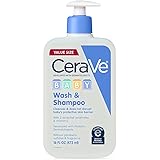
- Cetaphil: Cetaphil Gentle Cleansing Bar, specifically designed for sensitive skin, scored 10 with a pH of 5.5. While often associated with general sensitive skin care, its baby range adheres to the same philosophy, providing a very mild and non-irritating wash that is well-suited for infants.
These top-tier options are frequently considered benchmarks in baby skincare, providing a high level of assurance regarding their impact on a baby’s delicate skin. Their formulations are rigorously tested to ensure efficacy and safety, making them preferred choices for many.
Good Options with Slight pH Variation: 5.5 to 6.0
Other brands offer very good choices, though their pH might slightly vary from the ideal 5.5. These products still generally maintain a skin-friendly acidity but may lean towards a slightly higher pH within the acceptable range. They are often chosen for their accessibility and popular appeal.
- Chicco: With a pH ranging from 5.5 to 6, Chicco received a score of 8 out of 10. Chicco’s baby line often emphasizes natural ingredients and gentle formulas, designed for daily use. Their products are generally well-tolerated and provide effective cleansing without harshness.
- Mamaearth: Mamaearth also scored 8 out of 10, with a pH between 5.5 and 6. This brand often highlights its natural and toxin-free approach, which appeals to parents seeking alternatives to conventional baby products. Their focus on plant-based ingredients is a significant factor in their popularity.
These selections represent effective and gentle choices that generally do not disrupt the baby’s skin barrier. They are frequently used by parents who are looking for reliable and widely available options in baby care.
Acceptable Everyday Choices: pH 6.0 and Above
Some widely available brands, while popular, may have a pH that is slightly higher, moving towards neutral or mildly alkaline. While still considered baby products, they might not offer the same level of acid mantle support as those closer to pH 5.5.
- Dove moisturizing bar: This product, with a pH of 6, scored 7 out of 10. Dove is known for its moisturizing properties, often incorporating gentle cleansers and hydrating ingredients. For babies, its slightly higher pH is often balanced by its emphasis on adding moisture back to the skin during cleansing.
- Himalaya: Scoring 6 out of 10, Himalaya’s baby range has a pH between 6 and 7. This brand often utilizes herbal ingredients, blending traditional knowledge with modern formulations. While aiming for natural goodness, the pH can sometimes vary, placing it in a slightly less acidic category compared to the top performers.
- Johnson’s Baby: Johnson’s Baby also received a score of 6 out of 10, with a pH between 6 and 7. This brand is a long-standing staple in baby care, globally recognized for its “no tears” formula. While constantly reformulating to meet modern standards, its pH range suggests it leans towards a more neutral or slightly alkaline profile, which might be less ideal for maintaining the acid mantle compared to options at pH 5.5.
These products are widely accessible and have been used by generations of parents. Their suitability often depends on the individual baby’s skin sensitivity and how it reacts to a slightly less acidic environment. For some, they may work perfectly well, while others might require formulations closer to pH 5.5.
Beyond pH: Other Factors in Choosing Baby Soaps
While pH is a critical factor, it is just one component in the overall assessment of a baby soap’s suitability. Other considerations play a significant role in ensuring the product is truly gentle and beneficial for delicate baby skin.
Ingredient Transparency and Avoidance of Harsh Chemicals
Parents are encouraged to scrutinize ingredient lists for potential irritants. Substances such as sulfates (like SLS/SLES), parabens, phthalates, artificial dyes, and strong fragrances are frequently identified as potential sensitizers for infant skin. The preference is usually given to products with a minimal number of ingredients, prioritizing natural derivatives and hypoallergenic formulations.
Reading labels carefully allows for an informed decision. Ingredients like glycerin, natural oils (e.g., almond oil, shea butter), and mild surfactants are often preferred. A simpler ingredient list generally translates to fewer potential irritants for sensitive skin.
Fragrance-Free vs. Naturally Scented Options
Fragrances, even those derived from natural sources, are a common cause of skin irritation and allergic reactions in babies. For newborns and babies with very sensitive skin or conditions like eczema, fragrance-free products are almost always recommended. If a scent is desired, it is often suggested that it comes from mild, natural extracts rather than synthetic perfumes.
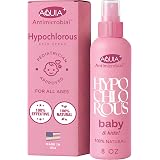
The absence of fragrance is often marketed explicitly on product packaging. When a product is labeled “hypoallergenic,” it indicates a reduced likelihood of causing allergic reactions, although it doesn’t guarantee the complete absence of all potential allergens.
Dermatologist and Pediatrician Tested Labels
Products that carry labels such as “dermatologist tested” or “pediatrician recommended” generally provide an extra layer of assurance. These labels indicate that the product has undergone testing and evaluation by medical professionals specializing in skin or child health, respectively. Such endorsements can offer peace of mind to parents navigating the vast array of baby care products.
This external validation helps to confirm that the product’s claims of gentleness and safety have been reviewed. It is understood that these certifications are valuable in making decisions, particularly when comparing similar baby soaps.
Practical Tips for Bathing Your Baby
The way a baby is bathed is just as important as the products used. A gentle approach can further protect their delicate skin.
- Lukewarm Water: Always use lukewarm, not hot, water for bathing. The water temperature should be comfortable to the touch on your elbow or wrist.
- Short Bath Times: Keep baths short, typically 5-10 minutes. Prolonged exposure to water, even mild water, can strip the skin of its natural oils.
- Gentle Cleansing: Apply baby soap sparingly, using your hand or a very soft washcloth. Focus on areas that tend to get dirty, such as the neck, diaper area, and skin folds.
- Thorough Rinsing: Ensure all traces of soap are rinsed off the baby’s skin. Residue can lead to irritation.
- Pat Dry, Don’t Rub: After the bath, gently pat your baby’s skin dry with a soft towel. Avoid harsh rubbing.
- Moisturize Immediately: Within a few minutes of drying, apply a gentle, fragrance-free baby moisturizer. This helps to lock in moisture and further supports the skin barrier.
By combining careful product selection with proper bathing techniques, parents can effectively care for their baby’s sensitive skin. The choice of baby soap, particularly one with an optimal pH, significantly contributes to maintaining healthy, comfortable skin. These simple yet effective practices are essential for baby’s overall skin health and well-being.
Safe Suds & Skin: Your Baby Soap Q&A
Why is pH important for baby soaps?
Baby skin has a delicate protective layer called the acid mantle. Using soaps with an incorrect pH can disrupt this layer, making the skin prone to dryness and irritation.
What is the ideal pH level for baby soaps?
A pH level of 5.5 is widely recommended for baby soaps. This helps maintain the baby’s natural skin acidity and supports its protective barrier.
What is the ‘acid mantle’ on baby skin?
The acid mantle is a slightly acidic, natural protective layer on a baby’s skin. It acts as a defense against harmful bacteria, environmental pollutants, and irritants.
What ingredients should I avoid in baby soaps?
It’s best to avoid harsh chemicals like sulfates, parabens, phthalates, artificial dyes, and strong fragrances. Look for products with minimal, natural ingredients and hypoallergenic formulations.
What are some examples of highly-rated pH 5.5 baby soaps?
Brands like Tedibar, Sebamed, and Cetaphil are often top-rated for having a pH of 5.5. These products are known for being gentle and optimally matched to baby skin.