The delicate nature of infant skin demands careful attention. A well-planned baby skincare routine is crucial. Understanding the unique physiological attributes of newborn skin is essential. This supplementary guide expands upon the valuable insights implied by the video.
Infant skin, a developing organ, differs significantly from adult skin. Its stratum corneum is thinner by approximately 30%. This makes it more permeable to topical agents. Additionally, the immature epidermal barrier allows for greater transepidermal water loss (TEWL). Research indicates TEWL can be up to three times higher in newborns. This increased permeability heightens susceptibility to irritants and allergens. Thus, selecting appropriate baby skincare products becomes paramount.
Understanding Infant Skin Physiology
Newborn skin exhibits unique structural characteristics. Its reduced lipid content impacts barrier function. This often leads to increased dryness. The skin’s pH is also higher at birth, ranging from 6.0 to 7.0. It gradually acidifies over the first few weeks of life. An acidic mantle (pH 4.7-5.5) protects against bacterial proliferation. Maintaining this critical balance is key for optimal infant skin health.
Key Differences in Baby Skin
Several factors distinguish infant from adult skin. Infants have smaller keratinocytes and reduced melanin. This makes their skin more susceptible to UV radiation. Their sweat glands are less developed, impacting thermoregulation. These differences underscore the need for specialized baby skincare products. Standard adult formulations often contain harsh chemicals.
Essential Components of a Baby Skincare Routine
A structured approach helps safeguard delicate skin. Focus on gentle cleansing, effective moisturizing, and targeted protection. Consistency yields the best outcomes for infant skin integrity. Each step should prioritize safety and efficacy.
Gentle Cleansing Practices
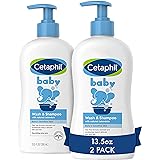
Bathing frequency should be moderate. Three baths per week are typically sufficient for newborns. Use lukewarm water, not hot, to prevent dryness. Bathing durations should be brief, around 5-10 minutes. A study noted prolonged baths can exacerbate TEWL by 15-20%. Opt for mild, pH-neutral cleansers. Ensure chosen baby skincare products are fragrance-free. Avoid harsh soaps containing sulfates or parabens. These can strip natural skin oils. Gentle patting dry is recommended. Vigorous rubbing can cause irritation. Pay special attention to skin folds, drying them thoroughly.
Effective Moisturizing Strategies
Hydration is vital for maintaining skin barrier function. Apply a hypoallergenic moisturizer daily. Do this within minutes after bathing. This helps lock in moisture effectively. Look for formulations containing ceramides or glycerin. These ingredients support the skin’s natural barrier. Emollients and occlusives are beneficial. They reduce water loss significantly. Studies show regular moisturization can decrease eczema incidence. This benefit is particularly noted in high-risk infants by 50%. A pea-sized amount is often sufficient. Gently massage it into the skin. Pay attention to dry areas like cheeks or limbs. Always choose unscented baby skincare products.
Addressing Common Infant Skin Concerns
Babies are prone to various skin conditions. Awareness and proper care are preventative. Early intervention often prevents escalation. Understanding these conditions helps parents manage them effectively.
Diaper Rash Management
Diaper dermatitis is a common issue affecting 10-35% of infants. Frequent diaper changes are the first line of defense. Change wet or soiled diapers promptly. Clean the area with mild water or a gentle wipe. Pat dry thoroughly before applying new diapers. Use a thick barrier cream. Zinc oxide or petroleum jelly are effective options. These create a protective layer against moisture. Avoid perfumed wipes or powders. Talc-based powders can pose inhalation risks. If rash persists, consult a pediatric dermatologist. They can recommend stronger treatments. Choosing high-absorbency baby skincare products, such as quality diapers, also helps.
Eczema (Atopic Dermatitis) Care
Eczema affects about 1 in 5 children. It presents as red, itchy, dry patches. Genetics and environmental factors play roles. Strict adherence to a moisturizing regimen is critical. Apply emollients multiple times daily. This strengthens the skin barrier. Identify and avoid potential triggers. These include harsh soaps, certain fabrics, or allergens. Cool, damp compresses can soothe acute flare-ups. A pediatric dermatologist can prescribe topical corticosteroids. These reduce inflammation during severe episodes. Ongoing care for sensitive skin is paramount. Always prioritize hypoallergenic baby skincare products. These minimize allergen exposure.
Cradle Cap Solutions
Seborrheic dermatitis, known as cradle cap, is common. It manifests as greasy, yellowish scales on the scalp. It is harmless and not contagious. Gentle cleansing helps manage it. Wash the baby’s hair daily with a mild baby shampoo. Use a soft brush to loosen the scales. Apply a small amount of mineral oil or baby oil. Let it sit for 15-20 minutes before shampooing. Then, gently comb through to remove scales. Avoid picking at the scales directly. This can cause irritation or infection. The condition usually resolves within a few months. Consistent gentle care is often sufficient.
Ingredient Safety and Product Selection
Choosing safe baby skincare products is non-negotiable. Scrutinize ingredient lists carefully. “Natural” does not always mean safe or effective. Prioritize transparency and scientific backing. Consult with pediatricians for product recommendations.
Ingredients to Avoid
Certain chemicals can be detrimental to infant skin. Avoid parabens, often listed as methylparaben or propylparaben. Phthalates, common in fragrances, are also concerning. Sulfates (SLS, SLES) can strip natural oils. Formaldehyde-releasing preservatives should be excluded. These include quaternium-15 or DMDM hydantoin. Fragrances, even “natural” ones, can cause contact dermatitis. Dyes can also be irritants. Ethanol and isopropyl alcohol are drying agents. Choose formulations free from these harsh additives. Always read labels diligently. Your choices impact the long-term health of your baby’s skin.
Beneficial Skincare Ingredients
Seek out ingredients known for their gentleness and efficacy. Glycerin is a powerful humectant, attracting moisture. Ceramides fortify the skin’s lipid barrier. Shea butter and petrolatum are excellent emollients. These lock in hydration. Zinc oxide is a key ingredient in diaper creams. It also provides mineral sun protection. Plant-based oils like sunflower oil offer fatty acids. Ensure these are cold-pressed and pure. Water is often the primary ingredient in mild cleansers. Hypoallergenic formulations reduce allergy risk. Dermatologist-tested products offer an extra layer of assurance. Prioritize products designed specifically for babies. These undergo rigorous testing for safety. Developing a sound baby skincare routine relies heavily on these careful selections.
Soft Skin, Clear Answers: Your Baby Skincare Q&A
Why is a baby’s skin so delicate?
Baby skin is thinner and more permeable than adult skin, making it more susceptible to irritants and water loss. Its protective barrier is still developing, requiring careful attention.
How often should I bathe my newborn baby?
For newborns, bathing three times a week is generally sufficient. Keep baths brief, around 5-10 minutes, using lukewarm water and mild, pH-neutral cleansers.
What should I do right after bathing my baby?
Immediately after bathing, gently pat your baby dry and apply a hypoallergenic moisturizer within minutes. This helps to lock in moisture and support their skin barrier.
What kinds of ingredients should I avoid in baby skincare products?
You should avoid products containing parabens, phthalates, sulfates, formaldehyde-releasing preservatives, fragrances, dyes, and harsh alcohols. These can irritate a baby’s delicate skin.
What is cradle cap?
Cradle cap is a common, harmless condition in babies that causes greasy, yellowish scales on the scalp. It can be managed with gentle daily washing using mild baby shampoo and a soft brush.