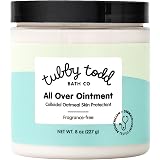
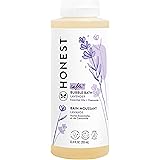
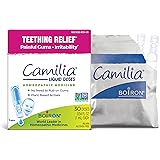
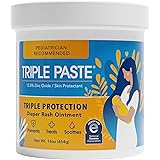
Are you seeking optimal protection for your little one? The brief segment above highlights the critical role of natural baby health and hygiene products. Selecting suitable items is paramount for infant well-being. This discussion delves deeper into thoughtful product choices for babies. We focus on natural efficacy and gentle care.
Understanding Baby’s Delicate Skin
Infant skin is remarkably fragile. Its epidermal barrier is still developing. This makes it highly susceptible to irritants. Baby skin is thinner than adult skin. It also has a higher surface area to volume ratio. This leads to increased absorption of topical agents. Choosing appropriate products is thus non-negotiable.
The Natural Imperative in Baby Care
What defines “natural” in baby products? Generally, it means ingredients derived from plants or minerals. These components undergo minimal processing. They avoid synthetic chemicals and harsh additives. Natural formulations often reduce allergy risks. They support the skin’s inherent functions. This gentle approach safeguards delicate infant skin.
Decoding Natural Baby Product Claims
Many brands tout “natural” labels. Scrutiny is always advised. Look beyond marketing buzzwords. Examine ingredient lists carefully. “Natural” does not automatically mean safe. Some natural extracts can still cause reactions. Prioritize products that are transparent. Look for detailed ingredient disclosures.
Key Natural Ingredients for Gentle Baby Hygiene
Effective natural baby health and hygiene products leverage specific ingredients. These components offer proven benefits. They cleanse, moisturize, and protect. They do so without compromising skin integrity.
- Oatmeal Extract: Soothes irritated skin. It is known for anti-inflammatory properties. Oatmeal reinforces the skin barrier.
- Calendula Oil: A potent botanical healer. It reduces redness and inflammation. Calendula promotes skin regeneration.
- Chamomile Extract: Calms sensitive skin. It provides a gentle, soothing effect. Chamomile is often found in sleep-aid products.
- Shea Butter: An excellent emollient. It deeply moisturizes and protects. Shea butter forms a breathable barrier.
- Aloe Vera: Hydrates and cools the skin. It offers mild antiseptic qualities. Aloe vera aids in minor skin recovery.
- Plant-Derived Glycerin: A natural humectant. It draws moisture into the skin. Glycerin keeps skin soft and pliable.
These ingredients work synergistically. They maintain the baby’s skin health. They support the natural microbiome. This balance is crucial for protection.
Effective Germ Protection Without Harsh Chemicals
Parents seek effective germ protection. Harsh chemicals are often associated with this. However, natural baby health and hygiene products can fight germs. They achieve this using gentler mechanisms. Certain natural compounds possess antimicrobial properties.
- Tea Tree Oil (Diluted): Known for antibacterial action. It is effective against various pathogens. Ensure proper dilution for infants.
- Witch Hazel: A natural astringent. It helps cleanse and tone skin. Witch hazel also has mild antimicrobial effects.
- Citric Acid (from fruits): Adjusts pH levels. It inhibits bacterial growth. Citric acid maintains skin’s acidic mantle.
These ingredients provide defense. They target harmful microbes effectively. Yet, they avoid harsh drying agents. They protect the skin’s delicate barrier. Always ensure products are dermatologically tested. Opt for hypoallergenic formulations. These ensure maximum safety and comfort.
Navigating Product Labels: What to Look For
Choosing natural baby health and hygiene products requires diligence. Understanding labels is key. Parents must become informed consumers. This empowers better decisions.
Essential Certifications and Claims
Look for specific certifications. These denote adherence to standards. Labels like “USDA Organic” or “Ecocert” are reputable. “Dermatologist-tested” indicates skin safety. “Hypoallergenic” suggests reduced allergen risk. “Fragrance-free” is also crucial. Synthetic fragrances often irritate sensitive skin.
Ingredients to Avoid
Several ingredients pose risks to infants. These are commonly found in conventional products. Parents should actively shun them. Phthalates, parabens, and sulfates are prime examples. Formaldehyde-releasing preservatives are also concerning. Artificial dyes and synthetic perfumes can cause irritation. These chemicals disrupt the skin barrier. They can lead to sensitization issues. Always check for these hidden dangers. Prioritize purity and simplicity.
A Holistic Approach to Infant Wellness
Natural baby health and hygiene extend beyond product choices. It encompasses a broader lifestyle. Proper nutrition supports skin health. Adequate hydration is also vital. A clean home environment reduces germ exposure. Soft clothing prevents skin friction. Limiting prolonged moisture exposure is key. Diaper changes should be frequent. These practices complement product usage. They create a nurturing environment. This holistic view ensures optimal development. It promotes lasting health for your child.
Embracing natural baby health and hygiene products provides peace of mind. You equip your child with the best defense. These carefully chosen products protect delicate skin. They promote robust well-being. This commitment to natural care supports their future health.
Natural Care for Your Little Angel: Your Questions Answered
Why is it important to use special products for baby skin?
Baby skin is very delicate, thinner than adult skin, and its protective barrier is still developing. This makes it more susceptible to irritants and more absorbent, so special products are needed for gentle care.
What does the term ‘natural’ mean for baby products?
For baby products, ‘natural’ typically means ingredients are derived from plants or minerals and undergo minimal processing. These products aim to avoid synthetic chemicals and harsh additives.
What are some beneficial natural ingredients to look for in baby care products?
Good natural ingredients to look for include oatmeal extract, calendula oil, shea butter, aloe vera, and plant-derived glycerin. These help soothe, moisturize, and protect a baby’s delicate skin.
Can natural baby products effectively protect against germs without harsh chemicals?
Yes, certain natural compounds like diluted tea tree oil, witch hazel, and citric acid possess antimicrobial properties. These ingredients can help fight germs while being gentler on a baby’s skin barrier.
What ingredients should I avoid when choosing baby products?
You should avoid ingredients like phthalates, parabens, sulfates, formaldehyde-releasing preservatives, artificial dyes, and synthetic perfumes. These can irritate sensitive skin and disrupt its natural barrier.