The gentle cooing and playful giggles captured in the video above beautifully illustrate the precious, delicate world of a baby. However, beneath this heartwarming surface lies a common concern for many parents: how to effectively protect their “little angel” from the myriad of germs without exposing them to harsh chemicals. This challenge often leads new parents to question whether everyday household products, designed for adults, are truly safe for their infants.
Consequently, the solution lies in embracing products specifically formulated for babies, focusing on natural ingredients that are tough on germs yet incredibly gentle on sensitive skin. Prioritizing proper baby health and hygiene involves making informed choices, ensuring your child receives the special care they inherently need.
The Unique Needs of Infant Skin
A baby’s skin is remarkably different from an adult’s, making it far more susceptible to irritation and environmental stressors. This distinction is crucial when selecting any product that comes into contact with their delicate bodies.
Why Adult Products Don’t Work
As the video subtly highlights, products formulated for adults, such as detergents and hygiene items, are simply not suitable for infants. An adult’s skin, a robust shield, boasts a thicker epidermis and a more acidic pH level, typically ranging from 4.5 to 5.5. In contrast, a baby’s skin is approximately 20-30% thinner, and its pH is closer to neutral, making it less resilient to external aggressors.
To draw an analogy, imagine using an industrial-strength cleaner, designed for tough stains, on a delicate silk garment. While effective on the intended surface, it would irrevocably damage the silk. Similarly, adult products often contain stronger surfactants, fragrances, dyes, and preservatives that can strip a baby’s natural oils, leading to dryness, rashes, and discomfort.
The Delicate Skin Barrier
The stratum corneum, the outermost layer of the skin, acts as a critical barrier, protecting the body from moisture loss and penetration by irritants and microorganisms. For babies, this essential skin barrier is still developing, making it less efficient at regulating temperature and warding off environmental threats.
Furthermore, harsh chemicals found in adult products can easily compromise this nascent barrier, creating microscopic openings that allow allergens and bacteria to enter. Consequently, choosing products that support, rather than disrupt, this vital protective layer is paramount for infant well-being.
Choosing Natural Baby Products for Optimal Care
The call for “natural products” for babies is not merely a trend; it reflects a deep understanding of infant physiology and a commitment to nurturing their health gently. Selecting the right products is a cornerstone of effective baby health and hygiene.
What Makes a Product “Natural”?
When we refer to “natural” baby products, we generally mean formulations primarily derived from plant-based ingredients, free from artificial fragrances, harsh chemicals, parabens, phthalates, sulfates, and synthetic dyes. These products aim to work in harmony with a baby’s developing system, rather than introducing potential irritants.
Consider the comparison between preparing baby food with fresh, organic ingredients versus relying on highly processed, additive-laden meals. The former prioritizes purity and nutrition; the latter, convenience often at the expense of natural goodness. Similarly, natural baby products prioritize ingredients that are intrinsically gentle and beneficial for delicate skin.
Benefits of Gentle, Natural Ingredients
Natural ingredients offer a plethora of benefits for sensitive infant skin. For example, aloe vera is renowned for its soothing and moisturizing properties, effectively calming irritated skin. Chamomile, a gentle botanical, possesses anti-inflammatory qualities, helping to reduce redness and discomfort.
Moreover, ingredients like shea butter and oat extract are excellent emollients, providing deep hydration and reinforcing the skin’s natural barrier. These components support healthy skin development without introducing the risks associated with synthetic additives, making them ideal for consistent baby health and hygiene.
Navigating Product Labels
Deciphering product labels can be daunting, but a few key indicators can guide your choices. Always look for terms such as “hypoallergenic,” meaning the product is formulated to minimize allergic reactions. “Pediatrician-tested” signifies that the product has been reviewed by child health experts, although this does not always guarantee safety for every child.
Additionally, “tear-free” formulations are crucial for bath time, preventing eye irritation. Products that are “pH-balanced” are designed to match the natural acidity of a baby’s skin, helping to preserve its protective barrier. Prioritizing transparency in ingredient lists is also vital; the shorter and more recognizable the list, the better.
Essential Hygiene Practices for Infants
Beyond product selection, establishing consistent and appropriate hygiene routines is fundamental to maintaining your baby’s health and preventing common ailments. These practices form the backbone of excellent baby health and hygiene.
Bathing Routines and Gentle Cleansing
Bathing a newborn doesn’t need to be an everyday affair; two to three times a week is often sufficient, especially before the umbilical cord stump falls off. For older infants, a daily bath can become a relaxing part of their routine. Ensure the water temperature is comfortably warm, not hot, testing it with your elbow or wrist. Utilizing a gentle, natural baby wash, specifically designed for sensitive skin, helps to cleanse without stripping essential oils.
After bathing, gently pat your baby dry with a soft towel, paying particular attention to skin folds, as moisture trapped in these areas can lead to irritation. Following up with a natural, unscented moisturizer helps to lock in hydration and maintain skin suppleness.
Diaper Care and Changing
Frequent diaper changes are arguably one of the most critical aspects of infant hygiene. Wet or soiled diapers create a moist, warm environment perfect for bacterial growth, often leading to diaper rash. Change diapers promptly, aiming for every 2-3 hours for newborns, and immediately after bowel movements.
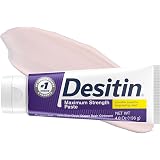
When cleaning, use gentle, natural baby wipes that are fragrance-free and alcohol-free, or simply warm water and a soft cloth. Apply a protective barrier cream, rich in zinc oxide or petroleum jelly, at each change to create a shield between the baby’s skin and moisture. This proactive approach significantly reduces the incidence of diaper rash.
Oral Hygiene: Starting Early
Oral hygiene begins even before the first tooth emerges. After feedings, gently wipe your baby’s gums with a clean, damp gauze pad or a soft infant toothbrush designed for gums. This practice removes milk residue and bacteria, setting the stage for healthy dental habits.
Once teeth appear, transition to a soft-bristled infant toothbrush and a tiny smear of fluoride-free baby toothpaste. Regular cleaning prevents plaque buildup and establishes a foundation for lifelong oral health, making it an integral part of comprehensive baby health and hygiene.
Hand Hygiene for Caregivers
Perhaps the simplest yet most effective measure to protect your baby from germs is meticulous hand hygiene for all caregivers. Before handling your baby, preparing bottles, or changing diapers, thoroughly wash your hands with soap and water for at least 20 seconds. If soap and water are unavailable, use an alcohol-based hand sanitizer with at least 60% alcohol.
Infants have developing immune systems, rendering them more vulnerable to infections. Consequently, caregivers acting as the first line of defense through proper hand washing can significantly reduce the transmission of bacteria and viruses, thereby safeguarding the baby’s health.
Ensuring Germ Protection Without Harshness
The balance between robust germ protection and gentle care is a central theme in effective baby health and hygiene. Parents desire products that can tackle harmful microorganisms without compromising the baby’s delicate skin.
Balancing Cleanliness and Immune Development
While the video emphasizes being “tough on germs,” it also underscores the need for “little extra care.” This highlights a crucial balance. Natural baby products, when chosen wisely, can provide effective germ deterrence without stripping the skin’s natural oils or introducing irritants that could potentially weaken the skin’s barrier over time. It’s like building a strong, secure fence around a precious garden rather than dousing it with a harsh herbicide. The goal is protection, not eradication at all costs.
Exposing babies to a reasonable amount of everyday microbes, not harmful pathogens, also plays a role in the development of their immune system. Therefore, the aim is smart hygiene – targeting harmful germs in critical areas while supporting the baby’s natural defenses.
Environmental Hygiene
A baby’s immediate environment significantly impacts their health. Regularly cleaning and sanitizing surfaces, especially those frequently touched by the baby or caregivers, is essential. Opt for natural, non-toxic household cleaners to avoid exposing your baby to chemical fumes or residues.
Furthermore, toys, especially those that frequently go into a baby’s mouth, require regular cleaning. A mild soap and water solution, followed by thorough rinsing and drying, or specialized baby-safe sanitizers, can effectively eliminate germs. This holistic approach ensures the baby’s surroundings contribute positively to their overall baby health and hygiene.
Supporting Your Baby’s Holistic Health
Ultimately, the journey of parenting involves providing a comprehensive environment for a baby’s growth and development. Prioritizing natural approaches in baby health and hygiene extends beyond just products; it’s a philosophy that champions safety, gentleness, and efficacy.
Making informed decisions about the products you use and the routines you establish contributes immensely to your baby’s physical comfort and overall well-being. It is about offering that “little extra care” in every choice, from bath time to diaper changes, ensuring every interaction supports their sensitive system. Embracing these principles ensures optimal baby health and hygiene, providing peace of mind for loving caregivers.
Natural Care for Your Little Angel: Questions Answered
Why shouldn’t I use adult products on my baby?
A baby’s skin is much thinner and more sensitive than an adult’s, making it easily irritated by the stronger chemicals, fragrances, and dyes found in adult products.
What does ‘natural’ mean for baby products?
‘Natural’ baby products are usually made from plant-based ingredients and are free from harsh chemicals, artificial fragrances, parabens, phthalates, sulfates, and synthetic dyes.
What should I look for on baby product labels?
Look for terms like ‘hypoallergenic,’ ‘pediatrician-tested,’ ‘tear-free,’ and ‘pH-balanced’ to ensure the product is gentle and suitable for a baby’s delicate skin.
How often should I bathe my newborn?
Newborns only need to be bathed two to three times a week, especially before their umbilical cord stump falls off. Older infants can have a daily bath as part of their routine.
Why is it important for caregivers to wash their hands often?
Caregivers’ clean hands are the first defense against germs for babies, who have developing immune systems, helping to prevent the spread of bacteria and viruses.