As expectant parents approach the thrilling final weeks of pregnancy, a profound sense of preparation often takes hold. Indeed, at 33 weeks, the journey into parenthood transitions from anticipation to active nesting, marking a crucial phase for readying your home and mind for your baby’s arrival. The video above beautifully illustrates this energetic process, showcasing the meticulous organization and assembly required to welcome a new life.
For many future parents, the third trimester brings a powerful instinct to organize and optimize every corner of the home. This period is not merely about tidying; it is about creating a functional, safe, and nurturing environment for your newborn. From strategic nursery organization to the careful assembly of essential baby gear, each task contributes to a smoother transition into your new role.
The Countdown to Parenthood: Mastering Baby Nesting at 33 Weeks
Reaching the 33-week mark signals that the arrival of your little one is truly imminent. This phase, often affectionately termed “nesting,” empowers expectant parents to channel their excitement into productive preparation. While the video highlights specific tasks, the underlying principle is to establish systems that will simplify daily routines once your baby is here. Prioritizing tasks now, such as setting up the nursery and assembling vital equipment, significantly reduces stress in the postpartum period.
Optimizing Your Nursery Dresser for Efficiency
A well-organized nursery dresser is not merely aesthetically pleasing; it is a cornerstone of efficiency, especially in compact spaces. As demonstrated in the video, where the dresser doubles as a changing station, maximizing every inch becomes paramount. This approach ensures that everything you need for diaper changes and daily dressing is within arm’s reach, making those frequent tasks less cumbersome.
Strategic Baby Clothes Organization by Size
One of the initial challenges in nursery organization is managing the influx of baby clothes. Babies grow rapidly, often transitioning through sizes quicker than anticipated. Consequently, organizing by size is a practical strategy. Begin by sorting clothes into categories: newborn, 0-3 months, 3-6 months, and larger sizes. Store only the immediately relevant sizes in the primary dresser drawers. For future sizes, consider using vacuum-sealed bags or clearly labeled bins stored elsewhere, such as under the crib or in a closet outside the nursery, to save precious dresser space. This methodical approach ensures you always have the right size on hand without cluttering your primary storage.
Essential Diaper and Toiletry Station Setup
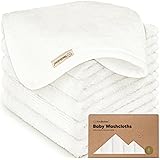
The changing station is arguably the most frequently used area in a nursery. Therefore, its setup demands thoughtful planning. Stocking the top drawer or a designated caddy with newborn diapers, wipes, diaper cream, and any other immediate toiletry essentials (like a thermometer or pacifiers) is critical. The video showcases a convenient weighted wipe dispenser and a removable changing topper, illustrating how these features can enhance functionality. Furthermore, considering items like washcloths or small towels for bath time in an accessible drawer can streamline your post-bath routine. Choose containers and dividers that precisely fit your drawers, preventing items from shifting and creating disarray.
Leveraging Organizational Tools for Small Spaces
In smaller nurseries or rooms without a closet, every organizational tool must work twice as hard. Drawer dividers, like the adjustable ones shown in the video, are invaluable for creating custom compartments within existing furniture. Fabric bins with zippers offer flexible storage for smaller items like socks, mittens, or bibs. While a label maker might seem “extra,” its utility in quickly identifying contents cannot be overstated, especially when you are sleep-deprived. Maximizing vertical space with over-the-door racks for diaper bags, carriers, or nursing covers can also free up valuable floor and drawer space. For items not needed immediately, such as larger clothes or extra blankets, consider a dedicated storage bin kept out of the main nursery area.
Assembling Essential Baby Gear with Confidence
Beyond organizing the nursery, the weeks leading up to birth often involve assembling a variety of baby gear. This ranges from monitors and sound machines to larger items like swings and car seats. Each item plays a role in your baby’s comfort, safety, and your peace of mind as new parents.
Demystifying Baby Sterilization: Best Practices for Bottles and Pacifiers
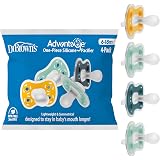
Sterilizing baby items is a fundamental step for newborn health. While the speaker in the video touches upon the common concern regarding how long items remain sterile, it is essential to understand the guidance. Generally, for healthy, full-term babies, rigorous sterilization (like boiling or using a dedicated sterilizer) is most critical during the first few months of life or if your baby has a compromised immune system. After initial sterilization, daily cleaning with hot, soapy water is usually sufficient. If you sterilize items in advance, store them immediately in a clean, enclosed container to maintain their sterility. Most experts suggest that items can remain sterile for up to 24-48 hours if stored properly. However, if an item is exposed to air or handled, it should be re-sterilized before use, particularly for very young infants. Different methods include steam sterilizers, boiling water, and UV sterilizers, each offering varying levels of convenience and time commitment.
Setting Up Your Baby Monitor and Sound Machine for Peace of Mind
A baby monitor and sound machine are indispensable tools for new parents, offering both security and a conducive sleep environment. The Nanit monitor, with its floor mount, exemplifies advanced monitoring solutions that track sleep patterns and offer high-definition viewing. When installing your monitor, ensure it is securely mounted and positioned to provide a clear view of the crib, keeping cords well out of reach of curious hands. The Hatch sound machine, a popular choice, offers various white noise options, including soothing womb-like sounds, and can double as a nightlight. White noise is often recommended to help babies sleep by mimicking the sounds they heard in the womb and masking household noises. Integrating these devices into your bedroom initially, as shown, can be beneficial for nighttime feedings and shared sleep spaces.
Selecting and Assembling Key Comfort Items: Swings and Carriers
Baby swings and carriers are excellent tools for soothing and transporting your baby, respectively. The Maxi-Cosi swing, highlighted in the video, demonstrates how modern swings offer features like multiple speed settings and recline options, catering to different infant needs. Always check the manufacturer’s recommendations for age and weight limits for any comfort item. Many swings are suitable from birth, while others require babies to have better head control. When assembling these items, meticulously follow the instructions to ensure safety and stability. Baby carriers, such as the Artipopp and Solly Baby wrap mentioned, provide close contact and can be incredibly helpful for bonding and hands-free mobility. Practicing with carriers before the baby arrives can build confidence in their use.
Beyond the Basics: Practical Tips for Expectant Parents
As you delve deeper into baby prep, remember that every family’s journey is unique. While the video offers a fantastic blueprint, adapting strategies to fit your specific needs and preferences is key to feeling truly ready for your baby’s grand entrance.
Maximizing Space in a Compact Nursery
For those navigating a tiny nursery or a room without a dedicated closet, maximizing every square inch is crucial. Consider multi-functional furniture, such as a crib with built-in drawers or a dresser that seamlessly transitions into a changing station. Vertical storage, like floating shelves or wall-mounted baskets, can hold books, small toys, or decorative items without taking up floor space. When selecting furniture, opt for pieces with sleek designs and minimal bulk. Furthermore, a thorough decluttering process before baby’s arrival creates a sense of calm and makes the space feel larger and more manageable. Remember, the goal is functionality and comfort, not necessarily filling every corner with baby items.
Navigating Product Choices: Diapers, Dressers, and More
The market for baby products is vast, making decisions daunting for new parents. The video’s discussion of Coterie diapers offers insight into premium options. When choosing diapers, consider factors such as absorbency, materials (eco-friendly, hypoallergenic), and fit. While premium brands may come with a higher price tag, their quality and potential benefits for sensitive skin might justify the investment for some families. Similarly, for larger purchases like dressers, evaluate durability, safety features (e.g., anti-tipping kits), and the potential for long-term use beyond the baby stage. A removable changing topper, as featured, significantly extends the furniture’s lifespan. Always research reviews and consider your personal values and budget when making these significant choices.
The Emotional Side of Nesting: Embracing the Third Trimester
The act of baby nesting is deeply rooted in evolutionary instincts, preparing the home for a new arrival. However, it is also a profoundly emotional period. The physical demands of pregnancy combined with the mental load of preparation can lead to feelings of overwhelm. It is perfectly normal for tasks to take longer than anticipated, as the speaker candidly shares about organizing the dresser. Celebrate small victories, ask for help from partners or friends, and prioritize self-care. Use this time to bond with your partner over shared preparations and visualize the exciting future ahead. Embracing the third trimester as a period of purposeful creation can transform the anxieties of impending parenthood into a journey of joyful anticipation and readiness.
Feathering the Nest: Your Q&A Guide
What is ‘baby nesting’ during pregnancy?
Baby nesting is a common instinct during the final weeks of pregnancy where expectant parents feel a strong urge to prepare their home for the baby’s arrival. It involves organizing, cleaning, and setting up the nursery to create a safe and functional environment.
Why is it important to organize the nursery dresser?
Organizing the nursery dresser is crucial for efficiency, especially in smaller spaces. It ensures that essential items like diapers, wipes, and clothes are easily accessible, making frequent tasks like diaper changes quicker and less stressful.
How should I organize baby clothes in the nursery?
It’s best to organize baby clothes by size, sorting them into categories like newborn, 0-3 months, and 3-6 months. Keep only the sizes your baby will wear soon in the main dresser drawers, storing larger sizes elsewhere to save space.
Do I need to sterilize baby bottles and pacifiers?
Yes, sterilizing baby bottles and pacifiers is fundamental for newborn health, especially during the first few months of life. After initial sterilization, daily cleaning with hot, soapy water is usually sufficient for healthy babies.
What are baby monitors and sound machines used for?
Baby monitors provide security by allowing parents to see and hear their baby, often tracking sleep patterns. Sound machines, like white noise, help babies sleep by mimicking womb sounds and masking household noises, creating a calm sleep environment.