Navigating the world of newborn skin care can feel overwhelming for many parents, especially with a wealth of traditional advice conflicting with modern medical recommendations. As discussed in the insightful video above by Dr. Garima Singh, a board-certified dermatologist, distinguishing between time-honored practices and scientific facts is crucial for your baby’s delicate skin health. This comprehensive guide expands on those vital insights, providing detailed, expert-backed information to help you nurture your infant’s skin safely and effectively.
Navigating Newborn Bathing: Frequency and Best Practices
One of the most frequently asked questions revolves around bathing frequency for newborns. Contrary to popular belief, daily bathing is generally unnecessary and can sometimes be detrimental for infants. A baby’s skin barrier is still developing, making it highly susceptible to dryness and irritation from frequent exposure to water and soaps.
Most pediatric dermatologists recommend bathing newborns only two to three times per week during their initial months. On non-bath days, gentle sponging with lukewarm water is perfectly adequate for keeping your baby clean. This targeted cleaning focuses on areas prone to accumulating dirt or sweat, such as the face, neck folds, and diaper region, without stripping essential oils from their entire body. Always use lukewarm water for bathing and sponging, ensuring the environment is comfortably warm to prevent chills. Keep bath times short, typically no longer than five to ten minutes, to minimize skin dehydration and maintain the skin’s natural moisture barrier.
Selecting Safe Cleansers and Moisturizers for Delicate Skin
Choosing appropriate newborn skin care products is paramount, given the skin’s extreme sensitivity. The market is saturated with options, but not all are created equal or suitable for an infant’s developing epidermis. Parents must exercise caution and prioritize specific product attributes to ensure safety and effectiveness for their baby.
When selecting cleansers and moisturizers, always look for products explicitly labeled as “hypoallergenic,” “fragrance-free,” “alcohol-free,” and “paraben-free.” Hypoallergenic products are formulated to minimize the risk of allergic reactions, while fragrance-free options avoid potential irritants often found in synthetic scents. Alcohol can be extremely drying and irritating to a baby’s skin, and parabens, a type of preservative, are best avoided due to potential endocrine disruption concerns. Furthermore, steer clear of products containing artificial colors or harsh sulfates, which can strip natural oils and cause dryness.
A “pH-balanced” product is highly desirable because it helps maintain the skin’s natural acidic mantle, which acts as a protective barrier against environmental aggressors and pathogens. Gentle cleansers that produce minimal foam are typically preferred, as excessive foaming does not equate to better cleaning and can indicate harsh ingredients. After bathing, gently pat your baby’s skin dry and apply a generous amount of a pediatrician-recommended moisturizer to damp skin. This locks in moisture, preventing dryness and supporting the skin’s barrier function. Always prioritize reputable, trusted brands with a proven track record over trending viral products that may lack rigorous testing for infant safety.
Essential Diaper Care and Rash Prevention Strategies
Diaper rash is a ubiquitous concern for parents, primarily stemming from prolonged exposure to wetness, friction, and irritants within the diaper area. Effective newborn skin care around the diaper region hinges on diligent and frequent diaper changes. For newborns, it is advisable to change diapers every two to three hours, even if they do not appear heavily soiled. This proactive approach significantly reduces the time skin spends in a damp, potentially irritating environment, thereby mitigating rash development.
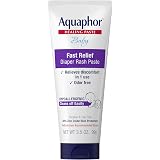
One common, yet outdated, practice is the use of talcum powder for diaper care. Current medical guidelines strongly advise against using talcum powder on babies. The fine particles in talc pose a significant respiratory hazard; infants can easily inhale these particles, leading to potential lung irritation, inflammation, or even more serious respiratory issues. Instead of talcum powder, focus on keeping the area clean and dry, and utilize a protective diaper rash cream. Look for creams containing zinc oxide or petrolatum, as these ingredients create a barrier on the skin, shielding it from moisture and irritants while promoting healing.
Demystifying Baby Wipes and Alternative Cleaning Methods
Baby wipes offer convenience, but their composition matters significantly for sensitive skin. Safe baby wipes are generally water-based, completely alcohol-free, and fragrance-free. Alcohol and artificial fragrances can cause dryness, irritation, and allergic reactions on a baby’s delicate skin, especially in the sensitive diaper area. Always read ingredient labels carefully to ensure these harmful additives are absent from your chosen wipes.
For babies with extremely sensitive skin, existing rashes, or during colder months, consider using cotton pads or soft cloths dipped in lukewarm water as an alternative cleaning method. This traditional approach minimizes exposure to any potential chemical irritants found in wipes, offering a gentle and pure way to cleanse. Cotton square pads moistened with lukewarm water are particularly recommended in winter, as they provide a soothing, warm cleanse without the chilling effect some wipes can have.
Unmasking Common Newborn Skin Care Myths
Generational beliefs often shape newborn skin care practices, but many are unsupported by scientific evidence. Understanding these myths is crucial for adopting truly beneficial routines for your baby. Dispelling these misconceptions can prevent unnecessary anxiety and safeguard your infant’s health.
The Truth About Hair Thickness and Mundan Rituals
A widely held belief in many cultures suggests that performing ‘mundan,’ or the first head shaving ritual, will result in thicker, healthier hair for the baby. Scientifically, this notion is unfounded. A baby’s hair thickness, texture, and growth patterns are almost entirely determined by genetics. Hair follicles, which dictate hair growth, are located beneath the skin’s surface and are unaffected by external shaving. Shaving only removes the visible part of the hair shaft; it does not alter the follicle’s inherent programming. Any perceived change in hair thickness after mundan is merely the natural maturation of the hair, as fine vellus hairs are replaced by thicker terminal hairs, a process that occurs regardless of shaving. Focusing on proper nutrition and general health is far more beneficial for hair development than any external ritual.
Kajal and Fairness Creams: Unnecessary Risks for Infant Eyes and Skin
Another prevalent myth involves applying kajal (kohl) to a baby’s eyes, often believed to ward off evil or enhance beauty. However, kajal, particularly homemade varieties, can contain harmful ingredients such as lead, carbon, or other toxic substances. These can cause serious eye infections, irritation, and even lead poisoning if absorbed through the mucous membranes. Dermatologists and pediatricians strongly advise against using kajal due to these significant health risks. Opting for hypoallergenic, medically approved eye makeup for infants, if absolutely necessary, is the only safe approach, though generally, it is best to avoid it altogether.
Similarly, the use of “fairness creams” or skin-lightening products on babies, driven by societal preferences for lighter skin tones, is not only ineffective but also potentially damaging. A baby’s skin tone is solely determined by their genetic inheritance from their parents, and no topical cream can alter this inherent pigmentation. These creams often contain harsh chemicals, bleaching agents, or steroids that can severely irritate, inflame, or permanently damage a baby’s delicate skin. Such products strip the skin of its natural protective barrier, making it more vulnerable to infections and environmental damage. Prioritizing a good, gentle moisturizer to maintain skin health and hydration is the only beneficial newborn skin care practice for facial skin, irrespective of color.
Understanding Key Ingredients in Newborn Skin Care Products
To make informed decisions, parents should familiarize themselves with key ingredient categories in baby products. Emollients, such as ceramides and fatty acids, help to smooth and soften the skin by filling in the gaps between skin cells. Humectants, like glycerin and hyaluronic acid, attract and bind water to the skin, keeping it hydrated. These components work synergistically to maintain the integrity of the baby’s skin barrier, preventing moisture loss and protecting against external irritants. Understanding these differences empowers parents to select products that genuinely nourish and protect their baby’s developing skin, promoting long-term health and comfort.
Preventing Other Common Newborn Skin Issues
Beyond daily hygiene, parents should be aware of other common newborn skin conditions, understanding that most are benign and temporary. Milia, tiny white bumps on the face, are caused by trapped skin flakes and oil; they usually disappear on their own within a few weeks without intervention. Baby acne, small red bumps, results from maternal hormones stimulating the baby’s oil glands and also typically resolves spontaneously. Cradle cap, characterized by greasy, yellowish scales on the scalp, can be managed with gentle baby shampoo and soft brushing, often clearing up as the baby grows. Eczema, or atopic dermatitis, appears as dry, red, itchy patches and may require specific medical moisturizers or prescribed creams to manage inflammation and discomfort. Monitoring your baby’s skin for any unusual or persistent changes and consulting with a dermatologist ensures prompt and appropriate management for any emerging concerns.
Dermatologist’s Corner: Your Newborn Skin Questions Answered
How often should I bathe my newborn baby?
Newborns generally only need to be bathed two to three times per week during their first few months. Daily bathing can strip essential oils and irritate their delicate skin.
What should I look for when choosing cleansers and moisturizers for my baby?
Choose products that are labeled “hypoallergenic,” “fragrance-free,” “alcohol-free,” “paraben-free,” and “pH-balanced” to protect your baby’s sensitive skin. Avoid products with artificial colors or harsh sulfates.
How can I help prevent diaper rash for my newborn?
Prevent diaper rash by changing your newborn’s diaper frequently, ideally every two to three hours. Also, use a protective diaper rash cream containing zinc oxide or petrolatum to create a barrier on their skin.
Is it safe to use talcum powder on my baby for diaper care?
No, medical guidelines strongly advise against using talcum powder on babies. The fine particles can be easily inhaled, posing a significant respiratory hazard to infants.
Should I use kajal or fairness creams on my baby’s skin or eyes?
It is strongly advised not to use kajal or fairness creams on babies. Kajal can contain harmful substances causing infections, and fairness creams can severely irritate or damage delicate infant skin.