Bringing a newborn home is a profoundly exciting journey, and preparing for their arrival often begins with stocking up on essential supplies. Understanding the variety of newborn and nursery items available, as featured in the video above, is crucial for new parents navigating this exciting, yet sometimes overwhelming, period. Equipping yourself with the right gear ensures comfort, safety, and convenience for both you and your little one, making the transition into parenthood smoother and more enjoyable.
Essential Newborn & Nursery Items for Every New Parent
As you prepare for your baby’s arrival, a comprehensive understanding of what you’ll need is key. From the moment they arrive, infants have specific requirements for feeding, sleeping, hygiene, and safety. This guide expands on the vocabulary presented in the video, delving deeper into the purpose and importance of various baby essentials. Research consistently shows that well-prepared parents experience less stress during the initial weeks, highlighting the value of a thoughtful approach to nursery setup and supply acquisition.
Diapering Essentials: Keeping Baby Clean and Dry
One of the most frequent tasks in newborn care is diaper changing, making these items fundamental. A baby typically uses between 10-12 diapers a day during their first month, underscoring the need for a steady supply. Beyond just diapers, several other items contribute to a hygienic and efficient changing routine.
- Diaper: Whether disposable or cloth, these are the primary absorbent items to manage waste.
- Wet Wipes: Essential for cleaning delicate skin during diaper changes, often chosen for their gentle, hypoallergenic properties.
- Changing Table: A dedicated elevated surface for diaper changes, often with storage, helps save your back and keeps supplies organized.
- Changing Pad: A cushioned, waterproof pad that fits on a changing table or dresser, providing a comfortable and sanitary surface for your baby.
- Safety Pin: Historically used with cloth diapers, these are less common with modern diaper designs but can still be useful for other baby-related tasks.
Feeding Time Must-Haves: Nourishing Your Little One
Feeding is a central part of a newborn’s life, whether you choose breastfeeding or bottle-feeding. Having the right tools on hand can make feeding times more relaxed and effective. The American Academy of Pediatrics recommends exclusive breastfeeding for the first six months, but acknowledges that circumstances vary, making bottle-feeding supplies equally important for many families.
- Bottle: Indispensable for formula-fed babies or for breastfed babies receiving pumped milk. A variety of nipple shapes and flow rates are available to suit different preferences.
- Bottle Warmer: Safely and quickly warms breast milk or formula to a comfortable temperature for the baby, avoiding the dangers of microwave heating.
- Baby Food: While not for newborns, this becomes essential as babies transition to solids around 4-6 months, starting with purees.
- Bib: Prevents messes during feeding, protecting clothing from spills and spit-up.
- Breast Pump: Allows breastfeeding mothers to express and store milk, providing flexibility and allowing others to feed the baby. Studies indicate that breast pump use can significantly extend breastfeeding duration for working mothers.
- Nursing Bra: Designed for easy access during breastfeeding, offering comfort and support for new mothers.
- Nursing Pillow: Provides ergonomic support for both mother and baby during feeding, reducing strain on the back and arms.
Sleep and Comfort Solutions: Rest for Baby and Parents
Newborns sleep a significant portion of the day, making a safe and comfortable sleep environment paramount. Creating a peaceful nursery fosters healthy sleep patterns, which are vital for infant development. The CDC emphasizes “Safe Sleep” practices, including placing babies on their backs in a crib or bassinet without loose bedding.
- Crib: The primary long-term sleeping space for an infant, designed with safety rails and a firm mattress.
- Bassinet: A smaller, portable sleeping option ideal for newborns, often used in the parents’ room for the first few months.
- Mobile: A decorative and stimulating toy hung above a crib, providing visual interest and often playing soothing music to aid sleep.
- Blanket: Used for swaddling (safely only for newborns) or for warmth during supervised awake times; loose blankets are generally not recommended in the crib with a sleeping baby.
- Night Light: Provides a soft glow for nighttime feedings and diaper changes without fully waking the baby or parent.
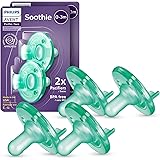
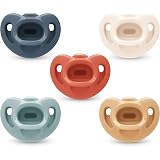
- Pacifier: Can help soothe babies and is associated with a reduced risk of SIDS when used during sleep.
- Rocking Chair: A classic nursery item, perfect for comforting, feeding, or just cuddling your baby.
- Stuffed Animal: A soft, comforting companion for older babies and toddlers, though generally not recommended in the crib for newborns due to SIDS risk.
- Teddy Bear: A specific type of stuffed animal, often a beloved first toy and keepsake.
Bathing and Hygiene Necessities: Keeping Baby Squeaky Clean
Bath time is more than just about cleanliness; it’s also a bonding experience. Having the right tools ensures a safe and enjoyable routine. According to pediatric guidelines, newborns don’t need daily baths; 2-3 times a week is often sufficient.
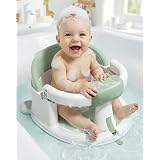
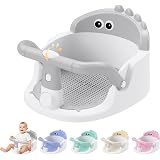
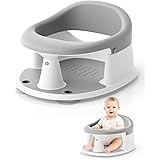
- Bathtub: A small, infant-specific tub designed to fit within a larger tub or on a counter, providing support and safety for slippery babies.
- Rubber Ducky: A classic bath toy that adds fun to bath time as babies get older.
- Baby Lotion: Gentle moisturizer specifically formulated for sensitive baby skin, helping to prevent dryness.
- Baby Powder: Can help absorb moisture and prevent chafing in diaper areas, though cornstarch-based options are often preferred over talc.
- Thermometer: Essential for monitoring your baby’s temperature, particularly when they are unwell.
Travel and Safety Gear: On the Go and At Home
Ensuring your baby’s safety, whether at home or traveling, is paramount. From the first car ride home, specific safety gear is non-negotiable. Traffic safety organizations consistently highlight car seats as life-saving devices, significantly reducing injury risk in accidents.
- Stroller: A wheeled vehicle for transporting infants and young children, essential for walks and outings.
- Carrier: Worn by the parent, it allows for hands-free carrying of the baby close to the body, promoting bonding.
- Car Seat: Absolutely critical for safe travel in a vehicle, legally required from birth, and designed specifically for an infant’s size and weight.
- Floor Seat: A supportive seat for babies who can hold their head up, allowing them to sit upright and interact with their surroundings safely.
- Baby Monitor: Allows parents to hear or see their baby from another room, providing peace of mind and flexibility.
Playtime and Development Toys: Engaging Little Minds
Play is a crucial component of a baby’s development, stimulating their senses and encouraging cognitive and motor skills. Even simple toys can provide significant developmental benefits. Early interaction and play are linked to better language and problem-solving skills later in life.
- Blocks: Soft, large blocks are great for sensory exploration for younger babies and stacking for older ones, developing fine motor skills.
- Rattle: A classic infant toy that provides auditory stimulation and helps develop grasping reflexes.
- Doll: Soft dolls are gentle for baby’s hands and can be introduced early for tactile exploration, later fostering imaginative play.
- Toy Chest: A storage solution to keep all those delightful toys organized and tidy in the nursery.
- Playpen: A safe, enclosed space where baby can play independently under supervision, or simply relax.
Nursery Setup and Organization: Creating Baby’s Haven
Designing a functional and inviting nursery provides a dedicated space for your baby and simplifies daily routines. Organization is key to managing the numerous items that come with a new baby. A well-organized nursery can save precious time and reduce parental stress.
- Carpet: Adds warmth and cushioning to the nursery, providing a soft surface for playtime.
- Beanie: A soft hat for newborns, especially useful for keeping them warm in cooler environments, though often removed once indoors.
- Baby Plastic Hangers: Smaller hangers designed to fit tiny baby clothes, helping to organize the closet.
- High Chair: An essential piece of furniture for feeding solids once your baby is old enough to sit up unassisted, typically around 6 months.
- Swing: Offers a soothing motion that can calm fussy babies and provide a safe place for them to relax.
- Potty: For older toddlers, this is a crucial item when beginning the potty training journey.
Navigating the world of newborn and nursery items can seem daunting, but by understanding the purpose of each essential, you can build a nurturing and functional environment for your little one. This comprehensive guide, complementing the visual aid in the video, provides a robust foundation for preparing for your baby’s arrival, ensuring you have all the necessary newborn and nursery items at your fingertips.
Ask the Nursery: Your Q&A on Baby Supplies and English Vocabulary
What is this guide about?
This guide helps new parents and ESL learners understand common English words for essential newborn and nursery items needed for a baby’s arrival.
Why is it important to prepare for a newborn’s arrival?
Preparing for a newborn ensures comfort, safety, and convenience for both the baby and parents. It can also help new parents feel less stressed during the initial weeks.
What kind of items do new parents need for a baby?
New parents need items for various categories, including diapering, feeding, sleeping, bathing, safe travel, playtime, and setting up the baby’s nursery.
What are some key items for changing a baby’s diaper?
For diaper changes, you will primarily need diapers and wet wipes. A changing table with a changing pad can also make the process easier and more hygienic.
Why is a car seat important for a new baby?
A car seat is absolutely critical and legally required for safe travel in a vehicle from birth. It is specifically designed to protect an infant during car rides.