Witnessing your baby’s first bath, as beautifully depicted in the video above, is a truly special milestone for any new parent. That moment, often filled with a mix of excitement and perhaps a touch of apprehension, marks one of many “firsts” you’ll share with your little one. While the visual journey offers a heartwarming glimpse into this intimate experience, many parents seek detailed guidance and reassurance when it comes to the practicalities of a newborn’s initial plunge. This comprehensive guide aims to complement the visual story, providing a step-by-step approach to ensure your baby’s first bath is not only safe but also a wonderfully bonding experience for both of you.
Understanding When and How to Give Your Baby’s First Bath
One of the most common questions new parents have revolves around timing: When exactly should your baby receive their first full bath? It’s a critical point often debated among well-meaning family and friends, but pediatric recommendations provide clear guidance, especially concerning umbilical cord care.
1. Umbilical Cord Care: The Key to Timing
For newborns, the general recommendation from pediatricians is to wait until the umbilical cord stump has completely fallen off and the area is dry and healed. This typically occurs between one to three weeks after birth. Until then, full immersion baths are usually discouraged to prevent infection and promote proper healing of the cord stump.
2. The Sponge Bath Solution
Before the cord stump heals, a gentle sponge bath is the perfect way to keep your newborn clean and comfortable. This involves:
- Warming the room to a comfortable temperature (around 75-80°F or 24-27°C).
- Gathering all your supplies beforehand.
- Laying your baby on a soft towel on a flat, safe surface.
- Using a soft washcloth dampened with warm water (no soap initially, or a tiny amount of very mild baby wash).
- Gently wiping one section of your baby’s body at a time, keeping the rest covered to prevent chilling.
- Paying special attention to creases, folds, and around the diaper area.
- Avoiding the umbilical cord stump entirely to keep it dry.
Once the cord stump has fallen off, and the naval area looks fully healed, you can transition to a proper tub bath. This usually happens around two to four weeks postpartum, but always consult with your pediatrician for personalized advice.
Preparing for Baby’s First Bath: The Essential Checklist
Preparation is paramount to ensuring a smooth, safe, and enjoyable experience for your baby’s first bath. Having everything within arm’s reach means you never have to leave your baby unattended, even for a second.
1. Gather Your Supplies
Before you even think about filling the tub, lay out all your necessities:
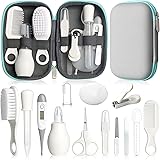
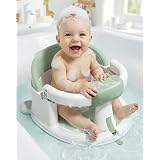
- Baby Bathtub: A small, non-slip infant tub is ideal. It provides a secure, ergonomic space for your newborn.
- Soft Towels: Have two ready – one to lay your baby on after the bath, and a hooded towel for wrapping them warmly.
- Soft Washcloths: Several small, soft cloths are useful for gentle washing.
- Mild Baby Wash & Shampoo: Opt for tear-free, fragrance-free, hypoallergenic products specifically designed for newborns.
- Clean Diaper: Ready for immediate diapering post-bath.
- Fresh Clothes or Sleepwear: To dress your baby after they’re dry.
- Cotton Balls or Soft Pads: For cleaning around the eyes and face if preferred.
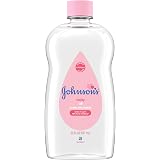
- Baby Lotion or Oil (optional): If your baby has dry skin, a fragrance-free lotion can be applied.
2. Set the Scene: Warmth and Safety
The environment plays a huge role in making bath time comfortable. Here’s how to create the ideal setting:
- Warm Room Temperature: Ensure the bathroom or bathing area is comfortably warm, around 75-80°F (24-27°C), to prevent your baby from getting chilled.
- Water Temperature: This is critical. The water should be comfortably warm, not hot. Use a bath thermometer to aim for around 98-100°F (37-38°C). If you don’t have a thermometer, test the water with your elbow or the inside of your wrist – it should feel pleasant, not hot or cold. Fill the tub with only about 2-3 inches (5-7 cm) of water for a newborn.
- Non-Slip Surface: Ensure the baby tub is placed on a stable, non-slip surface, like the kitchen counter or inside your adult tub.
- Minimize Distractions: Turn off phones, ensure pets are out of the room, and focus solely on your baby.
A Step-by-Step Guide to Your Newborn’s First Bath
With preparations complete, the exciting part begins. Remember to approach this with confidence and a gentle touch. Your baby will sense your calm demeanor.
1. Gentle Immersion
Carefully undress your baby. Gently place your baby into the tub, feet first, while supporting their head and neck with one hand. Maintain a secure grip, always keeping one hand on your baby. Slowly lower them until their body is submerged in the warm water, leaving their head and face exposed.
2. Washing Their Face and Hair
Begin with your baby’s face. Using a soft, damp washcloth (no soap), gently wipe their eyes from the inner corner outwards. Clean around their nose, mouth, and behind their ears. For their hair, apply a tiny drop of tear-free baby shampoo to your hand, lather it, and gently massage it into their scalp. Rinse by cupping your hand over their forehead to prevent water and soap from running into their eyes, or use a damp washcloth.
3. Cleansing the Body
Using a fresh washcloth and a small amount of mild baby wash, gently clean the rest of your baby’s body. Pay special attention to:
- Neck folds: Milk and lint can accumulate here.
- Under the arms: Another common area for moisture and lint.
- Diaper area: Clean thoroughly, wiping from front to back.
- Genitals: For girls, wipe from front to back. For boys, gently clean around the penis (if uncircumcised, do not retract the foreskin).
- Creases: Don’t forget their chubby leg and arm creases.
Rinse away all soap with the washcloth or by gently pouring clean water over them. Always maintain a firm, yet gentle, grip.
4. Exiting the Tub
Once your baby is clean, carefully lift them out of the tub, supporting their head and neck. Immediately wrap them in a warm, hooded towel. Cuddle them close to help them feel secure and warm.
After the Bath: Drying, Moisturizing, and Dressing
The post-bath routine is just as important for keeping your baby comfortable and preventing skin irritation.
1. Gentle Drying
Pat your baby completely dry, paying close attention to all the skin folds and creases, as trapped moisture can lead to rashes. Avoid vigorous rubbing. The warmth of the towel and your gentle touch will be soothing.
2. Moisturizing (If Needed)
If your baby has dry skin, this is the perfect time to apply a fragrance-free, hypoallergenic baby lotion or oil. Their skin will be most receptive to moisture after a warm bath. A gentle massage can also be a lovely way to extend the bonding experience.
3. Diaper and Dress
Once completely dry and potentially moisturized, put on a fresh diaper and dress your baby in comfortable, clean clothes. Some parents find a brief cuddle time after dressing helps reinforce the positive experience.
Making Baby Bath Time a Joyful Experience
Your baby’s first bath is more than just about hygiene; it’s an opportunity for connection and sensory exploration. Here are some tips to make it a positive ritual:
- Talk and Sing: Use a calm, soothing voice. Sing lullabies or describe what you’re doing. This helps your baby feel secure and engaged.
- Maintain Eye Contact: Looking into your baby’s eyes during bath time strengthens your bond.
- Respond to Cues: If your baby cries or seems distressed, try to identify the cause. Are they cold? Is the water too deep? Is the soap irritating? Adjust as needed. Sometimes, it’s okay to end the bath early and try again another day.
- Keep it Short: Especially for newborns, baths don’t need to be long. A few minutes are usually sufficient to clean them and prevent their skin from drying out.
- Consistency Can Help: Once you establish a routine, bathing at a similar time each day or week can help your baby anticipate and enjoy the experience. Many parents find an evening bath helps signal bedtime.
Remember, the goal of your baby’s first bath, and subsequent baths, is to keep them clean while fostering a sense of comfort and security. It’s a special shared moment, and with these guidelines, you’re well-equipped to make it a wonderful one.
Making a Splash: Your First Bath Questions Answered
When can I give my newborn their first full bath?
You should wait until your baby’s umbilical cord stump has completely fallen off and the area is dry and healed, which typically occurs one to three weeks after birth.
How do I clean my baby before their first full bath?
Before the umbilical cord stump heals, you can give your baby gentle sponge baths. Use a soft, damp washcloth to clean one section of their body at a time, making sure to keep the cord area dry.
What is the correct water temperature for a baby’s bath?
The bath water should be comfortably warm, around 98-100°F (37-38°C). You can test it with your elbow or wrist to ensure it feels pleasant, and only fill the tub with about 2-3 inches of water.
What essential supplies do I need for my baby’s bath time?
You will need a baby bathtub, soft towels, washcloths, mild tear-free baby wash and shampoo, a clean diaper, and fresh clothes. Having everything ready beforehand ensures a smooth and safe experience.