Navigating the world of baby care presents a myriad of challenges and joys, and among the most frequent tasks new parents face is diaper changing. While the video above offers a quick visual cue, mastering the art of putting on a baby’s diaper, especially with a squirming little one, often requires a bit more insight. Simple diaper hacks can transform this everyday chore from a struggle into a smooth, efficient process, ensuring both baby comfort and parent sanity. This guide dives deeper into essential tips and tricks, helping you become a diaper-changing pro.
Mastering the Basic Diaper Change for Your Baby
Understanding the fundamentals is the first step to effortless diaper changes. A well-fitted diaper is crucial for preventing leaks and keeping your baby comfortable. It’s not just about getting the diaper on; it’s about getting it on right. Many parents initially struggle with achieving the perfect snugness without causing discomfort or restricting movement.
When you’re ready for a change, lay your baby on a clean, safe surface. Unfasten the soiled diaper, but don’t remove it immediately. Lift your baby’s legs by the ankles, gently cleaning from front to back. For boys, aim the penis downwards to prevent fountains! For girls, always wipe front to back to avoid spreading bacteria.
Choosing the Right Diaper Size and Type
Selecting the correct diaper size is paramount. Diapers are typically sized by weight, and using a diaper that is too small can lead to painful red marks and inevitable blowouts, while one that’s too large will result in gaps and leaks. Look for snug fits around the legs and waist, allowing the “two-finger rule” – you should be able to slide two fingers comfortably under the waistband.
Beyond size, consider the type of diaper. Disposable diapers offer convenience and high absorbency, often featuring wetness indicators and elastic waistbands for a better fit. Cloth diapers, on the other hand, are an eco-friendly option, providing breathability and reducing exposure to chemicals, though they require more laundry. Experiment with different brands and styles to find what works best for your baby’s skin and your lifestyle.
Advanced Mommy Hacks for Diapering Success
Once you’ve got the basics down, you can explore some clever mommy hacks to make diaper changes even easier and more effective. These aren’t just about speed; they’re about preventing common problems like leaks and rashes, which can cause significant distress for both baby and parent.
1. The “Open and Lay” Technique to Prevent Blowouts
One of the most valuable simple diaper hacks involves preparing for the unexpected. Before you even lift your baby, lay a fresh, open diaper underneath the soiled one. This acts as a barrier, catching any “surprises” that might occur during the cleaning process, especially with a wiggly baby. It significantly reduces the mess and keeps your changing pad cleaner.
This technique is particularly useful during bowel movements. Once you’ve cleaned your baby, you can simply pull the fresh diaper up and fasten it without needing to move your baby much or risk getting mess on the clean surface. It’s a game-changer for quick, hygienic transitions.
2. Preventing Leaks with Proper Diaper Placement
Leaks are a common complaint for parents, but often, they are preventable. After positioning the fresh diaper, ensure the leg cuffs are pulled out and not tucked in. These elasticized barriers are designed to catch liquid and prevent it from escaping, but if they are folded inwards, their effectiveness is compromised.
Pay attention to the waist tabs. They should be fastened symmetrically and snugly, but not so tight that they leave marks. For boys, ensure the penis is pointed down within the diaper to help direct urine into the absorbent core and prevent leaks over the top.
3. Dealing with Wiggly Babies During Changes
As babies grow, they become more active, making diaper changes a true test of agility. To manage a wiggly baby, try distracting them with a special “diaper changing toy” that’s only brought out during this time. A colorful rattle or a soft sensory toy can capture their attention for those crucial moments.
Another technique is to make the experience quicker. Have all your supplies – fresh diaper, wipes, rash cream – within arm’s reach before you begin. Minimize conversation and singing during the change itself, focusing on efficiency. You can always engage and play once the diaper is securely fastened.
Essential Diaper Changing Supplies and Skin Care
Having the right tools is just as important as knowing the right techniques. A well-stocked diaper changing station can save time and prevent frustration, especially during those middle-of-the-night changes. This means more than just diapers and wipes; it includes items for crucial skin care.
Creating a Functional Diaper Changing Station
Your changing station should be practical and safe. Include a soft, wipeable changing pad, ideally with raised sides for safety. Keep a supply of diapers in various sizes if your baby is transitioning. Wipes, either disposable or reusable cloth wipes, are indispensable. Consider a wipe warmer for added comfort during cold months, though it’s not strictly necessary.
Organize your supplies so everything is accessible with one hand. Bins or drawers are perfect for keeping creams, extra clothes, and toys neat and within reach. Never leave your baby unattended on a changing table, even for a second, as falls can happen quickly.
Preventing and Treating Diaper Rash
Diaper rash is a common skin irritation that can make your baby uncomfortable. The best defense is prevention. Change diapers frequently, even if they aren’t heavily soiled, to keep the skin dry. Exposure to wetness is a primary culprit for rash development. When cleaning, pat the area dry instead of rubbing vigorously, which can further irritate delicate skin.
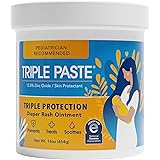
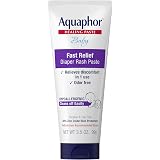
If a rash appears, apply a thick layer of diaper rash cream, such as zinc oxide or petroleum jelly-based products, with each change. These creams create a protective barrier between the skin and wetness. Allow your baby some “naked time” if possible, letting their bottom air out to promote healing. If the rash persists or worsens, consult your pediatrician, as it could be a yeast infection requiring specific medication.
Beyond the Basics: Environmentally Conscious Diapering
For many parents, the environmental impact of diapers is a growing concern. While disposable diapers are convenient, they contribute significantly to landfill waste. Exploring alternative options or modifying disposable diaper use can help reduce your ecological footprint while still keeping your baby clean and dry.
Exploring Cloth Diapering Options
Cloth diapering has evolved significantly from the basic pre-folds and pins of previous generations. Modern cloth diapers come in various styles, including all-in-ones, pocket diapers, and fitteds, making them much easier to use. They are washable and reusable, drastically reducing waste and often saving money in the long run.
While the initial investment for cloth diapers can be higher, they can be used for multiple children. They require a dedicated washing routine, but many parents find the environmental benefits and the soft, breathable materials worth the extra effort. Research different systems to find one that aligns with your family’s needs and values.
Disposing of Diapers Responsibly
Even with disposable diapers, there are ways to minimize their environmental impact. Always dispose of solid waste in the toilet before placing the diaper in the trash. This reduces the amount of human waste entering landfills and prevents odors. Utilize specialized diaper pails with odor-locking technology to contain smells and reduce the need for frequent trash disposal.
Look for brands that offer “eco-friendly” disposable diapers made with more sustainable materials, such as bamboo or plant-based plastics. While these may not be fully compostable, they often have a reduced footprint compared to traditional plastic-heavy options. Every small step towards responsible waste management helps.
Mastering the art of putting on a baby’s diaper effectively is a fundamental skill for any parent. By integrating these simple diaper hacks and understanding the nuances of proper fit, hygiene, and product choice, you can ensure your baby stays comfortable, dry, and happy, making diaper changes a breeze rather than a battle.
Baby’s Bottom Line: Your Diapering Q&A
Why is it important to choose the right size diaper for my baby?
Selecting the correct diaper size is crucial to prevent leaks and ensure your baby’s comfort. An ill-fitting diaper, whether too small or too large, can lead to discomfort or leaks.
How can I tell if a diaper fits my baby properly?
A properly fitted diaper will be snug around the legs and waist, allowing you to comfortably slide two fingers under the waistband. This helps prevent gaps and discomfort.
What is a simple tip to help prevent diaper leaks?
To prevent leaks, always make sure the diaper’s elastic leg cuffs are pulled out and not tucked in, as these barriers are designed to catch liquid.
How can I prevent diaper rash?
Prevent diaper rash by changing diapers frequently to keep skin dry and patting the cleaned area dry gently instead of rubbing. Applying a protective barrier cream can also help.