Navigating the vast world of baby and child skincare products can feel overwhelming. With countless claims and conflicting advice online, it’s easy for parents to fall into a trap of misinformation. As shared by Dr. Dray in the video above, the reality is that effective skincare for children, much like for adults, should be refreshingly simple and minimal.
Understanding the unique biology of a child’s skin is the first step toward building a healthy routine. Their delicate skin barrier, thinner top layer, and underdeveloped protective mechanisms make them more susceptible to irritation and environmental damage compared to adults.
Understanding Your Child’s Unique Skin Needs
A child’s skin is not simply a smaller version of an adult’s; it possesses distinct characteristics that require special care. Key physiological differences contribute to their increased vulnerability, making targeted skincare essential.
The Delicate Skin Barrier and Acid Mantle
The skin barrier, the outermost layer of the skin, acts as a crucial protective shield. In babies and young children, this barrier is still developing, which means it’s less efficient at retaining moisture. They tend to lose water from their skin more quickly, leading to increased dryness and sensitivity.
Furthermore, newborns lack a fully formed acid mantle, the complex acidic milieu that maintains skin hydration and acts as a defense against external irritants and microbes. This vital protective layer doesn’t fully develop until around one month of age. This deficiency makes young infants particularly susceptible to harsh cleansers and soaps, especially those with an alkaline pH (greater than 7), which can easily disrupt this nascent defense system, even more so than in adults.
Thinner Skin and Smaller Cells
Children’s skin is considerably thinner than adult skin. This reduced thickness means that irritants can penetrate more easily, increasing their susceptibility to adverse reactions. Additionally, their skin cells are smaller and contain less natural moisturizing factor (NMF), rendering them more prone to irritation and damage.
Increased Vulnerability to UV Radiation
Another critical difference lies in their reduced ability to defend against ultraviolet (UV) radiation from the sun. Children have smaller melanocytes, the cells responsible for producing skin pigment that offers some natural photoprotection. Coupled with thinner skin, this means they filter UV rays less effectively, amplifying their risk of sun damage.
Such early exposure to UV radiation is not benign; it lays the groundwork for DNA mutations that significantly increase the risk of skin cancer development later in life. Protecting a child’s skin from the sun is not just about preventing sunburns today, but about safeguarding their long-term health.
The Three Pillars of Pediatric Skincare
Given the delicate nature of children’s skin, a minimalist yet effective routine is paramount. A dermatologist-approved approach centers around three core components: a gentle cleanser, a suitable moisturizer, and robust sun protection.
Gentle Cleansing: Why It Matters & How To Do It Right
While some may believe water alone suffices, it often isn’t enough to remove water-insoluble substances, particularly in the diaper area. Urine and feces contain enzymes that are incredibly irritating to a baby’s skin. Additionally, water itself can be irritating, dissolving natural skin lipids and worsening transepidermal water loss.
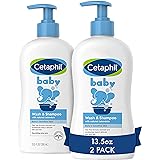
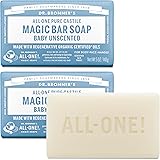
The key to proper cleansing is selecting products with an appropriate pH. Cleansers should ideally have a pH between 5.0 and 6.5, definitely less than 7, to avoid disrupting the skin’s natural acidity. Most cleansers specifically marketed for babies meet this requirement. For instance, reputable options like CeraVe Baby Wash & Shampoo, Eucerin Baby, Cetaphil Baby Soothing Wash (fragrance-free), and Aveeno Baby Cleansing Therapy are excellent choices known for their gentle, barrier-supporting formulations.
Bathing Frequency and Duration
How often a child needs a bath varies by age, activity level, and climate. For very young infants, bathing every two to three days is often adequate, supplemented by spot cleaning soiled areas with a gentle cleanser and a washcloth. Older children might require daily bathing, though this frequency can be reduced during drier winter months.
Regardless of frequency, bath time should be brief, ideally no more than 15 minutes. Prolonged water exposure can lead to increased dryness and irritation. It’s also crucial to avoid bubble baths and heavily scented products, as these often contain fragrances and dyes that can irritate a child’s sensitive skin and potentially trigger allergies or eczema flares.
Mastering Moisturizer Application for Kids
Applying a moisturizer immediately after bathing is a crucial step to counteract the drying effects of water. While the skin is still damp, a good moisturizer helps to lock in hydration, preventing water from evaporating out of the skin. This practice is beneficial for all ages, but especially for children with their more permeable skin barrier.
Selecting a fragrance-free, hypoallergenic moisturizer designed for sensitive skin will help restore the skin barrier and maintain hydration. Consistency in this habit can significantly reduce dryness and irritation, contributing to overall skin health.
Essential Sun Protection for Children’s Delicate Skin
Given children’s heightened susceptibility to UV damage, sun protection is non-negotiable. The sun exposure received in early childhood accumulates, laying the groundwork for skin problems and cancers later in life. Therefore, comprehensive sun protection is perhaps the most critical component of a child’s skincare regimen.
The Superiority of Mineral Sunscreens
For children, mineral sunscreens are the preferred choice. These sunscreens utilize zinc oxide and/or titanium dioxide as active ingredients. These minerals sit on the skin’s surface, creating a physical barrier that reflects UV rays, rather than absorbing them like chemical sunscreens do. This mechanism makes them less likely to cause irritation or sting, particularly around the sensitive eye area.
Always opt for a broad-spectrum mineral sunscreen with an SPF of 30 or higher. “Broad-spectrum” means it protects against both UVA rays (which penetrate deeper and contribute to aging and skin cancer, even through windows) and UVB rays (the primary cause of sunburns and DNA damage).
Beyond Sunscreen: A Multi-Layered Approach
Sunscreen is a vital tool, but it should be part of a broader sun protection strategy. Encouraging sun-safe behaviors from a young age is as important as teaching handwashing or tooth brushing. This includes:
- Protective Clothing: Long-sleeved shirts and pants made from UPF (Ultraviolet Protection Factor) fabric offer excellent defense.
- Broad-Brimmed Hats: These protect the face, ears, and neck, areas often missed by sunscreen.
- Sunglasses: Protect children’s delicate eyes from UV damage, which can lead to cataracts and other eye problems.
- Seeking Shade: Limiting time outdoors during peak sun hours (typically 10 AM to 4 PM) is crucial.
- Awareness of Reflective Surfaces: Surfaces like snow, water, sand, and even shiny car surfaces can reflect and intensify UV radiation, increasing exposure even on cloudy days.
Teaching children how to apply and reapply sunscreen properly instills a lifelong habit of skin protection, a gift that will serve them well into adulthood.
Decoding Ingredient Labels: What to Avoid and Why
The marketing landscape for **skincare for kids** is often filled with fear-mongering and misleading claims. Being an informed consumer means understanding which ingredients genuinely pose a risk and which are simply subject to unfounded apprehension.
Fragrance & Essential Oils
Perhaps the most critical ingredients to avoid in children’s skincare products are fragrance and essential oils. These are common culprits behind skin irritation, sensitization, and inflammation. Fragrance serves no beneficial purpose in skincare other than to mask natural scents or impart a pleasant smell. Given that “nothing smells better than a baby,” there’s no dermatological reason to expose their skin to these unnecessary irritants.
Reading labels carefully is essential, as “fragrance-free” claims aren’t always a guarantee. Many products contain hidden fragrance names that are not immediately obvious. Always check the ingredient list for terms that indicate artificial or natural fragrances.
Preservatives: The Myth vs. The Reality
Preservatives are frequently demonized in skincare marketing, with baseless claims linking them to cancer and other health issues. In reality, preservatives are vital for product safety. They prevent the growth of harmful microbes like bacteria (e.g., Pseudomonas), yeast, and fungi in water-containing products. Without preservatives, a skincare product can quickly become a breeding ground for contaminants, posing a significant risk of skin infections for children.
Contrary to popular fears, preservatives have a long-standing safety track record, with thousands of products used by millions of people daily without evidence of harm to human health. Formulations typically use the lowest effective dosage to minimize potential irritation while ensuring microbial stability. In fact, sensitivities and allergies to preservatives are much less common than those to fragrances.
Sodium Lauryl Sulfate & Sodium Laureth Sulfate (SLS/SLES)
These are common surfactants and detergents found in many cleansing products. While effective at creating lather and removing dirt, SLS and SLES can be irritating to the skin, especially for babies and young children who already have a compromised skin barrier. They can strip natural oils, leading to increased dryness and irritation. Opting for cleansers free of these harsh sulfates can help maintain skin integrity.
Dyes (FDC, DNC)
Synthetic dyes derived from coal tar, such as FDC and DNC colors, are often added to products like bubble baths and scented soaps purely for aesthetic appeal. Like fragrances, they offer no benefit to the skin and are known irritants. Avoiding products with these dyes is another step toward minimizing potential skin sensitivity and irritation in children.
Propylene Glycol
Propylene glycol can function as a humectant or solvent, helping ingredients penetrate the skin. However, it can also be a significant irritant for many individuals, including adults. For children, whose skin barrier is thinner and less developed, the irritation potential is even greater. This ingredient also has a prolonged residence time on the skin, staying for about a week and a half, which can exacerbate irritation over time. It’s an ingredient worth trying to avoid in products intended for sensitive skin.
Chemical Sunscreen Actives
While not inherently dangerous for children, chemical sunscreen ingredients such as avobenzone, octinoxate, octisalate, and homosalate are more likely to cause stinging or irritation than their mineral counterparts. The goal of sun protection is to foster positive habits, and an uncomfortable sensation from sunscreen can create a negative association, making children reluctant to apply it. Choosing mineral sunscreens bypasses this issue, ensuring a more pleasant experience and encouraging consistent use.
Final Thoughts on Simple, Effective Skincare for Children
The journey of fostering healthy skin for your children doesn’t have to be complicated. By focusing on a simple routine of a gentle cleanser, a protective moisturizer, and diligent mineral sunscreen application, you can lay a strong foundation for lifelong skin health. Prioritizing fragrance-free, barrier-supportive products and avoiding common irritants like harsh sulfates and unnecessary dyes simplifies choices and minimizes risks. This commitment to thoughtful **skincare for kids** not only addresses immediate concerns but also instills invaluable habits that will benefit them far beyond childhood.
Dr. Dray’s Q&A: Expert Answers for Delicate Skin
Why is baby skin special and different from adult skin?
A baby’s skin barrier is still developing and is thinner than adult skin, making it more sensitive and prone to losing moisture and irritation. Their protective acid mantle also isn’t fully formed until about one month of age.
What are the three main things I should focus on for my child’s skincare?
The core components of a healthy children’s skincare routine are using a gentle cleanser, applying a suitable moisturizer, and providing robust sun protection.
How often should I bathe my baby or young child?
For very young infants, bathing every two to three days is often enough, while older children might need daily baths. Keep baths brief, ideally no more than 15 minutes, to prevent dryness.
What type of sunscreen is best for children?
Mineral sunscreens are preferred for children because they use zinc oxide and/or titanium dioxide to reflect UV rays, causing less irritation than chemical sunscreens. Always choose a broad-spectrum mineral sunscreen with an SPF of 30 or higher.
What ingredients should I try to avoid in my child’s skincare products?
It’s best to avoid fragrances, essential oils, harsh sulfates (like SLS/SLES), synthetic dyes, and propylene glycol, as these can irritate a child’s delicate skin.