1. Understanding the Infant Skin Barrier
The skin of a newborn baby is markedly different from adult skin. Its stratum corneum, the outermost layer, is thinner and less developed. This immaturity contributes to increased permeability and reduced barrier function. Consequently, external substances are absorbed more readily.
There is also a heightened susceptibility to transepidermal water loss (TEWL). This means baby skin can lose moisture more rapidly. A compromised barrier struggles to retain vital hydration. The infant skin barrier can be likened to a nascent fortress wall. It is still under construction, requiring careful protection and fortification.
2. The Critical Role of pH Balance in Baby Skincare
The concept of pH balance is fundamental to infant skin health. Adult skin typically maintains an acidic pH, ranging from 4.7 to 5.75. Newborn skin, however, often presents with a slightly higher, more neutral pH at birth. This shifts to acidic levels within the first few weeks.
Maintaining an optimal acidic pH, often around 5.5, is crucial. This acidity supports the acid mantle, a protective hydrolipid film. This mantle defends against pathogenic bacteria and environmental irritants. Choosing products with a pH of 5.5 helps preserve this natural defense mechanism. Think of the acid mantle as the ideal soil pH for a delicate plant. The right pH ensures healthy growth and resilience.
3. Gentle Cleansing for Delicate Newborn Skin
Bathing a newborn requires a judicious approach. Over-bathing can strip the skin of its natural oils, exacerbating dryness. Short, lukewarm baths, typically two to three times per week, are often sufficient.
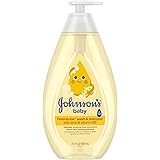
The choice of cleanser is equally critical. Soap-free formulations are highly recommended. Traditional soaps can be alkaline, disrupting the skin’s acidic pH. Look for products labeled “syndet” (synthetic detergent) bars or liquid cleansers. These are designed to be pH-balanced and gentler. Tear-free formulations are also beneficial, as accidental contact with the eyes is common. Harsh sulfates, common in many adult products, should be strictly avoided. These can irritate and dry out sensitive infant skin.
4. Essential Moisturizing Strategies for Infants
Moisturization is a cornerstone of effective newborn skincare. It helps prevent dryness and supports the skin barrier’s function. Regular application of emollients is often advised. Emollients create a protective film on the skin’s surface. This physical barrier minimizes transepidermal water loss. Humectants, another class of moisturizing ingredients, draw water into the skin. Glycerin is a common and effective humectant.
Optimal timing for moisturizer application is directly after a bath. Gently pat the baby’s skin dry, leaving it slightly damp. Then, apply a thin layer of cream or lotion. This helps to seal in the moisture. Consider the moisturizer as a protective cloak. It shields the baby’s skin from environmental harshness, much like a barrier against the elements.
5. Navigating Diaper Area Care with Precision
The diaper area presents unique dermatological challenges. It is an environment characterized by warmth, moisture, and friction. This combination creates an ideal breeding ground for irritants and microbes. Frequent diaper changes are essential for maintaining hygiene. Soiled diapers should be removed promptly. The area should be gently cleansed with water or a mild, fragrance-free wipe.
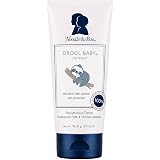
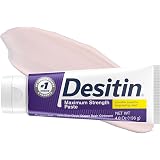
Barrier creams are indispensable in preventing diaper dermatitis. Products containing zinc oxide or petrolatum are highly effective. Zinc oxide forms a physical barrier. It protects the skin from urine and feces. It also possesses mild astringent and antiseptic properties. Apply a generous layer of barrier cream at each diaper change. This creates a defensive layer, much like a shield, preventing irritants from reaching the skin.
6. Ingredient Scrutiny: What to Exclude from Baby Products
Vigilant examination of ingredient lists is paramount for new parents. Certain chemicals, while benign for adults, can be detrimental to infant skin. Artificial fragrances and dyes are common sensitizers. They can trigger allergic reactions or contact dermatitis. Always opt for “fragrance-free” and “dye-free” formulations. “Unscented” products may still contain masking fragrances; “fragrance-free” is the more definitive label.
Parabens, phthalates, and formaldehyde-releasing preservatives should also be avoided. These substances have raised concerns regarding endocrine disruption. Ethanol and other harsh alcohols can be excessively drying. Propylene glycol, while sometimes used, can be an irritant for sensitive skin. A meticulous approach to ingredient selection is a vital safeguard for infant skin health. It is like curating a guest list for a delicate ecosystem; only the most beneficial elements should be admitted.
7. Addressing Common Infant Skin Concerns Proactively
Newborns are prone to several common skin conditions. Diaper dermatitis, or diaper rash, is perhaps the most prevalent. It manifests as redness, irritation, and sometimes pustules in the diaper area. Consistent barrier cream use and frequent changes are key to its prevention and management. Eczema, or atopic dermatitis, also frequently begins in infancy. It presents as dry, itchy, red patches, often on the cheeks and extensor surfaces. Regular moisturizing with emollient-rich creams is crucial for managing eczema flare-ups. Special attention to hypoallergenic products is warranted.
Cradle cap, medically known as seborrheic dermatitis, involves greasy, yellowish scales on the scalp. Gentle washing and mild massage with baby oil can help loosen these scales. Miliaria, or heat rash, appears as small red bumps, often in skin folds. It results from blocked sweat ducts. Keeping the baby cool and well-ventilated helps prevent this. Understanding these conditions empowers parents to act swiftly. Early intervention often prevents minor issues from escalating. This vigilance is like an early warning system, protecting against potential threats.
8. The Dermatologist’s Crucial Perspective
Pediatric dermatologists offer invaluable guidance in newborn skincare. Their expertise ensures that product recommendations align with current scientific understanding. They can diagnose specific skin conditions accurately. Furthermore, they provide tailored treatment plans. Many trusted **newborn baby skincare products** undergo rigorous dermatological testing. This stringent evaluation confirms their safety and efficacy for delicate infant skin. This endorsement provides an added layer of assurance for parents.
Consultation with a healthcare professional is always advised for persistent or severe skin concerns. Self-diagnosis and treatment can sometimes exacerbate issues. A dermatologist’s input is like a precise navigational chart. It guides parents through complex decisions, ensuring the best path for their baby’s skin health. Their recommendations are often based on clinical evidence and extensive experience.
Final Thoughts on Skincare Philosophy
Ultimately, a minimalist and protective philosophy often serves newborns best. The goal is to support the skin’s natural development and function. Avoid excessive product application. Observe your baby’s skin reactions closely. The skin is a dynamic organ. Its needs can change as the baby grows. Prioritize products that are specifically formulated for infants. These should ideally be pH-balanced, fragrance-free, and clinically tested. The emphasis should always be on nurturing the skin’s delicate barrier. This ensures its long-term health and resilience. Choosing the right **newborn baby skincare products** is an investment in your child’s well-being.
Gentle Care for Tiny Skin: Your Q&A
Why is newborn baby skin so delicate?
A newborn’s skin is thinner and less developed than adult skin, making it more permeable and prone to moisture loss. This means it’s more vulnerable to external substances and irritants.
How often should I bathe my newborn baby?
Short, lukewarm baths two to three times per week are often enough for newborns. Bathing too frequently can strip their delicate skin of natural oils and cause dryness.
What kind of skincare products should I choose for my baby?
You should look for products that are soap-free, pH-balanced (around 5.5), fragrance-free, and dye-free. These qualities help protect your baby’s natural skin barrier and prevent irritation.
Is moisturizing important for my newborn’s skin?
Yes, moisturizing is crucial to prevent dryness and support the skin’s barrier function. It’s best to apply a gentle cream or lotion right after a bath while the skin is still slightly damp to seal in moisture.