The journey of parenthood is filled with countless joys and, inevitably, a fair share of questions, especially when it comes to the delicate needs of a newborn. As highlighted by Dr. Dhanushekar in the accompanying video, one of the most common areas of confusion for new parents often revolves around establishing the right **baby skincare routine**. Many families, steeped in tradition, lean on age-old remedies for infant care. However, as Dr. Dhanushekar expertly explains, some of these well-intentioned practices can actually be detrimental to a baby’s incredibly sensitive skin.
A baby’s skin is not merely a smaller version of an adult’s; it is fundamentally different. It is thinner, more permeable, and has an underdeveloped moisture barrier, making it far more susceptible to dryness, irritation, and absorption of external substances. Understanding these inherent differences is the first step toward building a safe and effective **newborn skin care** regimen that promotes health and comfort.
Understanding Your Baby’s Delicate Skin
Imagine the skin as a finely woven silk fabric compared to a rough canvas. Your baby’s skin is that delicate silk, requiring the utmost care and gentle handling. Their skin barrier, which is responsible for keeping moisture in and irritants out, is still maturing. This means it can lose moisture rapidly, leading to dryness, and is more prone to irritation from harsh chemicals or abrasive materials. This vulnerability underscores why specific **infant skincare** practices are not just preferred but essential.
The Moisture Barrier: Your Baby’s Natural Shield
The outermost layer of the skin, known as the stratum corneum, acts as a protective shield. For adults, this barrier is robust; for babies, it’s still under construction, like a wall with gaps in its brickwork. This natural defense system is crucial for hydration and protection against environmental factors. When this barrier is compromised by harsh products or abrasive scrubbing, it’s like creating bigger holes in that protective wall, allowing moisture to escape and irritants to enter more easily. Maintaining the integrity of this barrier is paramount for healthy **baby skin health**.
The Hidden Dangers of Traditional Baby Remedies
While generations have sworn by certain traditional ingredients, modern pediatric science offers a different perspective. Dr. Dhanushekar explicitly warns against the use of several common household items that can inadvertently harm your baby’s skin. The analogy of gram flour being like “emery paper” for a baby’s skin is a powerful visual that underscores the severity of the issue.
Gram Flour (Kadala Maavu) and Pulses (Payatham Maavu): More Harm Than Good
The practice of using gram flour or other pulse flours (like moong dal flour) as a natural cleanser or scrub for babies is deeply ingrained in some cultures. The belief is that these natural ingredients will exfoliate and brighten the skin. However, as Dr. Dhanushekar points out, the reality is far from beneficial. The coarse texture of gram flour, even when finely ground, consists of tiny, sharp particles. When rubbed onto a baby’s delicate skin, these particles act like miniature sandpaper, causing micro-abrasions. This abrasive action doesn’t just clean; it violently strips away the natural protective oils and the vital moisture barrier. The consequence? Dryness, redness, irritation, and an increased risk of infections. For skin that is naturally equipped with an adequate self-cleaning mechanism, such harsh scrubbing is completely unnecessary and counterproductive for proper **baby skin care**.
Shikakai for Hair Care: Too Harsh for Tender Scalps
Similarly, the use of shikakai (Acacia concinna) for a baby’s hair and scalp, while natural and effective for adults, is entirely inappropriate for infants. Shikakai is known for its strong cleansing properties and can be quite alkaline. A baby’s scalp is exceptionally sensitive and their hair follicles are still developing. Applying shikakai can strip the natural oils from the scalp, leading to excessive dryness, flakiness, and even irritation. This can disrupt the delicate pH balance of their skin and make them uncomfortable, defeating the purpose of promoting healthy hair and scalp in **newborn skin care**.
Turmeric (Manjal) and Neem Paste (Veppankulanthu): Potential Irritants and Allergens
Traditional remedies often include turmeric (manjal) and neem paste (veppankulanthu) for their antiseptic and healing properties. While these ingredients have their place in adult remedies, their use on a baby’s skin is fraught with risks. Turmeric, for instance, can be highly irritating for sensitive skin, potentially causing rashes, allergic reactions, or even temporary yellow staining. Neem, though known for its antibacterial properties, can also be a potent allergen for some individuals, and its strong compounds might be too harsh for a baby’s developing immune system and skin. When considering any product for your baby, especially for their **baby skincare routine**, the rule of thumb should always be: if there’s any doubt, err on the side of caution and consult a pediatrician.
Embracing Modern, Pediatrician-Approved Baby Skincare Products
Given the vulnerabilities of infant skin, the safest and most effective approach for **infant skincare** is to use products specifically formulated for babies. These products undergo rigorous testing and are designed to be mild, hypoallergenic, and free from common irritants.
The Gentle Power of Baby-Specific Cleansers
Instead of abrasive flours or harsh herbal concoctions, pediatricians universally recommend using mild, pH-balanced baby soaps and shampoos. These products are formulated to gently cleanse without stripping the skin’s natural oils. Look for terms like “tear-free” and “hypoallergenic” on labels, indicating that they are designed to be non-irritating to eyes and minimize allergic reactions. Think of these gentle cleansers as feather-light brushes delicately cleaning a masterpiece, rather than a wire brush scrubbing away layers. They work in harmony with your baby’s skin, maintaining its natural balance, which is vital for any effective **baby skincare routine**.
The Importance of Pre-Bath Oiling
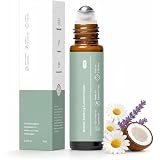
Dr. Dhanushekar emphasizes the benefits of applying oil before a bath, and this is a practice widely supported by experts. A gentle oil massage prior to bathing serves multiple purposes for **baby skin health**. Firstly, it helps to hydrate and condition the skin, providing a protective layer against the drying effects of water and cleansers during the bath. Secondly, it can make the skin more supple, aiding in the removal of dirt without excessive rubbing. Thirdly, and perhaps just as importantly, a pre-bath massage provides a wonderful opportunity for bonding between parent and child, offering a calming and sensory experience. Use pure, hypoallergenic baby massage oils, or natural oils like almond oil or virgin coconut oil. Always perform a small patch test first to ensure no allergic reactions.
Beyond the Bath: Nurturing Your Baby’s Skin Daily
A comprehensive **baby skincare routine** extends beyond just bath time. Consistent care throughout the day is crucial for maintaining optimal skin health.
Moisturization is Key
After a gentle bath, and even on non-bath days, daily moisturization is a cornerstone of good **infant skincare**. Applying a fragrance-free, hypoallergenic baby lotion or cream immediately after patting the skin dry helps to lock in moisture, replenish the skin’s natural barrier, and prevent dryness. Moisturizers work by creating a protective layer that traps water in the skin, keeping it soft and supple. Choose products specifically designed for babies to ensure they are free from harsh chemicals, dyes, and strong fragrances that can irritate sensitive skin.
Diaper Care: Preventing Rashes
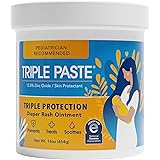
A significant part of **newborn skin care** involves meticulous diaper hygiene. The warm, moist environment inside a diaper is a breeding ground for bacteria and yeast, making diaper rash a common concern. Frequent diaper changes, gentle cleansing with water or mild baby wipes (fragrance-free), and allowing the baby’s bottom to air dry whenever possible are essential. A thin layer of zinc oxide-based diaper rash cream can also provide a protective barrier against moisture and irritants.
Sun Protection: A Vital Element of Baby Skincare
While not mentioned in the video, protecting a baby’s skin from the sun is an often-overlooked aspect of their **baby skin health**. Infants under six months should be kept out of direct sunlight as much as possible. When outdoors, use protective clothing, wide-brimmed hats, and ensure they are in the shade. For older babies, discuss appropriate baby-safe sunscreens with your pediatrician, focusing on mineral-based formulas.
When to Seek Professional Advice for Your Baby’s Skin
Despite the best preventative care, babies can still develop skin issues. It’s important for parents to recognize when to seek professional medical advice. Persistent rashes, severe dryness that doesn’t improve with moisturization, signs of infection (redness, warmth, pus), or allergic reactions (hives, swelling) should prompt a visit to your pediatrician. They can accurately diagnose the issue and recommend appropriate treatment, ensuring your baby’s **sensitive skin** receives the care it needs.
Ultimately, the goal of any **baby skincare routine** is to protect and nourish their delicate skin. By understanding the unique needs of infant skin and choosing pediatrician-approved products over potentially harmful traditional remedies, parents can ensure their little ones are comfortable, healthy, and happy. Trusting the expertise of medical professionals like Dr. Dhanushekar is key to making informed decisions for the best **baby skin care** outcomes.
Gentle Skin, Clear Answers: Your Baby Skincare Q&A
Why is a baby’s skin different from an adult’s?
A baby’s skin is thinner, more permeable, and has an underdeveloped moisture barrier. This makes it much more susceptible to dryness, irritation, and the absorption of external substances.
Are traditional remedies like gram flour safe for baby skin?
No, traditional remedies such as gram flour (kadala maavu) are explicitly warned against. Their coarse texture can act like sandpaper, causing micro-abrasions and stripping away natural protective oils from a baby’s delicate skin.
What kind of skincare products should I use for my baby?
It is best to use products specifically formulated for babies that are mild, pH-balanced, and hypoallergenic. Look for labels like ‘tear-free’ and ‘hypoallergenic’ to ensure they are non-irritating.
What are important daily steps for baby skincare?
Key daily steps include gentle cleansing with baby-specific products, consistent moisturization after baths, meticulous diaper care to prevent rashes, and protecting their delicate skin from the sun.