Imagine the confusion of walking down a skincare aisle today. It’s overflowing with products, each promising incredible results, but how do you know what’s right for your child or teenager? The brief overview in the video above gives an excellent starting point, highlighting the fundamental differences in approach for younger skin versus adolescent skin. Understanding these distinctions is crucial for establishing effective and safe skincare for kids and teens, ensuring their developing skin gets exactly what it needs without being overwhelmed by unnecessary or overly potent ingredients.
The journey through childhood and adolescence brings significant changes to the skin. A child’s skin is typically delicate and robust, largely free from hormonal influences that begin to wreak havoc in the teenage years. Consequently, their skincare needs are straightforward, focusing primarily on protection and basic hygiene. Teenagers, however, face a new landscape of hormonal fluctuations, increased oil production, and the challenging emergence of acne. Adapting their skincare routine becomes essential to manage these changes effectively and prevent long-term skin concerns.
Establishing Foundational Skincare for Kids
When it comes to children, simplicity is key, as the video aptly emphasizes. Their skin barrier is still developing, making it more susceptible to irritation from harsh chemicals or overly complex formulations. The goal isn’t to create a multi-step regimen but rather to instill good habits that protect their delicate skin and maintain its natural balance. Think of it as building a strong foundation upon which more specialized care can later be added if needed. This gentle approach prevents sensitization and helps maintain healthy skin throughout their formative years.
The Essential Trio for Children’s Skin Health
A basic, gentle routine is paramount for younger children. Overcomplicating matters can lead to unnecessary irritation and can also make it difficult for kids to stick to a routine. Therefore, focusing on three core elements provides comprehensive care without overwhelming their skin or their routine.
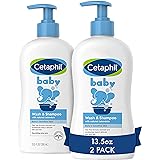
- Gentle Cleanser: Choose a mild, fragrance-free cleanser specifically designed for sensitive skin or children. These products are formulated to remove dirt, sweat, and environmental impurities without stripping the skin’s natural oils. Imagine if you used a harsh soap meant for adults on a child’s delicate face; it could lead to dryness, redness, and discomfort. Application should be gentle, typically once a day or after playing outdoors.
- Moisturizer: A lightweight, hypoallergenic moisturizer helps maintain the skin’s barrier function, keeping it hydrated and protected. Look for ingredients like ceramides or hyaluronic acid, which are excellent for moisture retention. Applying moisturizer after bathing or cleansing helps lock in moisture, preventing dryness and supporting overall skin health.
- Sunscreen: This is arguably the most critical step for kids. Their skin is highly vulnerable to UV damage, which can have long-term consequences. A broad-spectrum sunscreen with an SPF of 30 or higher should be applied daily, even on cloudy days. Physical sunscreens containing zinc oxide or titanium dioxide are often preferred for children due to their gentle nature and immediate protection. Reapplication every two hours, or after swimming or sweating, is vital for continuous protection.
Transitioning to Teen Skincare Routines
As children enter adolescence, their skin undergoes a dramatic transformation driven by hormonal surges. These changes often manifest as increased oil production, clogged pores, and the onset of acne. Therefore, the skincare routine must evolve from a purely protective model to one that actively manages these new challenges. The video rightly points out the need to introduce additional steps and specialized products, moving beyond the simple ‘cleanse, moisturize, protect’ mantra of childhood. This strategic shift helps teens navigate common skin issues with confidence.
Addressing Teenage Skin Concerns: Beyond the Basics
Teenage skin demands a more targeted approach, especially when dealing with the realities of puberty. The introduction of specific treatments can make a significant difference in managing breakouts and maintaining clarity. This expansion isn’t about adding countless products, but rather incorporating strategic additions that tackle specific issues without over-treating the skin.
- Cleansing Oil for Makeup Removal: Many teens begin experimenting with makeup, which, if not properly removed, can clog pores and exacerbate breakouts. A cleansing oil is an excellent first step in a double-cleansing routine. It effectively dissolves oil-based makeup, sunscreen, and impurities without harsh rubbing or stripping the skin. After an oil cleanse, a gentle water-based cleanser can then remove any residue, leaving the skin thoroughly clean.
- Exfoliants for Clogged Pores: Hormonal changes often lead to an increase in dead skin cells and sebum production, which can block pores. Introducing a chemical exfoliant can be very beneficial. Salicylic acid (a BHA) is particularly effective for teen acne because it’s oil-soluble and can penetrate into the pores to dissolve sebum and dead skin cells. Imagine if those clogged pores were left unchecked; they would inevitably lead to more blackheads and pimples. Start with a low concentration and use it a few times a week.
- Retinol for Acne Treatment: For persistent or more severe acne, the video’s suggestion of retinol is a powerful step. Retinoids work by increasing cell turnover, preventing pores from becoming clogged, and reducing inflammation. They are also excellent at fading post-inflammatory hyperpigmentation. It’s crucial to start with a very low concentration of an over-the-counter retinol or retinoid (like adapalene) a few times a week and gradually increase frequency as the skin tolerates it. Proper sun protection is non-negotiable when using retinoids, as they can increase sun sensitivity.
Key Considerations for Teen Skincare
Beyond specific products, understanding general principles for teen skincare can prevent common mistakes and foster better long-term habits. The delicate balance of treating active issues while maintaining skin health is paramount during these years. Furthermore, consistency and patience are vital ingredients for seeing results with any skincare routine.
- Consistency is Key: Regular adherence to a routine, even a simple one, yields far better results than sporadic use of many products. Encourage teens to stick with their regimen daily.
- Non-Comedogenic Products: Advise teens to look for products labeled “non-comedogenic,” meaning they are formulated not to clog pores. This is especially important for moisturizers, sunscreens, and makeup.
- Avoid Picking and Popping: This cannot be stressed enough. Picking at pimples can lead to increased inflammation, infection, and permanent scarring. Gentle treatment is always superior to aggressive extraction.
- Patch Testing: When introducing new products, especially exfoliants or retinoids, always recommend patch testing a small area of skin first to check for adverse reactions.
- Patience: Skincare results, particularly with acne treatments, take time. It can often be several weeks or even months before significant improvements are visible. Managing expectations is an important part of the process.
Navigating Specific Product Choices for Developing Skin
The vast array of products available can be daunting, but understanding the ingredients and their purpose can simplify choices for effective skincare for kids and teens. Selecting products based on their active components ensures that you are targeting specific concerns appropriately. Moreover, being mindful of potential irritants helps protect sensitive skin from unnecessary reactions.
Ingredients to Look For and Avoid
For both age groups, a focus on gentle, effective ingredients is paramount. Kids benefit most from barrier-supporting components, while teens can slowly introduce more active ingredients. Avoiding harsh chemicals and excessive fragrance can prevent many common skin issues before they even start, maintaining a healthy skin environment for growth and development.
- For Kids (Look For): Ceramides, hyaluronic acid, glycerin, zinc oxide, titanium dioxide, colloidal oatmeal. These ingredients support the skin barrier, hydrate, and offer gentle sun protection.
- For Kids (Avoid): Strong fragrances, dyes, sulfates (SLS), parabens, essential oils, and harsh alcohols. These can be irritating to young, sensitive skin.
- For Teens (Look For): Salicylic acid (for oily/acne-prone skin), benzoyl peroxide (for inflammatory acne), niacinamide (for redness and barrier support), adapalene (a mild retinoid), hyaluronic acid (for hydration), ceramides.
- For Teens (Avoid, or Use with Caution): Overly abrasive physical scrubs, high concentrations of AHAs (glycolic, lactic acid) without proper guidance, drying alcohols. Introduce potent actives slowly and one at a time to monitor reactions.
Ultimately, whether you are caring for a child’s delicate skin or guiding a teenager through the challenges of puberty-induced breakouts, the core principle remains the same: thoughtful, age-appropriate care. Building healthy habits early creates a foundation for lifelong skin health. The right routine empowers individuals to feel comfortable and confident in their skin, reinforcing the importance of balanced skincare for kids and teens.
Breaking Down Skincare: Your Kids & Teens Q&A
Why is skincare different for kids and teens?
A child’s skin is delicate and needs basic protection, while a teenager’s skin undergoes hormonal changes that often lead to increased oil production and acne.
What are the essential skincare steps for young children?
For young children, the focus is on simplicity, involving a gentle cleanser, a lightweight moisturizer, and daily application of broad-spectrum sunscreen.
What new skin problems might teenagers typically face?
Teenagers often experience new challenges like increased oil production, clogged pores, and the onset of acne due to hormonal changes during puberty.
What specific ingredients can help teenagers with breakouts?
For teenage breakouts, ingredients like salicylic acid can help clear clogged pores, and a low concentration of retinol (like adapalene) can be introduced for persistent acne.