Ensuring Infant Health: A Comprehensive Guide to Washing Baby Feeding Bottles
As you may have just seen in the video above, properly washing baby feeding bottles is a crucial part of infant care. While the quick visual offers a glimpse, understanding the ‘why’ and ‘how’ in detail can significantly impact your baby’s health and well-being. The responsibility of keeping feeding equipment pristine can feel overwhelming for new parents, yet it’s simpler than you might think once you have a clear process.
This guide provides a thorough breakdown of best practices, tools, and techniques for keeping your baby’s bottles impeccably clean. We aim to equip you with the knowledge needed to ensure every feeding is safe and hygienic, minimizing risks associated with harmful germs and bacteria.
Why Proper Bottle Hygiene Matters for Your Little One
Maintaining impeccable cleanliness for your baby’s feeding bottles is not just about aesthetics; it’s a critical component of preventing illness. Infants, particularly newborns and those with developing immune systems, are highly susceptible to infections caused by bacteria and viruses.
Research published in *Pediatrics* emphasizes that cleaning bottles immediately after feeding is critical. Bacterial growth can double every 20 minutes at room temperature, making timely washing essential. Poorly cleaned bottles can harbor germs, increasing the risk of gastrointestinal infections like diarrhea and vomiting, which can be serious for young babies.
Essential Tools for Effective Baby Bottle Cleaning
Having the right equipment makes the bottle washing process much more efficient and effective. Gathering these items before you start can streamline your routine and ensure every part of the baby feeding bottles is thoroughly cleaned.
- Dedicated Bottle Brush: This is a must-have. Bottle brushes are designed with long handles and specialized bristles to reach all internal surfaces of bottles. Studies show using a dedicated bottle brush can remove 25% more milk residue than sponges alone, especially from hard-to-reach areas.
- Nipple Brush: A smaller brush, often attached to the handle of a bottle brush, is perfect for cleaning nipples and other small bottle components where milk residue can easily accumulate.
- Dish Soap: Opt for an unscented, mild dish soap. Some parents prefer specific baby-safe formulas, but any standard dish soap is effective if rinsed thoroughly.
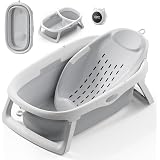
- Wash Basin or Tub: Instead of washing bottles directly in the sink, using a clean wash basin dedicated solely to baby feeding bottles prevents cross-contamination from food particles and germs found in the sink.
- Drying Rack: A specialized drying rack allows bottles and parts to air dry completely. Proper air drying is crucial for preventing bacterial growth that can occur in damp environments.
Step-by-Step Guide to Manual Bottle Washing
Manual washing is a dependable method for cleaning baby feeding bottles and is often preferred for breast pump parts or bottles that aren’t dishwasher safe. This thorough process ensures all feeding equipment is free from milk residue and germs.
First, disassemble all bottle components: separate the bottle, nipple, collar, and cap. Rinse each part under cool, running water immediately after feeding to remove any remaining milk or formula. This initial rinse prevents milk proteins from drying and sticking.
Next, fill your dedicated wash basin with hot, soapy water. Submerge all bottle parts completely. Using your bottle brush, scrub the inside and outside of each bottle thoroughly. Pay close attention to the bottom and neck, where residue often hides. Utilize the smaller nipple brush to clean the inside and outside of nipples, ensuring no milk film remains in the crevices or holes.
Finally, rinse all components under hot, running water to remove all traces of soap. It is crucial to rinse thoroughly, as any residual soap can affect your baby’s feeding or taste. Place the clean parts on a clean drying rack, allowing them to air dry completely before storage.
Dishwasher Cleaning for Baby Feeding Bottles
For many parents, using a dishwasher can be a significant time-saver, especially with multiple baby feeding bottles. However, not all bottles are dishwasher safe, so always check the manufacturer’s instructions first.
Before loading, rinse bottles and components under running water to remove any large milk particles. Place smaller items like nipples, caps, and rings in a mesh laundry bag or a dishwasher basket specifically designed for baby items. This prevents them from flying around and getting lost during the wash cycle. Larger bottles should be placed upside down on the top rack over the tines, ensuring water can reach all surfaces.
Use a hot water cycle and a heated drying setting (or sanitize setting if available). The high temperature in a dishwasher effectively cleans and sanitizes, eliminating most germs. Once the cycle is complete, ensure all parts are completely dry before storing them, again using a clean drying rack if necessary to finish air drying.
Sterilization: Is It Always Necessary for Baby Feeding Bottles?
While thorough washing removes germs, sterilization goes a step further by killing virtually all bacteria and viruses. The need for sterilization varies based on your baby’s age and health, along with local health recommendations.
The CDC recommends daily sterilization for infants under three months of age, or for those with weakened immune systems. This process significantly reduces bacterial load by 99.9%. Once a baby is older than three months and has a healthy immune system, regular thorough washing is generally sufficient, though some parents choose to continue sterilizing periodically.
Common sterilization methods include:
- Boiling: Submerge clean bottle parts in a pot of boiling water for five minutes. This is a simple and effective method.
- Steam Sterilizers: Electric or microwave steam sterilizers use high-temperature steam to kill germs. These are often quicker and more convenient than boiling.
- UV Sterilizers: These newer devices use ultraviolet light to disinfect bottles, offering a dry sterilization method without water or chemicals.
- Cold Water Sterilization: Using special sterilizing tablets dissolved in cold water, this method is useful for travel or when electricity isn’t available.
Regardless of the method, always ensure baby feeding bottles are clean before sterilizing, as sterilization is not a substitute for washing away milk residue.
Drying and Storing Clean Baby Feeding Bottles
After washing and sterilizing, proper drying and storage are paramount to prevent recontamination. A bottle is only truly clean if it remains so until its next use. It’s not uncommon for recontamination to occur if bottles are not handled or stored correctly.
Always air dry bottles and their components on a clean drying rack. Avoid using cloth towels, which can harbor germs and reintroduce them to your freshly cleaned equipment. Ensure the rack is in a clean area, away from potential splashes or contaminants. Letting them air dry naturally minimizes the risk of introducing new bacteria.
Once completely dry, store baby feeding bottles and parts in a clean, enclosed area, such as a cupboard or a clean container with a lid. Assemble bottles just before use to minimize exposure to air and potential dust. Research indicates that proper storage of clean bottles can reduce the risk of environmental contamination by over 70% compared to leaving them exposed on a counter.
Common Mistakes to Avoid When Washing Baby Feeding Bottles
Even with the best intentions, certain habits can compromise the cleanliness of your baby feeding bottles. Being aware of these common pitfalls can help you maintain optimal hygiene.
- Washing in the Sink Without a Basin: As mentioned, direct sink washing exposes bottles to food particles and bacteria. Always use a dedicated wash basin.
- Not Disassembling All Parts: Gaskets, rings, and even some anti-colic inserts need to be separated for thorough cleaning. Milk can hide in tiny crevices.
- Using Abrasive Sponges or Brushes: These can scratch plastic bottles, creating microscopic grooves where bacteria can accumulate and become harder to remove. Stick to bottle-specific brushes.
- Skipping Immediate Rinse: Dried milk is much harder to remove and provides a breeding ground for bacteria. Rinse right after feeding.
- Incomplete Drying: Moisture is an enemy of cleanliness. Any dampness can encourage mold and bacterial growth. Ensure bottles are bone dry before storing.
- Reusing Wash Water: Dirty wash water can redeposit germs onto other items. Always use fresh, hot, soapy water for each washing session.
A survey found that nearly 30% of parents admitted to occasionally skipping thorough bottle cleaning due to time constraints, highlighting a common challenge. However, neglecting these steps can pose health risks for your baby.
Making Bottle Washing Part of Your Routine
Integrating bottle washing into your daily routine can make it feel less like a chore and more like a natural part of caring for your baby. Establishing a consistent schedule helps ensure baby feeding bottles are always ready and safe for use.
Consider cleaning bottles right after each feeding or setting aside a specific time each day for a thorough washing session. Some parents find batch washing all bottles at once, perhaps once in the morning and once in the evening, to be most efficient. Having a designated drying area ready to go can also speed up the process.
Remember, the effort you put into cleaning baby feeding bottles directly contributes to your infant’s health and comfort. By following these guidelines, you’re not just washing bottles; you’re safeguarding your baby’s precious first months.
Answering Your Baby Bottle Cleaning Questions
Why is it important to wash baby feeding bottles properly?
Properly washing baby bottles is crucial to prevent illness in infants by removing harmful germs and bacteria. Babies, especially newborns, are highly susceptible to infections caused by these germs.
What essential tools do I need for washing baby bottles?
You’ll need a dedicated bottle brush, a nipple brush, mild dish soap, a wash basin used only for bottles, and a drying rack. These tools help ensure every part of the bottle is thoroughly cleaned.
How do I manually wash a baby feeding bottle?
First, disassemble all bottle parts and rinse them under cool water. Then, scrub each part thoroughly with a bottle brush and mild dish soap in a wash basin, rinse completely under hot running water, and allow them to air dry on a clean rack.
Is sterilization always necessary for baby feeding bottles?
Daily sterilization is recommended for infants under three months of age or those with weakened immune systems. For babies older than three months with a healthy immune system, thorough washing is generally sufficient.