Understanding Baby Skincare Remedies: A Gentle Guide for Parents
Many parents find themselves facing various skin challenges with their little ones, from persistent redness to uncomfortable rashes. The delicate nature of infant skin often means that specific, gentle care is required to maintain its health and comfort. Dealing with these conditions can be a source of stress and concern for caregivers seeking effective solutions.
Fortunately, practical approaches and effective baby skincare remedies are available to help soothe and protect your baby’s sensitive skin. The video above, featuring insights from Dr. Chetan, offers a brief overview of common baby skin concerns and their solutions. This article aims to expand on these vital topics, providing detailed guidance for parents on how to identify, prevent, and treat eczema, diaper rash, and heat rash, ensuring your baby’s skin remains soft and healthy.
Navigating Infant Eczema: Gentle Care for Sensitive Skin
Eczema, also known as atopic dermatitis, is a chronic skin condition that frequently affects infants. It is characterized by dry, itchy, red patches that can appear anywhere on the body, though commonly seen on the face, scalp, and creases of joints. The skin barrier is often compromised in babies with eczema, making it more susceptible to irritants and allergens. Understanding the triggers and proper care is essential for managing this condition effectively.
Preventative measures are primarily focused on strengthening the skin barrier and avoiding known irritants. Regular moisturizing is considered a cornerstone of eczema management; a thick, emollient cream or ointment should be applied generously at least twice a day, especially after bathing. Furthermore, products with fragrances, dyes, or harsh chemicals are typically avoided as they can exacerbate irritation. Keeping baths short and lukewarm, rather than hot, is also recommended to prevent further drying of the skin.
When flare-ups occur, specific baby skincare remedies are often employed to reduce discomfort. Topical corticosteroids, prescribed by a pediatrician, may be used for short periods to calm inflammation and itching. Non-steroidal anti-inflammatory creams are sometimes recommended as an alternative for maintenance therapy or less severe cases. It is important that affected areas are kept clean and protected from scratching, as scratching can lead to infection. Gentle, loose-fitting cotton clothing is generally preferred to minimize friction and allow the skin to breathe.
Effective Solutions for Diaper Rash: Protecting Delicate Areas
Diaper rash is an extremely common skin irritation that affects babies in the diaper area. It is typically caused by prolonged exposure to moisture, friction, urine, and stool, which break down the skin’s natural barrier. The resulting redness, soreness, and sometimes raised bumps can be quite uncomfortable for infants. Proper hygiene and targeted baby skincare remedies are crucial for both prevention and treatment.
Prevention involves diligent diaper changes and thorough cleansing. Diapers should be changed promptly when wet or soiled, and the diaper area should be gently cleaned with warm water or a mild, fragrance-free cleanser. Wipes without alcohol or harsh chemicals are usually preferred. The skin should then be allowed to air dry completely before a new diaper is put on; this step is very important for reducing moisture build-up.
Treatment for existing diaper rash often involves the consistent application of a protective barrier cream. Zinc oxide or petroleum jelly-based ointments are commonly used to create a physical barrier between the skin and irritating moisture. These creams help to soothe the inflamed skin and promote healing. In cases where the rash persists or appears to be worsening, a fungal infection might be present, requiring an antifungal cream prescribed by a doctor. It is always advised that tight-fitting diapers are avoided to allow for better air circulation.
Treating Heat Rash (Miliaria): Keeping Your Baby Cool
Heat rash, medically known as miliaria or prickly heat, occurs when sweat ducts become blocked, trapping sweat beneath the skin. This condition often manifests as small, red bumps or clear blisters, typically appearing in areas where sweat accumulates, such as the neck, armpits, and diaper area. While generally not serious, heat rash can be itchy and uncomfortable for babies, especially in warm or humid environments.
The primary strategy for preventing heat rash involves keeping the baby cool and dry. Light, loose-fitting clothing made from breathable fabrics like cotton is recommended. Overdressing should be avoided, particularly during warmer months or in heated indoor environments. Ensuring good air circulation in the baby’s sleeping and play areas can also significantly reduce the risk of sweat duct blockages. Regular monitoring of the baby’s temperature and comfort level is an important practice.
When heat rash develops, simple baby skincare remedies are usually sufficient to provide relief. The affected area should be gently washed with mild soap and water, then allowed to air dry completely. Cooling the skin with a damp cloth can offer immediate comfort. It is important that lotions and ointments that could further block sweat ducts are avoided. If the rash persists or shows signs of infection, medical advice should be sought to ensure appropriate treatment is administered.
General Principles for Healthy Baby Skin: Beyond Remedies
Beyond addressing specific conditions, a proactive approach to general baby skincare can significantly contribute to overall skin health. The infant skin barrier is still developing, making it more permeable and susceptible to external factors than adult skin. Therefore, a gentle and consistent routine is considered vital for maintaining its integrity and preventing common issues. Thoughtful choices in daily care products and practices form the foundation of this routine.
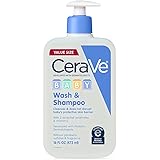
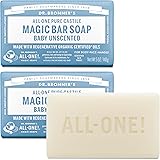
Choosing the right products is a critical aspect of baby skincare. Cleansers, lotions, and shampoos that are specifically formulated for babies are typically recommended. These products are often fragrance-free, dye-free, and hypoallergenic, minimizing the risk of irritation or allergic reactions. Patch testing a new product on a small area of skin before widespread use is a wise precaution. Furthermore, laundry detergents designed for sensitive skin should be considered for baby clothes and bedding.
Daily routines, such as bathing and moisturizing, play a significant role in maintaining skin hydration and cleanliness. While daily baths may not always be necessary, when bathing, mild cleansers are preferred, and the water temperature should be lukewarm. Following a bath, a gentle, emollient moisturizer can be applied to damp skin to lock in moisture. These consistent practices help to support the skin’s natural barrier function, making it more resilient against environmental stressors and contributing to overall healthy baby skincare remedies.
Dr. Chetan’s Baby Skincare Solutions: Your Questions Answered
What are some common skin problems babies face?
Babies often experience skin challenges like eczema, diaper rash, and heat rash due to their delicate skin. These conditions can cause redness, irritation, and discomfort.
What is eczema and how can I help prevent it in my baby?
Eczema is a chronic skin condition causing dry, itchy, red patches, often on the face or in joint creases. You can help prevent it by regularly moisturizing with thick cream and avoiding products with fragrances or harsh chemicals.
How can I prevent diaper rash?
To prevent diaper rash, change wet or soiled diapers promptly and gently clean the area with warm water or a mild cleanser. Always allow the skin to air dry completely before putting on a new diaper.
What is heat rash and how can I soothe it?
Heat rash occurs when sweat ducts are blocked, appearing as small red bumps, often in warm areas. To soothe it, keep your baby cool, gently wash the affected area with mild soap and water, and allow it to air dry.