As parents, we often find ourselves navigating a maze of advice, especially when it comes to common baby woes like diaper rash. Many of us instinctively reach for certain products or methods, unaware that we might actually be exacerbating the problem. The video above, featuring a board-certified dermatologist, offers a refreshing, expert perspective on treating and preventing these irritating rashes, not just for infants but for adults too. It challenges conventional wisdom, guiding us toward practices that truly support skin health.
Understanding the Roots of Diaper Rash: More Than Just Wetness
Imagine your skin as a sturdy fortress, designed to keep irritants out and moisture in. When this fortress, known as the skin barrier, is compromised, problems arise. Diaper rash, a common form of irritant contact dermatitis, is a prime example of this barrier breakdown. It isn’t simply about a wet diaper; it’s a complex interplay of factors that attack the skin’s natural defenses.
The Culprits: Moisture, Friction, and Irritants
The dermatologist in the video wisely points out the primary trio responsible for diaper rash: moisture, friction, and irritants. However, let’s delve a little deeper into each of these:
- Moisture: While wetness from urine and stool is obvious, excessive moisture creates a damp environment where the skin can become macerated and weakened, making it more vulnerable to damage. This constant dampness softens the outer layer of the skin, stripping away natural oils.
- Friction: The rubbing of skin against the diaper, clothing, or even itself (in skin folds) creates tiny micro-tears. These small abrasions provide entry points for bacteria and further compromise the skin barrier. The more active a baby, or adult, the greater the potential for friction.
- Irritants: Poop and pee are natural irritants due to their enzymes and urea content, which can alter the skin’s pH balance. But, as the dermatologist highlights, the culprits extend beyond biological waste. Many common baby wipes contain fragrances, alcohol, preservatives, and other chemicals that can be highly irritating, leading to allergic contact dermatitis over time. Even harsh soaps or detergents can contribute.
The Diaper Rash Treatment Plan: Dermatologist-Approved Steps
Moving away from common misconceptions, here’s a precise, dermatologist-backed strategy for tackling diaper rash, focusing on creating a protective environment and reducing inflammation.
Why Your Wipes Might Be Making It Worse
This point from the video is crucial. Many parents rely heavily on baby wipes for convenience, assuming they are gentle. However, a significant number of wipes contain ingredients that can be detrimental to sensitive skin. Common offenders include phenoxyethanol, parabens, phthalates, and various artificial fragrances. These chemicals can strip the skin of its natural oils, trigger allergic reactions, or simply cause more irritation to an already compromised area. Instead of aiding healing, they can perpetuate the cycle of irritation.
The Art of Gentle Cleaning and Drying
To effectively treat a diaper rash, proper cleaning is paramount, and it’s simpler than you might think. Ditch those problematic baby wipes for now. The ideal approach is to use a soft, damp washcloth, perhaps with a mild, fragrance-free cleanser if needed, and gently wipe the area. Plain water is often sufficient. The key word here is “gentle.” Rubbing can intensify friction and further damage the tender skin. After cleaning, always pat the skin completely dry with another clean, soft cloth. Residual moisture, even a small amount, can counteract your efforts. If wipes are absolutely necessary when out and about, opt for “water wipes” which contain very few ingredients, primarily purified water.
Choosing the Right Barrier Paste: Ingredients That Matter
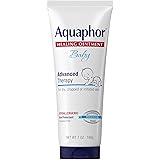
Once the area is clean and dry, applying a thick barrier paste is the next critical step. This isn’t just any cream; specific ingredients provide a robust shield. The dermatologist favors Aquaphor’s Diaper Rash Paste and Triple Paste, both excellent choices for good reason.
- Zinc Oxide: This mineral creates a physical barrier that repels moisture and irritants. It also possesses mild astringent and antiseptic properties, which help to dry out weeping skin and discourage bacterial growth. Look for pastes with at least 10-20% zinc oxide for effective protection.
- Petrolatum: A highly occlusive ingredient, petrolatum (like that found in Vaseline) forms a protective layer on the skin’s surface. This layer prevents further moisture loss from the skin while simultaneously blocking external irritants from reaching the sensitive area. It’s incredibly effective at promoting a healing environment.
Unlike thinner lotions or creams that absorb quickly, a thick paste adheres to the skin, providing long-lasting protection between diaper changes. Don’t be shy with the application; a generous, visible layer is what you’re aiming for.
When to Consider Mylanta (The Pro Tip)
For particularly severe diaper rashes, especially those accompanied by raw, inflamed skin, the dermatologist shares a unique “pro tip”: mixing a bit of Mylanta (yes, the antacid) with your chosen barrier paste. This might sound unconventional, but there’s a scientific basis. Stool acids can be incredibly irritating to the skin, contributing significantly to the pain and redness of a severe rash. Mylanta, containing aluminum and magnesium hydroxide, works to neutralize these acids, much like it neutralizes stomach acid. By binding up these irritants, it allows the skin a better chance to heal when combined with the protective barrier of the paste.
Giving Skin a Breathing Break
One of the simplest yet most effective interventions is allowing the affected skin to air out. As mentioned in the video, letting your baby go diaper-free for short periods throughout the day can work wonders. This reduces moisture, friction, and heat, giving the skin a chance to breathe and recover naturally. Laying them on a towel or a waterproof pad for 10-15 minutes several times a day can accelerate healing and prevent recurrence. This practice is often overlooked but can make a significant difference in resolving stubborn diaper rashes.
Beyond Babies: Applying Diaper Rash Strategies for Adults
The beauty of the dermatologist’s advice is its versatility. The same principles that heal and protect a baby’s bottom apply to various skin irritations experienced by adults. The core issues—moisture, friction, and irritation—are universal.
Tackling Chafing and Intertrigo in Adults
Adults frequently experience chafing, especially during exercise, in humid climates, or when wearing certain fabrics. Common areas include inner thighs, underarms, and under breasts. Similarly, intertrigo, a rash in skin folds due to friction and moisture, can affect individuals of all sizes. The thick barrier pastes containing zinc oxide and petrolatum are excellent for these conditions. They create that crucial protective layer, reducing friction and repelling moisture, allowing the irritated skin to recover. Regular application to vulnerable areas can prevent discomfort and promote healing.
Post-Shaving and Waxing Irritation Relief
Anyone who has experienced bikini line redness, ingrown hairs, or irritation after shaving or waxing knows the discomfort. The sensitive skin in these areas is easily traumatized, leading to inflammation and sometimes even infection. Applying a thin layer of diaper rash paste after these grooming activities can soothe the skin, reduce redness, and provide a protective barrier against further irritation from clothing or sweat. The anti-inflammatory properties of zinc oxide are particularly beneficial here.
Whether you’re dealing with a baby’s sensitive skin or your own, understanding the underlying causes of irritation and applying these targeted, dermatologist-backed strategies can make all the difference. Remember, the goal is always to create a protective barrier while reducing inflammation, a lesson clearly demonstrated in the video above.
Diaper Rash Q&A: Your Expert Guide to Happy, Healthy Bottoms
What is a diaper rash?
A diaper rash is a common skin irritation, also known as irritant contact dermatitis, which happens when the skin’s natural protective barrier is compromised.
What typically causes a diaper rash?
Diaper rashes are primarily caused by a combination of excessive moisture from urine and stool, friction from the diaper, and irritants like certain chemicals or enzymes.
Why should I avoid using many common baby wipes when my baby has a rash?
Many baby wipes contain ingredients like fragrances and preservatives that can further irritate sensitive skin and prevent healing. It’s better to use plain water or water wipes for cleaning.
How should I properly clean the area affected by a diaper rash?
Gently clean the affected area with a soft, damp washcloth and plain water, or a mild fragrance-free cleanser if needed. Always pat the skin completely dry afterward.
What type of cream or paste should I use for a diaper rash?
You should use a thick barrier paste that contains ingredients like zinc oxide and petrolatum. These create a protective layer to repel moisture and help the skin heal.