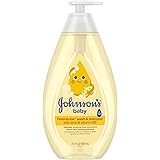
The visual guide above offers a glimpse into the world of baby skincare, highlighting the significance of choosing the right products for your little one. While the video focuses on visual cues, understanding the ‘why’ and ‘how’ behind selecting the best creams for babies is paramount for every parent. A baby’s skin is incredibly delicate and distinct from adult skin, making thoughtful product selection not just a preference, but a necessity.
Indeed, a baby’s skin barrier is still developing, making it more permeable, susceptible to dryness, and prone to irritation. This heightened sensitivity means that the creams we choose play a crucial role in maintaining their skin health, protecting against environmental aggressors, and preventing common issues like eczema, diaper rash, and general dryness. Therefore, diving deeper into the characteristics of effective baby creams and understanding what ingredients to look for—and what to avoid—can empower parents to make informed decisions for their child’s well-being.
Understanding Your Baby’s Unique Skin
A newborn’s skin is a marvel, yet it’s also remarkably vulnerable. Unlike adult skin, baby skin is up to 30% thinner, has a less developed natural moisture barrier, and a higher surface area to body weight ratio. These factors contribute to several common skin concerns:
- Dryness: Their skin loses moisture more quickly, leading to dry patches, especially in colder or drier climates.
- Sensitivity and Irritation: The underdeveloped barrier makes it easier for irritants, allergens, and bacteria to penetrate, often resulting in redness or rashes.
- Eczema (Atopic Dermatitis): Many babies are prone to eczema, characterized by red, itchy, and sometimes scaly patches of skin.
- Diaper Rash: A very common concern, caused by prolonged exposure to moisture, friction, and irritants in soiled diapers.
- Cradle Cap: Oily, yellowish, scaly patches on the scalp, often requiring gentle moisturizing and cleansing.
Given these unique characteristics, the choice of a baby cream isn’t merely about moisturizing; it’s about providing a protective barrier, soothing existing irritations, and supporting the natural development of healthy skin. Selecting the appropriate baby cream is a foundational step in comprehensive baby care.
Key Ingredients to Seek in Baby Creams
When you’re scanning product labels for the best creams for babies, knowing which ingredients are beneficial can be a game-changer. These components work synergistically to hydrate, protect, and soothe delicate skin.
Emollients for Deep Moisturization
Emollients are fatty substances that help to smooth and soften the skin by filling in the gaps between skin cells. They create a protective layer on the skin’s surface, preventing water loss. Common examples include:
- Petrolatum (Petroleum Jelly): A highly effective occlusive that forms a strong barrier.
- Mineral Oil: A purified oil that is non-comedogenic and hypoallergenic.
- Shea Butter: A natural plant-based fat rich in vitamins and fatty acids.
- Ceramides: These are naturally occurring lipids in the skin that are crucial for maintaining the skin barrier. Creams with added ceramides can significantly improve skin barrier function, especially beneficial for babies prone to eczema.
Humectants for Hydration
Humectants attract and draw moisture from the air into the skin, helping to keep it hydrated from within. While emollients lock moisture in, humectants pull it to the surface. A primary example is:
- Glycerin: A widely used, gentle, and effective humectant that is well-tolerated by sensitive skin.
Gentle Natural Oils and Extracts
Some natural oils can offer additional soothing and nourishing properties without being irritating. However, it’s essential to ensure they are highly refined and minimally allergenic.
- Jojoba Oil: Mimics the skin’s natural sebum.
- Sunflower Seed Oil: Rich in linoleic acid, which helps to maintain the skin barrier.
- Oat Extract (Colloidal Oatmeal): Known for its anti-inflammatory and soothing properties, particularly useful for itchy or irritated skin.
Hypoallergenic and Fragrance-Free Formulas
Perhaps the most critical factors are “hypoallergenic” and “fragrance-free.” Hypoallergenic means the product has been formulated to minimize allergic reactions, though no product can guarantee zero reactions. Fragrance, even natural fragrances, can be a common irritant for sensitive baby skin. Always opt for unscented varieties to ensure the gentlest care.
Ingredients to Absolutely Avoid in Baby Creams
Conversely, just as important as knowing what to look for is understanding what to steer clear of. Certain ingredients commonly found in adult skincare products can be detrimental to a baby’s developing system and sensitive skin barrier.
Harmful Fragrances and Dyes
Both synthetic and natural fragrances, despite their pleasant scents, are among the leading causes of skin irritation and allergic reactions in babies. Phthalates, often used to make fragrances last longer, are also concerning due to potential endocrine disruption. Dyes, while making products visually appealing, offer no benefit and can also be irritating.
Parabens and Phthalates
These are synthetic preservatives (parabens) and plasticizers (phthalates) that have raised concerns about their potential to disrupt hormones. Although regulatory bodies often deem them safe in small quantities, many parents prefer to avoid them entirely in baby products to err on the side of caution.
Sulfates and Harsh Soaps
Sodium lauryl sulfate (SLS) and sodium laureth sulfate (SLES) are strong cleansing agents that can strip the skin of its natural oils, leading to dryness and irritation. While more commonly found in washes, some creams might contain them. These are best avoided for infant skincare.
Alcohol (Denatured)
High concentrations of denatured alcohol can be incredibly drying and irritating to a baby’s skin, stripping away its natural moisture barrier. Always check the ingredient list to ensure alcohol isn’t a primary component in your chosen baby cream.
Choosing the Right Baby Cream for Specific Concerns
Not all baby creams are created equal, and often, specific skin conditions require targeted solutions. Identifying the particular need for your child’s skin will guide you to the most effective product.
Daily Moisturizers for General Hydration
For everyday use on healthy skin, a lightweight, gentle moisturizer is ideal. Look for products that are hypoallergenic, fragrance-free, and contain a blend of emollients and humectants to maintain soft, supple skin without feeling greasy. These are the staple products for general baby skincare.
Diaper Rash Creams for Protection and Healing
These creams are thicker and designed to create a protective barrier against moisture and irritants. Key ingredients often include:
- Zinc Oxide: A mineral that forms a protective barrier and has mild antiseptic and astringent properties. Typically found in concentrations of 10-40%.
- Petrolatum: Helps to seal out wetness.
- Lanolin: A natural emollient that provides a barrier and soothes skin.
Applying a good diaper rash cream with every change can significantly reduce the incidence of rash and help heal existing irritation.
Eczema Creams for Sensitive, Inflamed Skin
Babies with eczema require creams specifically formulated to replenish the compromised skin barrier and reduce inflammation. These creams are typically thicker than daily moisturizers and often contain ingredients like:
- Colloidal Oatmeal: Soothes itching and inflammation.
- Ceramides: To restore the skin barrier.
- Thick Emollients: Such as petrolatum or mineral oil, to seal in moisture effectively.
It’s crucial to use these regularly, even when the skin appears clear, to prevent flare-ups. However, for severe eczema, a pediatrician might recommend medicated creams.
Effective Application Techniques for Baby Creams
Even with the best creams for babies, proper application can make a significant difference in their effectiveness and your baby’s comfort. Consistency and technique are key in maintaining healthy baby skin.
Timing is Everything
The most opportune time to apply baby cream is immediately after a bath, when the skin is still slightly damp. This helps to lock in the moisture from the bathwater, maximizing the cream’s hydrating benefits. For very dry skin, multiple applications throughout the day might be necessary.
Less Is More (Initially)
While generous application is often recommended for very dry skin or specific conditions like eczema, start with a pea-sized amount and gently warm it between your hands. This ensures even spreading and prevents product waste. You can always add more if needed, ensuring full coverage without over-application.
The Importance of Patch Testing
Before applying any new baby cream all over your baby’s body, perform a patch test. Apply a small amount of the product to a discreet area of skin, such as behind the ear or on a small patch of their arm or leg. Wait 24-48 hours to check for any signs of redness, itching, or irritation. This simple step can prevent a widespread allergic reaction or discomfort.
Gentle, Upward Strokes
Apply the cream with gentle, upward strokes. Avoid harsh rubbing or pulling on the delicate skin. This not only makes the experience more pleasant for your baby but also ensures the cream is absorbed effectively without causing irritation. For diaper rash creams, apply a thick, protective layer, especially in the folds of the skin.
When to Consult a Pediatrician About Your Baby’s Skin
While many common baby skin issues can be managed with over-the-counter baby creams and diligent care, there are instances when professional medical advice becomes necessary. Knowing when to consult a pediatrician ensures your baby receives the most appropriate treatment and prevents minor issues from escalating.
Persistent or Worsening Rashes
If a rash doesn’t improve with home care after a few days, or if it appears to be spreading, becoming more inflamed, or developing blisters or sores, it’s time to see a doctor. This could indicate a bacterial or fungal infection, a severe allergic reaction, or another underlying condition requiring specific medical intervention beyond a standard baby cream.
Severe Dryness or Itching
While some dryness is normal, if your baby’s skin is severely dry, cracked, bleeding, or if they are constantly scratching to the point of discomfort or disrupting sleep, seek medical advice. This might be a sign of moderate to severe eczema, which could benefit from prescription treatments or stronger emollients recommended by a professional.
Signs of Infection
Watch out for any signs of infection, such as pus, oozing, increased redness, warmth to the touch, or fever alongside a skin condition. These symptoms suggest a bacterial infection that will likely require antibiotics. A pediatrician can accurately diagnose and prescribe the correct course of action, which extends beyond typical pediatric skincare routines.
Unusual or Concerning Skin Changes
Any sudden changes in moles, birthmarks, or the appearance of unusual skin lesions should be evaluated by a pediatrician. While most are harmless, early detection of any concerning changes is always best practice for overall baby care.
Your Questions on Baby Creams, Gently Answered
Why is baby skin so delicate compared to adult skin?
A baby’s skin is up to 30% thinner and has a less developed natural moisture barrier. This makes it more permeable, susceptible to dryness, and prone to irritation and other common skin concerns.
What key ingredients should I look for in a baby cream?
You should look for emollients like petrolatum or shea butter for deep moisturizing, humectants like glycerin for hydration, and gentle natural oils such as jojoba or sunflower seed oil. Always choose hypoallergenic and fragrance-free formulas.
What ingredients should I avoid when choosing baby creams?
It’s best to avoid harmful fragrances, dyes, parabens, phthalates, harsh sulfates like SLS/SLES, and denatured alcohol. These ingredients can irritate your baby’s sensitive skin and potentially cause adverse reactions.
When is the best time to apply baby cream for maximum effectiveness?
The most effective time to apply baby cream is immediately after a bath when your baby’s skin is still slightly damp. This technique helps to lock in moisture, maximizing the cream’s hydrating benefits.
When should I consult a pediatrician about my baby’s skin condition?
You should consult a pediatrician if a rash doesn’t improve with home care after a few days, if dryness is severe or leads to bleeding, if you see signs of infection like pus or fever, or if you notice any unusual or concerning skin changes.