Mastering Baby Winter Care Essentials: A Deep Dive for Discerning Parents
As the mercury levels plummet and chilly winds herald the arrival of winter, parents often grapple with the paramount concern of safeguarding their little ones. Babies, possessing an inherently delicate physiology, are particularly susceptible to the season’s rigors due to their immature thermoregulatory systems and thinner skin barriers. This heightened vulnerability necessitates a meticulous approach to winter care, extending beyond basic warmth to encompass comprehensive protection and nourishment. While the accompanying video provides an excellent overview of essential items, understanding the scientific rationale and nuanced considerations behind each choice can significantly elevate your care regimen for optimal infant well-being.
Optimal Layering Strategies with Woolen Clothes
The video appropriately emphasizes woolen clothes as a foundational element of baby winter care. However, the efficacy of these garments extends far beyond mere insulation. Imagine if your infant’s sensitive skin were constantly exposed to clammy fabrics; the discomfort would be considerable. Premium woolen clothes, particularly those crafted from merino wool or high-quality blends, offer exceptional thermal regulation by trapping air close to the body, thereby creating an insulating layer. Furthermore, wool’s natural breathability is crucial, preventing overheating and moisture buildup which could lead to chilling once damp. This sophisticated material wicks away perspiration more effectively than many synthetics, maintaining a dry microclimate against the baby’s skin.
When selecting these essential items, parents should prioritize soft, non-irritating wool varieties to prevent dermal sensitivities. Contrasting with coarse fibers, fine-gauge wool provides warmth without bulk, allowing for comfortable layering over regular cotton bodysuits. The concept of layering is paramount; multiple thin layers are demonstrably more effective at trapping heat than a single thick garment, offering flexibility to adjust as indoor and outdoor temperatures fluctuate. This strategic approach ensures your baby remains comfortably warm without the risk of overheating or developing rashes from excessive sweat accumulation.
Protecting Extremities: The Role of Caps, Gloves, and Socks
While the torso is often prioritized, the extremities—head, hands, and feet—are critical areas for heat loss in infants. The video correctly highlights caps, gloves, and socks, underscoring their importance in cold weather. Babies, unlike adults, have a disproportionately larger head-to-body surface area ratio, making the scalp a significant site for heat dissipation. Therefore, a soft, well-fitting knit beanie or cap is indispensable for minimizing thermal loss and maintaining core body temperature.
Similarly, tiny fingers and toes can quickly become cold, leading to discomfort or even mild hypothermia if left unprotected. Gloves or mittens, preferably those designed with adjustable closures to prevent them from slipping off, are vital for keeping hands warm. However, it’s important to differentiate between merely covering and effectively insulating. Socks should be made from materials that offer warmth without restricting circulation, such as wool or fleece, to ensure sustained comfort and protection against the winter chill. Many parents opt for socks that extend higher up the leg, providing extra coverage and reducing the likelihood of them being kicked off.
The Unseen Defense: Innerwear and Thermals
Beyond external layers, the importance of foundational garments like innerwear and thermals cannot be overstated in a comprehensive baby winter care strategy. These items serve as the crucial base layer, directly interacting with the baby’s skin. Imagine attempting to stay warm in sub-zero temperatures with only an outer jacket, neglecting appropriate base layers. Similarly, baby thermals, often crafted from soft, lightweight, and moisture-wicking materials like merino wool or specialized synthetic blends, provide an essential layer of insulation closest to the body. This intimate layer helps regulate body temperature by trapping warm air and managing moisture, ensuring the baby remains dry and comfortable even during periods of activity or fluctuating ambient temperatures.
When selecting innerwear, prioritizing hypoallergenic and breathable fabrics is paramount to prevent skin irritation. Unlike adult thermals which might prioritize extreme warmth over comfort, baby thermals are designed with their sensitive skin and constant movement in mind. Opt for designs that allow for unrestricted movement and do not bunch up, preventing potential chafing or discomfort. A properly chosen thermal set effectively enhances the overall insulating capability of the baby’s clothing system, proving invaluable for extended outdoor excursions or in particularly chilly indoor environments.
The Soothing Power of Massage: Ointments and Oils
The video touches upon relaxation and massage ointments, as well as massage oils, as vital components of winter care. Beyond their role in bonding, regular massages with appropriate products play a significant role in stimulating circulation and providing warmth, especially when infants might feel stiffer due to cold. However, the choice of product is as important as the technique itself. A high-quality massage ointment, often enriched with ingredients like shea butter or calendula extract, can provide a protective emollient layer, addressing potential dryness exacerbated by winter air. These ointments are frequently formulated to offer both relaxing and hydrating properties, enhancing the therapeutic benefits of the massage.
Conversely, massage oils, typically lighter in texture, facilitate smooth gliding during the massage, promoting relaxation and aiding in the absorption of beneficial nutrients. Imagine an oil that not only lubricates but also nourishes your baby’s skin, which is under siege from harsh environmental elements. Oils rich in essential fatty acids, such as almond oil, jojoba oil, or fractionated coconut oil, are excellent choices, known for their skin-conditioning properties. Parents should always select products that are fragrance-free, hypoallergenic, and specifically formulated for infant skin to minimize the risk of allergic reactions. The gentle warmth generated during a massage, coupled with the nourishing properties of the oil or ointment, contributes significantly to the baby’s comfort and skin health during the colder months.
Diaper Dilemmas in Winter: Prioritizing Dryness and Comfort
Diapers, though seemingly a constant, demand particular attention during winter to prevent discomfort and dermatological issues. The video rightly points out the need to avoid soggy diapers, emphasizing their potential to cause leakage and diaper rashes. However, in colder temperatures, dampness against a baby’s skin can lead to a more rapid drop in local skin temperature, increasing susceptibility to chilling and irritation. Therefore, choosing highly absorbent diapers becomes even more critical during the winter season. These advanced diapers feature superior absorption technology, effectively drawing moisture away from the skin and locking it into the core, thereby keeping the baby’s delicate perianal area dry for extended periods.
Beyond absorbency, breathability is a crucial factor often overlooked. Imagine a diaper that, despite being absorbent, traps all moisture and heat, creating a humid environment ripe for bacterial growth. High-quality winter diapers often incorporate breathable outer layers that allow air circulation while still preventing leaks, contributing to a healthier skin environment. Furthermore, diapers with a pH-balanced top sheet can help maintain the natural acidic mantle of the baby’s skin, offering an additional layer of defense against rashes. Regular diaper changes, coupled with the use of a protective barrier cream, become even more indispensable during winter to ensure your baby’s ultimate comfort and skin integrity amidst the chilly weather.
Hydration Heroes: Body Lotion, Moisturizing Cream, and Body Wash
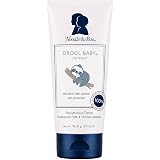
Winter’s dry, cold air significantly challenges infant skin, which is inherently thinner and more prone to moisture loss than adult skin. The video correctly identifies body lotion, moisturizing cream, and body wash as crucial elements in combating dryness and irritation. However, a deeper understanding of their distinct roles and optimal selection is beneficial. A good body lotion, typically lighter in texture, provides daily hydration and forms a protective barrier against environmental aggressors. These lotions often contain humectants like glycerin to draw moisture into the skin and emollients to smooth and soften. Selecting lotions free of parabens, phthalates, dyes, and strong fragrances is paramount to avoid sensitizing the baby’s delicate skin.
Conversely, a moisturizing cream, generally thicker and more occlusive than a lotion, offers a more intensive hydration solution, particularly beneficial for very dry or flaky skin. Imagine applying a rich cream after a bath, sealing in the moisture and providing a robust shield against the cold. Creams are particularly effective at reinforcing the skin’s natural lipid barrier, which can become compromised in harsh winter conditions. Furthermore, the body wash selection plays an equally vital role; opting for a gentle, pH-balanced, soap-free body wash ensures that the skin’s natural oils are not stripped away during bathing, preserving its integrity. This holistic approach to skin hydration—cleansing gently and moisturizing robustly—forms the cornerstone of effective baby winter care, preventing discomfort and promoting healthy skin even in the harshest conditions.
Gentle Cleansing: Soaps & Shampoo for Delicate Skin
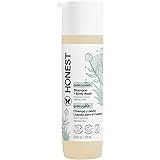
The selection of hygiene products like soaps and shampoos for infants during winter demands particular scrutiny. The video emphasizes choosing products specially crafted for a baby’s delicate skin, and this advice is profoundly important. A baby’s stratum corneum, the outermost layer of the skin, is considerably thinner than an adult’s, making it more permeable and susceptible to irritation and moisture loss. Harsh soaps or shampoos, often formulated with strong detergents (surfactants) and artificial fragrances, can strip away the skin’s natural protective oils, disrupting its pH balance and exacerbating dryness, flakiness, and itching—conditions already intensified by cold, dry air.
Therefore, prioritizing ultra-mild, tear-free, and hypoallergenic formulations is non-negotiable. Look for products that are explicitly labeled “soap-free” or “syndet” (synthetic detergent) based, as these tend to be less alkaline and gentler on the skin. Ingredients like oat extract, calendula, or chamomile can offer additional soothing properties. Imagine a shampoo that cleanses effectively without causing scalp dryness or eye irritation, ensuring bath time remains a pleasant experience. Furthermore, using lukewarm water and limiting bath duration, typically to 5-10 minutes, can prevent excessive moisture loss, allowing these carefully selected products to work optimally in protecting your baby’s skin and scalp throughout the winter months.
On-the-Go Cleanliness: The Indispensability of Wipes
Finally, baby wipes, as highlighted in the video, are an essential item for maintaining cleanliness and hygiene, especially when access to running water is limited. However, their utility extends beyond merely cleaning up messes. In winter, when exposing a baby to cold water for frequent washes might be undesirable, high-quality baby wipes offer a convenient and effective alternative for quick clean-ups, particularly during diaper changes or after feeding. Imagine trying to manage a messy situation in a chilly environment without the instant solution provided by a well-formulated wipe.
For winter use, the selection of wipes warrants extra consideration. Opt for wipes that are alcohol-free, fragrance-free, and formulated with moisturizing agents like aloe vera or glycerin. This gentle composition ensures they clean effectively without stripping the baby’s skin of its natural moisture, which is already challenged by the dry winter air. Wipes designed for sensitive skin often contain emollients that leave a thin, protective layer, helping to prevent dryness and irritation. Always ensure wipes are stored in a warm place, or consider using a wipe warmer, especially for newborns, to prevent a shocking cold sensation against delicate skin during changes. The strategic use of appropriate baby wipes thus significantly contributes to maintaining your infant’s comfort and hygiene throughout the colder season, preventing winter-related health issues.
Keeping Your Little One Cozy: Winter Baby Care Q&A
Why do babies need special care during winter?
Babies have delicate skin and an immature system for regulating their body temperature, making them more vulnerable to the cold weather and dryness of winter. Special care helps protect them from these harsh conditions.
What kind of clothes are best for keeping a baby warm in winter?
Layering with soft, breathable fabrics like merino wool is ideal for winter. Remember to also cover their head, hands, and feet with caps, gloves, and socks to prevent heat loss.
How can I prevent my baby’s skin from getting dry in winter?
To combat dry winter skin, use gentle, pH-balanced, soap-free cleansers during baths. Afterwards, regularly apply a moisturizing cream or lotion to seal in moisture and protect their delicate skin.
Are there special considerations for baby diapers in winter?
Yes, frequent diaper changes are especially important in winter to prevent dampness, which can lead to chilling and irritation. Choose highly absorbent and breathable diapers, and use a protective barrier cream.