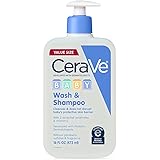
Are you an adult secretly reaching for baby skincare products, hoping for a gentle solution for your sensitive skin? Many individuals operate under the belief that if a product is safe enough for a baby, it must be ideal for delicate adult complexions. However, as Dr. Jushya Bhatia Sarin explains in the video above, this common assumption is actually a misconception.
The truth is, while baby products are designed to be incredibly gentle, they are specifically formulated for a very different type of skin than that of an adult. Understanding these fundamental differences can help you make more informed choices for your skincare routine, ensuring you use products truly suited to your needs.
Understanding the Unique Nature of Baby Skin
The primary reason why adults should generally avoid using baby skincare products lies in the distinct biological differences between infant and adult skin. A baby’s skin barrier is significantly weaker and not fully developed compared to an adult’s. This crucial barrier, made up of lipids and skin cells, acts as the body’s first line of defense, protecting against environmental aggressors and preventing excessive moisture loss. In infants, this barrier is still maturing, making it more permeable and susceptible to irritation and dryness.
Research indicates that an infant’s skin can absorb substances more readily and lose moisture more quickly than adult skin. Consequently, baby products are designed to compensate for this vulnerability. They often contain higher concentrations of occlusive agents and oils, which create a protective layer on the skin’s surface to minimize water evaporation and bolster the developing barrier.
Why Baby Product Formulations Differ So Much
Given the delicate nature of baby skin, pediatric skincare products are meticulously formulated to be ultra-mild and protective. However, these very qualities can be counterproductive for adult skin. Here’s a closer look at the key differences:
Occlusive Ingredients and Oils
Baby lotions and creams typically feature a high content of emollient and occlusive ingredients. These components, such as mineral oil, petrolatum, lanolin, and rich plant butters, form a robust barrier on the skin. For babies, this is essential to prevent transepidermal water loss and keep their vulnerable skin hydrated. In contrast, for an adult, especially someone with combination or oily skin, these highly occlusive formulations can lead to unwanted issues. They may feel heavy, contribute to clogged pores, and even trigger breakouts by trapping sebum and dead skin cells.
Cleansing Power and pH Levels
Baby shampoos and cleansers prioritize extreme gentleness over potent cleansing. Their formulas are designed to remove light impurities without stripping the natural oils from a baby’s fragile scalp and skin. For adults, whose skin accumulates makeup, environmental pollutants, excess sebum, and sunscreen throughout the day, these mild cleansers are often insufficient. They may not effectively remove residue, potentially leading to buildup, dullness, or even bacterial imbalances. Furthermore, while both baby and adult skin prefer a slightly acidic pH, baby product pH levels are often carefully calibrated to match the infant’s still-developing skin, which can sometimes be slightly higher than an adult’s optimal range.
The Problem with Fragrances in Baby Skincare Products
One of the most surprising, yet common, pitfalls for adults using baby skincare products is the presence of fragrances. Despite the common perception of “baby fresh” scents, many baby products contain synthetic fragrances. For adults with sensitive skin, these added perfumes are a frequent culprit behind allergic reactions, contact dermatitis, and irritation.
Even if a product doesn’t overtly smell strong, hidden fragrance compounds can still be problematic. It’s important to differentiate between “fragrance-free” (meaning no added fragrances, natural or synthetic) and “unscented” (which might still contain masking fragrances to neutralize other ingredient odors). If you have sensitive skin, consistently opting for truly fragrance-free products, whether for babies or adults, remains a critical recommendation to minimize potential irritants.
Why Adults Should Prioritize Adult Skincare Formulations
Instead of repurposing baby skincare products, adults with sensitive skin should seek out formulations specifically designed for mature skin types. Adult skin faces different challenges, including environmental stressors, aging processes, and varied sebum production levels. Products tailored for adults account for these factors, offering appropriate cleansing, hydration, and targeted treatments.
For example, adult-specific sensitive skin products often feature ingredients like ceramides, hyaluronic acid, and niacinamide. These compounds actively support the skin barrier, provide intense hydration without heavy occlusion, and reduce inflammation. They are formulated to be non-comedogenic (meaning they won’t clog pores) and hypoallergenic, which are crucial attributes for minimizing adverse reactions. Investing in products created for your specific skin type ensures you receive the benefits you need without inadvertently causing new issues.
Decoding Baby Skincare for Adults: Your Q&A with Dr. Jushya Bhatia Sarin
Can adults use baby skincare products for sensitive skin?
It is generally not recommended because baby products are formulated for infant skin, which has a much weaker and different barrier than adult skin.
How is baby skin different from adult skin?
Baby skin has a significantly weaker and less developed protective barrier, making it more permeable to substances and prone to moisture loss compared to adult skin.
What are some key differences in baby product ingredients compared to adult skincare?
Baby products often contain high levels of occlusive oils to prevent moisture loss, which can clog adult pores. Their cleansers are also much milder and may not effectively clean adult skin.
Why are fragrances in baby products a concern for adults with sensitive skin?
Many baby products contain synthetic fragrances, which are a common cause of allergic reactions, irritation, and contact dermatitis for sensitive adult skin.