Navigating the vast array of baby care products available in the USA can be an overwhelming experience for any parent, especially for those welcoming a newborn. How does one distinguish between essential items and marketing fluff, ensuring every product touching a baby’s delicate skin is both safe and effective? The accompanying video provides an excellent initial guide, highlighting key considerations and popular brands. This deeper dive expands upon those foundational insights, offering a more nuanced understanding of newborn skin physiology and the rationale behind choosing specific formulations for optimal infant care.
Understanding Newborn Skin: A Foundation for Choosing Baby Care Products
The stratum corneum, the outermost layer of a newborn’s skin, is considerably thinner and less developed compared to adult skin. This physiological distinction means the epidermal barrier functions differently, exhibiting increased permeability. Consequently, foreign substances can be absorbed more readily, and transepidermal water loss (TEWL) is typically higher, predisposing infants to dryness and irritation. Products intended for infants are therefore formulated with an emphasis on preserving this nascent skin barrier integrity and minimizing potential irritant exposure.
The natural pH of newborn skin is closer to neutral at birth, gradually shifting to a more acidic range (around 5.5) within the first few weeks. Maintaining this slightly acidic pH is crucial for supporting the skin’s protective acid mantle and fostering a healthy microbiome. Many conventional soaps, which are alkaline, can disrupt this delicate balance, leading to dryness and increased susceptibility to skin conditions. This is why pediatrician-recommended, pH-balanced baby care products are often favored.
Essential Categories of Newborn Essentials: Beyond the Basics
When selecting top newborn essentials, the focus is largely placed on gentle cleansing, adequate hydration, and proactive protection. The categories mentioned in the video—skincare, bathing, feeding, diaper care, and comfort—form the bedrock of daily infant routines. However, a deeper understanding of product characteristics within each category allows for more informed decisions.
Choosing Newborn Skincare: The Science of Gentleness
The American Academy of Pediatrics (AAP) strongly advocates for fragrance-free and mild skincare products for infants, especially those with sensitive skin. “Fragrance-free” denotes the complete absence of any scenting agents, whereas “unscented” might still contain chemicals to mask natural ingredient odors. For a developing skin barrier, even natural fragrances can act as irritants or potential allergens. Products described as hypoallergenic are generally formulated to minimize the risk of allergic reactions, although no product can guarantee zero reactions.
When scrutinizing ingredient labels for baby care products, parents are advised to avoid common irritants such as parabens, phthalates, sulfates (e.g., SLS, SLES), synthetic dyes, and alcohol. These chemicals have the potential to disrupt the skin barrier, trigger allergic contact dermatitis, or be systemically absorbed. Instead, ingredients like colloidal oatmeal, ceramides, and natural emollients are often sought for their skin-soothing and barrier-supporting properties.
Optimal Bathing & Shampoo Routines for Delicate Skin
Bathing is not only a cleansing ritual but also a crucial component of sensory development. However, excessive or prolonged exposure to water, especially hot water, can strip the skin of its natural oils. Therefore, brief, lukewarm baths, typically 5-10 minutes in duration, are recommended for newborns. The video accurately points out the popularity of tear-free and gentle formulations, which are designed to be non-irritating to a baby’s eyes.
Cleansers chosen for infants should be mild syndet bars or liquid formulations that are pH-balanced. Syndets (synthetic detergents) are less alkaline than traditional soaps and thus less disruptive to the skin’s acid mantle. Many reputable brands incorporate conditioning agents to leave the skin feeling soft, and such products are often dermatologically tested to ensure suitability for the most sensitive skin types.
Hydration is Key: Baby Lotion and Moisturizer Options
Given the propensity for higher transepidermal water loss in infants, consistent moisturization is a cornerstone of newborn skincare. Baby lotions and moisturizers serve to replenish the skin’s lipid barrier, locking in hydration and protecting against environmental aggressors. Products formulated with emollients (which smooth and soften the skin) and humectants (which draw moisture into the skin, such as glycerin or hyaluronic acid) are often highly effective.
For babies with exceptionally dry skin or conditions like eczema, thicker creams or ointments containing ingredients like petrolatum or lanolin might be recommended by a pediatrician. These create a more occlusive barrier, preventing moisture loss more effectively than lighter lotions. Application immediately after bathing, while the skin is still damp, helps to seal in moisture, maximizing the product’s efficacy.
Diaper Care Fundamentals: Preventing Irritation and Promoting Comfort
Diaper dermatitis, commonly known as diaper rash, is a frequent concern for parents. It is typically caused by prolonged exposure to moisture, friction, and changes in skin pH due to urine and feces. Effective diaper care essentials revolve around prevention and gentle treatment. Frequent diaper changes are paramount, reducing the contact time of irritants with the skin.
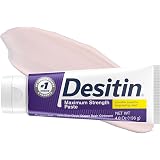
Barrier creams, often containing zinc oxide or petrolatum, are widely utilized for both prevention and treatment. Zinc oxide acts as an astringent and a mild antiseptic, while petrolatum creates a protective, water-repellent layer. It is advised that these products be applied generously to clean, dry skin at every diaper change, forming a visible layer of protection. Wipes used for cleaning should also be fragrance-free and alcohol-free to avoid exacerbating any existing irritation.
Strategic Brand Choices and Simple Routines
The video highlights trusted brands such as Aveeno Baby, Mustela, and Cetaphil Baby, each offering distinct advantages. Aveeno Baby’s formulations often leverage colloidal oatmeal, recognized for its anti-inflammatory and soothing properties. Mustela frequently incorporates natural origin ingredients, focusing on respecting the physiological characteristics of infant skin. Cetaphil Baby, rooted in dermatological science, provides mild, non-irritating options particularly suited for dry and sensitive skin. These brands are often dermatologist-tested and pediatrician-recommended, aligning with expert consensus on gentle baby care products.
As parents on Reddit often recommend, keeping baby skincare routines simple is generally the most effective approach. Over-layering numerous products can sometimes introduce unnecessary chemicals or lead to ingredient interactions that irritate sensitive skin. A minimalist approach, focusing on gentle cleansing, thorough drying, consistent moisturizing, and diligent diaper care, typically yields the best outcomes for a baby’s delicate complexion. Patch testing any new product on a small area of skin before widespread application can also help identify potential sensitivities.
Navigating Newborn Essentials: Your Product Questions Answered
Why is a newborn’s skin so delicate?
A newborn’s skin is much thinner and more permeable than adult skin. This means it can absorb substances more easily and lose moisture quickly, making it prone to dryness and irritation.
What types of ingredients should I avoid in baby skincare products?
It’s best to avoid common irritants like parabens, phthalates, sulfates, synthetic dyes, and alcohol in baby skincare products, as these can disrupt a baby’s delicate skin barrier or cause irritation.
How often and for how long should I bathe my newborn?
Newborns should have brief, lukewarm baths, typically lasting 5-10 minutes, to avoid stripping their skin of natural oils.
Why is moisturizing important for my baby’s skin?
Moisturizing helps to replenish your baby’s skin’s lipid barrier and lock in hydration. This is crucial because a newborn’s skin tends to lose water more easily than adult skin.
What are some key steps to prevent diaper rash?
To prevent diaper rash, change diapers frequently and apply a generous layer of barrier cream, such as one with zinc oxide or petrolatum, to clean, dry skin at each change.