Navigating the initial weeks with a newborn often feels like an expedition into uncharted territory, filled with unexpected discoveries and a flurry of questions. For instance, studies indicate that a significant number of new parents express concerns about their baby’s skin peeling in the first week or two, a completely normal physiological process. This comprehensive guide, complementing the expert insights provided in the accompanying video, delves deeper into the often-surprising aspects of newborn care, offering practical advice and dispelling common anxieties.
Understanding Your Baby’s Delicate Skin Health
The transition from the womb to the outside world initiates several natural changes in a newborn’s skin, often causing alarm for first-time parents. These phenomena, while peculiar, are typically benign and signify healthy development. Consequently, a deeper understanding of these conditions empowers parents to respond appropriately.
Flaky Skin and Baby Acne Explained
Many newborns, particularly those born after their due date, experience a natural shedding of their outermost skin layer during the initial one to two weeks. This phenomenon, which causes skin to appear flaky or peeling, results from the baby adjusting from a fluid-filled environment to a drier atmosphere. While it typically resolves independently, applying a fragrance-free baby ointment or lotion can provide comfort, though it should be avoided on the face where sensitivity is heightened.
Conversely, baby acne, characterized by tiny red bumps, commonly emerges between two to six weeks of age. This condition is primarily attributed to residual maternal hormones stimulating the baby’s oil glands. These transient breakouts generally clear spontaneously by approximately two months, negating the need for active treatment, scrubbing, or popping, which could exacerbate the irritation. Imagine if adult acne could resolve itself so simply!
Furthermore, recognizing the nuances between various infant skin conditions is paramount for effective newborn care. While flaky skin and baby acne are usually harmless, other rashes might warrant a pediatrician’s evaluation. Persistent redness, widespread bumps, or signs of discomfort accompanying a rash indicate a need for professional medical advice to rule out more serious conditions.
Essential Eye and Nose Care for Infants
Infants frequently exhibit symptoms such as goopy eyes or stuffy noses, which can distress parents. These common occurrences are usually minor and resolvable with simple, gentle interventions. Proper infant hygiene around these sensitive areas is crucial.
Addressing Blocked Tear Ducts
A significant percentage of newborns experience blocked tear ducts, where the small channel draining tears from the eye to the nose has not fully opened. This condition manifests as a watery eye, crusting, or a yellow discharge, frequently affecting only one eye. While it generally resolves spontaneously between six and twelve months of age, parents can facilitate the process with a technique known as the Crigler massage. This gentle maneuver involves placing a clean finger at the inner corner of the eye, where it meets the bridge of the nose, and stroking downwards along the nose with light pressure. Performing this five to ten strokes, two to four times daily, can encourage proper drainage. However, if the eye exhibits redness, swelling, or green discharge, immediate consultation with a pediatrician is essential to prevent potential infection.
Managing Stuffy Noses in Newborns
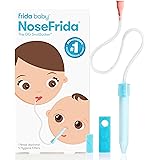
Stuffy noses are exceedingly common in all newborns, particularly in C-section babies who do not experience the birth canal’s fluid-squeezing action. If your baby eats and sleeps without significant disturbance, no intervention is required. However, if congestion impedes feeding or sleep, a combination approach can be beneficial. Initially, saline drops help to loosen mucus effectively. If discomfort persists, gentle suctioning with a bulb syringe or nasal aspirator may be employed. It is imperative to use suction sparingly and only when necessary to avoid irritating the delicate nasal passages.
Bathing and Umbilical Cord Management
Establishing a gentle bathing routine and understanding proper umbilical cord care are fundamental aspects of newborn care. These practices promote hygiene and prevent complications during a critical developmental period.
Navigating Newborn Bathing Techniques
Contrary to popular belief, newborns do not require daily baths; sponge baths suffice until the umbilical cord stump detaches, typically within one to three weeks. Following cord detachment, bathing two to three times per week is adequate, though more frequent baths can be incorporated if they aid in a soothing or bedtime routine. Always monitor your baby’s skin for dryness, and select baby-approved, fragrance-free products designed for sensitive skin.
For the first full bath, fill a baby tub with approximately two to three inches of warm water, testing the temperature with your wrist or elbow. A common technique involves lowering the baby into the tub bottom-first, preventing a startled reaction from sudden cold water exposure. Support their head and neck with one hand while gently easing them in. Subsequently, continuously pour warm water over their chest and tummy with a cup or washcloth to help regulate their temperature and maintain calmness. If your baby dislikes bath time, consider a “swaddle bath”: loosely wrap your baby in a thin muslin blanket, lower them into the warm water while wrapped, then gently unwrap and wash one limb at a time, re-wrapping as you proceed. This method mimics the security of the womb, fostering a more relaxed experience. Utilize a mild, fragrance-free cleanser only once or twice a week, concentrating on areas prone to dirt accumulation such as neck folds, underarms, hands, and the diaper zone. After bathing, gently lift your baby, wrap them in a warm towel, and pat dry, paying close attention to all creases where moisture might linger. Finally, moisturize with a fragrance-free ointment, which offers superior hydration compared to lotions. It is crucial to avoid bubble baths, as they can irritate delicate newborn skin and potentially cause vaginal irritation in baby girls.
Expert Guidance for Umbilical Cord Stump Care
The umbilical cord stump, a shriveled remnant of your baby’s lifeline, naturally dries and detaches, typically within one to three weeks, though it can occasionally take up to two months. Until detachment, keeping the stump dry is paramount; gently pat it dry with a clean towel if it becomes wet. Furthermore, folding the diaper down prevents friction and allows air circulation, facilitating healing. Upon detachment, minor bleeding, crusting, or yellow discharge are normal occurrences, representing the body’s natural cleanup process. While some odor is expected, akin to a healing scab, a foul smell, spreading redness, pus, or signs of discomfort upon touching the area warrant immediate consultation with your pediatrician, as these are potential indicators of infection.
Following the stump’s detachment, some babies develop an umbilical granuloma—a soft, pinkish, gooey lump that may ooze. This benign condition arises when the body over-heals, producing extra tissue at the site. If the granuloma persists and remains gooey, a pediatrician can easily treat it in the office using silver nitrate. This procedure, which involves dabbing a chalky substance onto the granuloma, is painless and effectively resolves the issue, metaphorically “resetting” the belly button. Consequently, persistent goo merits a professional assessment, not panic.
Comprehensive Daily Infant Hygiene
Beyond bathing and cord care, daily attention to nails, skin folds, and the diaper area is vital for your baby’s comfort and health. These often-overlooked aspects of newborn care significantly contribute to overall well-being.
Managing Rapidly Growing Newborn Nails
Newborn nails grow surprisingly quickly and can be quite sharp, often leading to accidental scratches on their delicate faces. It is advisable to file or clip them whenever they appear long, rather than adhering to a strict weekly schedule, to minimize these visible, though typically harmless, marks. A strategic tip involves performing nail care after a bath, when nails are softer and less prone to cracking. For parents who are nervous about clipping, a baby nail file or a gentle electric baby nail trimmer provides a safer, albeit slower, alternative. Accidental nicks to the skin, while common and often appearing dramatic with more blood than expected, usually heal without complication. Clean the area gently, monitor it, and contact your pediatrician if you have any concerns.
Attention to Skin Folds and Diaper Area Care
Hidden within your baby’s neck folds, behind the ears, and under the arms, you might discover white, waxy residue, typically vernix or other skin gunk from their time in utero. Gently cleaning these areas during bath time with no scrubbing is sufficient. However, if a skin fold appears red, raw, emits a yeasty or sour smell, or exhibits small bumps or irritation, it could indicate a rash or an early yeast infection. These warm, moist environments are ideal breeding grounds for irritation if not thoroughly cleaned and patted dry. Therefore, frequent checking and meticulous drying of these creases are imperative. If any doubt arises, consult your pediatrician promptly.
Diaper area care also requires specific attention depending on your baby’s anatomy. For girls, always wipe from front to back to prevent urinary tract infections by avoiding the transfer of fecal particles to the vagina. Gently spread the labia to clean away any stool, but avoid aggressive scrubbing. For circumcised boys, applying a small dab of Vaseline on a two-by-two-inch gauze with each diaper change for the first week or so helps protect the healing area and prevents the diaper from sticking to the delicate skin. For uncircumcised boys, never force the foreskin back; simply clean the outside like any other body part. As they mature, the foreskin will naturally retract, and only then should you clean what is easily accessible without force.
Your Newborn Questions: Unraveling the Weird and Wonderful
Is it normal for my newborn’s skin to peel or look flaky?
Yes, it is very common for newborns to have flaky or peeling skin in the first one to two weeks as they adjust from a fluid-filled environment to a drier atmosphere. This phenomenon typically resolves independently.
What causes baby acne and how should I treat it?
Baby acne, characterized by tiny red bumps, commonly emerges between two to six weeks due to residual maternal hormones. These breakouts generally clear spontaneously by approximately two months without needing active treatment.
My baby has a watery, crusty eye; what could this be?
This is often a sign of a blocked tear duct, where the channel draining tears hasn’t fully opened, and it commonly resolves on its own. You can gently massage the inner corner of the eye to encourage drainage, but consult a pediatrician if you see redness or green discharge.
How often should I bathe my newborn, especially before their umbilical cord falls off?
Newborns do not require daily baths; sponge baths are sufficient until the umbilical cord stump detaches, usually within one to three weeks. After the cord falls off, bathing two to three times per week is adequate.
How should I care for my baby’s umbilical cord stump?
It’s important to keep the umbilical cord stump dry and fold the diaper down to prevent friction and allow air circulation. The stump will naturally dry and detach, typically within one to three weeks.