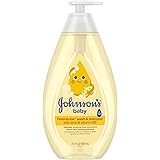
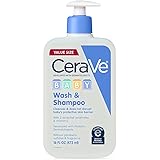
As new parents, we all want the best for our little ones. I vividly remember the overwhelming feeling of walking down the baby aisle, staring at countless products, each promising to be the ‘best’ for my child. It’s a journey filled with love, joy, and a fair share of worries, especially when it comes to their delicate skin. Just as our expert dermatologist explains in the video above, selecting the right products for your baby is incredibly important, a decision that can significantly impact their comfort and health. Using the wrong items can quickly lead to irritated and sensitive baby skin, causing discomfort for your little one.
Understanding the unique nature of newborn and infant skin is the first step in making informed choices. A baby’s skin is remarkably different from an adult’s, being much thinner, more permeable, and still developing its protective barrier. This makes it far more susceptible to dryness, irritation, and allergic reactions from harsh chemicals or fragrances found in many common products. Therefore, prioritizing gentle, fragrance-free, and hypoallergenic options for your baby’s skincare routine is not just a recommendation but a necessity.
Understanding Sensitive Baby Skin
Baby skin is truly unique; it’s five times thinner than adult skin and lacks the fully developed protective barrier. This immaturity makes it highly susceptible to environmental factors, irritants, and allergens. Newborns, in particular, have skin that is still adapting to the world outside the womb, often showing signs of dryness or flakiness. Their skin also has a higher surface area to body weight ratio, meaning any substances applied topically are absorbed more readily into their system.
Common issues like eczema, diaper rash, cradle cap, and general dryness are frequently observed in infants. These conditions can be exacerbated by inappropriate skincare products that strip natural oils, introduce harsh chemicals, or trigger allergic responses. For these reasons, choosing gentle baby products becomes a paramount concern for parents. The goal is always to support the skin’s natural development without introducing potential irritants, ensuring your baby’s skin remains soft, healthy, and protected.
Decoding Product Labels: What to Look For in Baby Skincare Products
The expert advice in the video emphasizes checking product labels for specific taglines, and for good reason. Understanding what these terms mean is crucial when you are trying to find suitable sensitive baby skin products. Knowing what to look for can simplify the shopping process and give you peace of mind that you’re making the best choices for your child’s delicate skin.
Gentle Formulations for Newborn Skin Care
The term “gentle” is a cornerstone of baby skincare, indicating that a product is formulated to be mild and non-irritating. Gentle baby products are typically free from harsh soaps, sulfates, and strong cleansing agents that can strip the skin’s natural moisture. These formulations aim to cleanse without disrupting the skin’s delicate pH balance or compromising its developing barrier. When you see ‘gentle’ on a label, it suggests the product is designed for minimal irritation, suitable even for the most sensitive skin types. For example, a gentle baby wash might use plant-derived surfactants instead of stronger chemical ones.
Fragrance-Free: A Must for Sensitive Baby Skin Products
One of the most common culprits for baby skin irritation is fragrance. Even natural fragrances, derived from essential oils, can be potent allergens for sensitive skin. A product labeled “fragrance-free” contains no added perfumes or masking agents to cover up chemical odors. This is distinct from “unscented,” which might still contain chemicals to neutralize odors without adding a detectable scent. Opting for fragrance-free baby products significantly reduces the risk of allergic reactions, rashes, and dryness, making them an ideal choice for infant skin health.
Hypoallergenic: Minimizing Allergic Reactions
The term “hypoallergenic” signifies that a product has been formulated to minimize the potential for allergic reactions. While it doesn’t guarantee that a reaction won’t occur, it means the product has been tested and is less likely to cause allergies in sensitive individuals. Products bearing this label typically avoid common allergens and harsh chemicals known to trigger skin sensitivities. This makes hypoallergenic baby products a safer bet for babies prone to eczema, rashes, or other skin conditions, offering parents an extra layer of reassurance. It’s an important consideration when choosing baby products, particularly for those with known sensitivities.
Key Ingredients to Prioritize for Healthy Infant Skin
Beyond the primary labels, diving deeper into the ingredient list can further empower your decisions. Certain ingredients are particularly beneficial for maintaining a baby’s healthy skin and alleviating common issues. Look for these nourishing components when selecting baby skincare products.
-
Ceramides: These are lipids naturally found in the skin that help form its protective barrier. Products containing ceramides can help restore and strengthen a baby’s skin barrier, crucial for preventing moisture loss and protecting against environmental irritants. They are excellent for dry baby skin and conditions like eczema.
-
Glycerin: A humectant, glycerin draws moisture from the air into the skin, helping to keep it hydrated and soft. It’s a very common and safe ingredient in many gentle baby products, including lotions and washes, known for its effectiveness in moisturization.
-
Petrolatum and Mineral Oil: Often misunderstood, these ingredients are highly effective emollients that create a protective barrier on the skin’s surface. They are non-comedogenic (won’t clog pores) and rarely cause allergic reactions, making them excellent for locking in moisture and protecting against irritation, especially in diaper rash creams.
-
Shea Butter and Cocoa Butter: Natural emollients known for their rich moisturizing properties. They are often found in baby lotions and balms, providing deep hydration and helping to soothe dry, irritated skin. Always ensure they are in fragrance-free formulations.
-
Zinc Oxide: This mineral is a staple in diaper rash creams due to its soothing, protective, and anti-inflammatory properties. It creates a barrier that shields the skin from moisture and irritants, promoting healing of delicate baby skin.
Ingredients to Avoid in Baby Skincare Products
Just as important as knowing what to look for is understanding what to avoid. Certain ingredients can be particularly detrimental to sensitive baby skin, potentially causing irritation, dryness, or allergic reactions. Being vigilant about the ingredient list can protect your baby from unnecessary discomfort.
-
Artificial Fragrances and Dyes: As mentioned, these are top triggers for skin irritation and allergies. They add no therapeutic benefit and pose significant risks to infant skin health. Always prioritize fragrance-free and dye-free options.
-
Parabens: These preservatives (e.g., methylparaben, propylparaben) have raised concerns due to their potential to disrupt hormones, although the evidence for human effects is still debated. Many parents prefer to avoid them in sensitive baby skin products as a precautionary measure.
-
Phthalates: Often found in synthetic fragrances, phthalates are also endocrine disruptors. Avoiding products with artificial fragrances naturally helps to avoid phthalates, further safeguarding your baby’s development.
-
Sulfates (SLS/SLES): Sodium Lauryl Sulfate (SLS) and Sodium Laureth Sulfate (SLES) are common foaming agents found in many washes and shampoos. They can be very harsh, stripping natural oils from the skin and leading to dryness and irritation. Opt for sulfate-free cleansers for newborn skin care.
-
Formaldehyde-releasing Preservatives: Ingredients like quaternium-15, DMDM hydantoin, and imidazolidinyl urea can release small amounts of formaldehyde, a known allergen and skin irritant. These should be avoided, especially for babies with eczema or highly sensitive skin.
-
Ethanolamines (MEA, DEA, TEA): These can be found in some baby washes and shampoos. They can be irritating to the skin and eyes and may create nitrosamines when combined with other ingredients, which are potential carcinogens. Many prefer to avoid them in baby skincare products.
Beyond Products: Holistic Tips for Sensitive Baby Skin Care
While choosing the right sensitive baby skin products is fundamental, a holistic approach to infant skin health involves more than just what you apply topically. Several daily practices can significantly support your baby’s delicate skin and minimize irritation. Integrating these habits into your routine can further enhance your baby’s comfort and well-being.
Bathing Best Practices for Newborn Skin Care
Bathing is essential, but over-bathing or using excessively hot water can strip the skin of its natural oils, leading to dryness and irritation. Aim for short, lukewarm baths, typically no more than 5-10 minutes, using only a small amount of a gentle, fragrance-free baby wash. For newborns, a full bath every 2-3 days is often sufficient; spot cleaning is fine in between. Always gently pat your baby dry afterwards, rather than rubbing, and apply moisturizer immediately to lock in hydration.
Moisturizing: A Daily Ritual for Infant Skin Health
Consistent moisturization is perhaps the most critical step in caring for sensitive baby skin. Applying a generous amount of a fragrance-free, hypoallergenic baby lotion or cream immediately after baths and at least once more during the day helps to fortify the skin barrier. This routine replenishes lost moisture and creates a protective layer against external irritants. For babies with extremely dry skin or eczema, a thicker ointment or balm might be recommended by a dermatologist.
Diaper Changes: Preventing Irritation and Rashes
Frequent diaper changes are vital for preventing diaper rash, a common form of skin irritation in infants. Always change wet or soiled diapers promptly to minimize prolonged contact with moisture and waste. Gently clean the diaper area with plain water or a fragrance-free baby wipe. Allow the skin to air dry for a few minutes whenever possible before applying a protective barrier cream containing zinc oxide or petrolatum. This proactive approach significantly reduces the chances of developing uncomfortable rashes on your baby’s delicate skin.
Laundry Care for Sensitive Baby Skin
Even your baby’s clothing and bedding can impact their skin health. Use a gentle, fragrance-free laundry detergent specifically designed for sensitive skin when washing all items that come into contact with your baby. Avoid fabric softeners and dryer sheets, as these often contain dyes and fragrances that can linger on fabric and irritate sensitive baby skin. Double rinsing laundry can also help ensure all detergent residue is removed, further protecting your baby from potential irritants.
Sun Protection and Outdoor Play
A baby’s skin is extremely vulnerable to sun damage, so strict sun protection is crucial. For infants under six months, direct sun exposure should be avoided entirely. Keep them in the shade, dressed in lightweight, protective clothing, and use wide-brimmed hats. For babies over six months, a small amount of broad-spectrum mineral-based sunscreen (containing zinc oxide or titanium dioxide) can be applied to small areas of exposed skin, alongside protective clothing. This helps prevent sunburn and long-term skin damage to your baby’s skin.
By adopting these comprehensive care practices, alongside diligently choosing the right sensitive baby skin products, you can ensure your little one’s skin remains healthy, comfortable, and well-protected. Always consult with your pediatrician or a dermatologist if you have specific concerns about your baby’s skin conditions or product choices.
Gentle Answers for Delicate Skin: Your Sensitive Baby Skincare Q&A
Why is baby skin more sensitive than adult skin?
Baby skin is much thinner, more permeable, and still developing its protective barrier. This makes it more susceptible to dryness, irritation, and allergic reactions from various products and environmental factors.
What three main qualities should I look for in baby skincare products?
You should prioritize products that are ‘gentle,’ ‘fragrance-free,’ and ‘hypoallergenic.’ These terms indicate that products are formulated to be mild and minimize the risk of irritation or allergic reactions.
What is the difference between “fragrance-free” and “unscented” products?
“Fragrance-free” means a product contains no added perfumes or masking agents to cover odors. “Unscented” might still have chemicals to neutralize odors without adding a detectable scent, so ‘fragrance-free’ is generally safer for sensitive skin.
What are some common ingredients I should try to avoid in baby products?
It’s best to avoid artificial fragrances, dyes, sulfates (like SLS/SLES), and parabens. These ingredients can often cause irritation, dryness, or allergic reactions in sensitive baby skin.
What is a simple tip for bathing and moisturizing a baby with sensitive skin?
Use short, lukewarm baths (5-10 minutes) with a gentle, fragrance-free baby wash, and always pat your baby dry. Immediately apply a generous amount of fragrance-free, hypoallergenic lotion or cream afterward to lock in moisture.