Many new parents feel overwhelmed. The idea of learning how to bathe a baby can be daunting. Concerns about safety and comfort are very common. This comprehensive guide, complementing the video above, helps demystify the process. Essential steps for a successful baby bath are clearly laid out.
Essential Preparations for a Safe and Soothing Baby Bath
Before any water touches your little one, thorough preparation is key. A calm and efficient baby bath routine benefits everyone involved. Gathering all necessary items beforehand is crucial. This step ensures continuous attention on your infant. Preparing to bathe a baby thoughtfully makes a big difference.
Selecting the Right Baby Bather for Infant Care
The video wisely highlights using a good baby bather. This essential item safely supports your baby. It effectively prevents any slips or wobbles. Offering consistent stability is its primary function. Different styles are readily available for varying needs.
Infant bath tubs provide a contoured, secure seat. They fit well in most standard tubs. Bath seats can be placed into a regular adult bathtub. Slings are designed to fit inside sinks or larger tubs. Choose one that best fits your specific space. Consider also your personal comfort when you bathe a baby.
Achieving the Perfect Water Temperature for Baby Bathing
Water temperature is critically important for newborns. A baby’s sensitive skin can easily burn with hot water. Conversely, water that is too cool can cause hypothermia. The elbow test, as shown in the video, offers a good initial check. However, more precision is often desired when you bathe a baby.
Ideal bath water feels comfortably warm, not hot. It should never feel scalding to your forearm or wrist. A reliable bath thermometer offers greater accuracy. Aim for a temperature between 98.6 to 100 degrees Fahrenheit (37 to 37.8 degrees Celsius). This precise range ensures optimal infant comfort. It also promotes a safer bathing environment for your newborn.
Gathering Your Essential Baby Bathing Supplies
Every single item should be within easy reach. This careful organization prevents needing to step away from your baby. Uninterrupted attention ensures a safe bathing experience. Gather your chosen essentials before the bath begins.
- Soft, clean washcloths are needed.
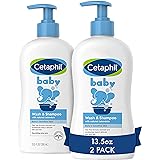
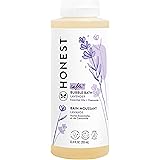
- Gentle, tear-free baby soap or shampoo is important.
- A clean, absorbent, hooded towel keeps warmth in.
- A fresh diaper and comfortable clothes are prepared.
- Cotton balls or pads may be useful for facial cleaning.
- A soft brush or comb can address cradle cap.
Consider the room temperature too. Ensure it is comfortably warm. A draft-free environment helps keep your baby cozy. This prevents any chilling during the bath time. Prepare everything before you bathe a baby.
Step-by-Step Guide to Bathe a Baby with Care
Once all preparations are complete, the actual baby bath begins. Gentle handling and constant vigilance are always required. Each step prioritizes your baby’s comfort and overall safety. This creates a positive experience for your newborn. Knowing how to bathe a baby correctly is reassuring.
Starting the Baby Bath: Gradual Acclimatization
The video correctly suggests starting with the legs. This gentle approach helps the baby adjust to the water. It makes the transition less startling for them. Gradual acclimatization is a key factor in a calm bath. Your baby will feel more secure. This method is effective when you bathe a baby.
Slowly lower your baby into the water. Ensure firm support for their head and neck throughout. Their bottom should touch the bather first. This provides a sense of grounding. Gentle splashes can be reassuring. Speak softly to your baby during this time. Reassuring words can calm them.
Washing the Body: Front, Back, and Delicate Areas
Warm liquid baby soap is rubbed between your palms. This technique effectively warms the product before application. It ensures a gentle, smooth spread on delicate skin. Harsh, cold soap can often surprise a baby. Always choose products designed for infants. This is crucial when you bathe a baby.
A soft, wet washcloth is used for cleaning. Begin with the baby’s torso and arms. Pay close attention to all skin folds. These areas, like armpits and neck creases, can trap moisture. They also accumulate dirt and lint. Then, the baby is turned gently onto their side. This allows safe access to the back and bottom. Ensuring all areas are thoroughly cleaned is vital. Maintain a secure grip throughout the entire washing process.
The Gentle Art of Washing Your Baby’s Head and Face
Washing the head requires very special care. Water must be kept safely from the baby’s eyes and ears. The video effectively demonstrates pouring water carefully. This precise method prevents irritation or discomfort. Use a cup with a soft edge.
Support your baby’s head well with one hand. Apply a small amount of tear-free baby shampoo. Massage it very gently into the scalp. Rinse by pouring water from the forehead backwards. A damp washcloth also works effectively for rinsing. If cradle cap is present, it can be gently loosened. A soft brush or comb helps with this. For the face, a clean, damp cotton ball or cloth is preferred. Wipe gently around the eyes and mouth. Avoid using soap on the face. This makes washing your baby’s head safer.
Ensuring Comfort and Sustained Safety During Newborn Bathing
Beyond the physical washing itself, comfort extends to the entire experience. Strict safety measures are absolutely non-negotiable. A positive and enjoyable routine is carefully fostered over time. This makes bath time a bonding experience. Learning to bathe a baby well takes practice.
Maintaining Optimal Warmth Throughout the Baby Bath
Babies lose body heat quite quickly. This rapid heat loss is due to their small size. Keep the bathing room comfortably warm before starting. A completely draft-free environment is strongly preferred. Lukewarm water should be replaced if it cools significantly. This prevents any risk of chilling or discomfort. A quick, efficient bath, lasting about 5-10 minutes, is usually best for infants.
Safety First: Never Leave Your Infant Unattended in Water
This critical rule cannot be overstated. Drowning can unfortunately occur in mere seconds. Even a very small amount of water poses a significant risk. Always keep at least one hand on your baby throughout the bath. If you must leave the room, even for a moment, take your baby with you. Ensure all bath items are within your arm’s reach. This vigilance protects your little one when you bathe a baby.
Post-Bath Care for Your Baby’s Sensitive Skin
After the baby bath, gentle drying is truly essential. Pat your baby’s skin dry with a soft, clean towel. Rubbing can easily irritate delicate infant skin. Pay extra attention to all creases and folds. These include neck folds and groin areas. A light layer of hypoallergenic moisturizer helps. This effectively locks in vital hydration. It protects and strengthens the baby’s developing skin barrier. Choose fragrance-free products.
Dress your baby quickly and warmly to maintain comfort. A hooded towel is very useful immediately after rinsing. It covers their wet head rapidly. Comfort after a bath is just as important as during. This completes the gentle and safe baby bathing routine. Establishing this routine creates lasting positive memories for you and your baby. Knowing how to bathe a baby properly builds confidence.
Making a Splash: Your Baby Bathing Questions Answered
What essential items should I gather before bathing my baby?
Before bathing your baby, gather soft washcloths, gentle baby soap or shampoo, a hooded towel, a clean diaper and clothes, and a baby bather for support. Make sure everything is within easy reach.
What is the perfect water temperature for a baby’s bath?
The ideal bath water temperature for a baby is between 98.6 to 100 degrees Fahrenheit (37 to 37.8 degrees Celsius). It should feel comfortably warm, not hot, to your forearm, and using a bath thermometer is recommended for accuracy.
How do I safely wash my baby’s head and face?
Support your baby’s head well and gently massage a small amount of tear-free shampoo into the scalp, rinsing carefully from the forehead backwards to avoid eyes and ears. For the face, use a clean, damp cotton ball or cloth and avoid soap.
What is the most important safety rule when bathing a baby?
The most critical safety rule is to never leave your baby unattended in water, even for a second, as drowning can occur very quickly. Always keep at least one hand on your baby throughout the bath.