As highlighted in the accompanying video, the initial months of a baby’s life are characterized by an extraordinary pace of physical and neurological development. Data indicates that infants experience rapid growth in motor skills, sensory processing, and cognitive abilities during this period, forming the foundational architecture for future learning and movement. Given this crucial developmental window, parental choices regarding baby gear and daily interactions are considered to be highly influential.
While an abundance of products and practices exists within the parenting landscape, not all are conducive to optimal infant well-being. This article will delve into five common parental actions and products that, despite their widespread use, have been shown to potentially impede healthy **baby development**. An evidence-based approach is utilized to illuminate the implications of these practices, offering insights into fostering robust musculoskeletal and neurological maturation.
Optimizing Baby Development: Addressing Suboptimal Babywearing Practices
Improper babywearing, particularly the forward-facing orientation, is frequently observed. When an infant is positioned facing away from the caregiver, their legs are often left dangling straight down, with the hips adducted and extended. This posture is recognized as being detrimental to immature hip joints, which are notably cartilaginous and susceptible to external forces during the first six months of life.
The unsupported leg position can elevate the risk of developmental hip dysplasia, a condition characterized by an abnormal formation of the hip socket (acetabulum) where it fails to adequately cover the ball of the thigh bone (femoral head). Such an anatomical misalignment is known to potentially lead to hip instability or dislocation. Furthermore, a forward-facing posture can exert undue pressure on the infant’s still-developing spine, compromising its natural C-curve and potentially impacting core stability.
Conversely, inward-facing babywearing, with the infant positioned towards the caregiver, is widely advocated. In this configuration, the infant’s legs are typically maintained in an ‘M’ shape, wherein the knees are slightly elevated above the hips, and the hips are flexed and abducted. This ‘M’ position is considered to be biomechanically optimal, as it promotes natural hip joint development by ensuring the femoral head is securely seated within the acetabulum. Additionally, the inward-facing stance supports the natural curvature of the infant’s spine, facilitating proper musculoskeletal alignment and encouraging a neutral spinal position.
Enhancing Infant Mobility: Scrutinizing Developmentally Inappropriate Baby Gear
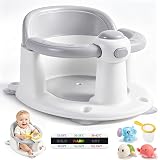
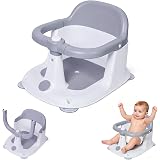
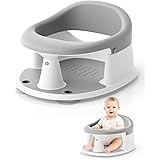
The market for infant seating and activity equipment is extensive; however, not all options are designed with optimal infant physical development in mind. Certain widely used infant seats, such as those with a lowered back where the baby’s bottom rests, are often observed to tilt the infant’s pelvis posteriorly. This pelvic tilt can induce a slouched posture, thereby discouraging proper core engagement and potentially hindering the development of abdominal and back musculature crucial for sitting independence.
Moreover, the design of some seats features narrow leg holes that force the infant’s legs into an adducted position. This unnatural leg alignment is considered suboptimal for the developing hip joints, potentially exacerbating issues related to hip stability and range of motion. For instance, the Upseat, a notable alternative, has been specifically engineered under the guidance of physical therapists to promote a forward pelvic tilt and a wider, more natural stance for the infant’s legs, thereby supporting healthier posture and core strength.
Beyond stationary seats, items like jumpers, activity centers, and traditional walkers are frequently utilized. The fabric seats in jumpers and activity centers typically do not provide sufficient spinal and hip support, allowing for an unsupported, slouched position that can compromise proper musculoskeletal development. Walkers, particularly those that allow a baby to sit and scoot, are not only ineffective in teaching independent walking but are also associated with significant injury risks, leading to their non-recommendation by the American Academy of Pediatrics (AAP).
Certain studies even suggest that the use of sit-in walkers may delay the onset of independent walking and can diminish an infant’s intrinsic motivation to develop critical motor skills. Push-walkers, while generally safer, are still best introduced once an infant is already proficient in standing and taking independent steps. Prolonged or premature use of any such equipment is advised to be limited, with recommendations often suggesting no more than 15 minutes, two to three times per day, to prioritize unrestricted floor time. Unstructured floor play, including tummy time and opportunities for rolling and crawling, is considered paramount for fostering gross motor skill acquisition and spatial awareness.
Promoting Sensory Integration: The Overlooked Impact of Baby Mittens
The practice of routinely dressing infants in mittens, primarily to prevent self-scratching, is common. However, the hands play a profoundly significant role in an infant’s sensory and cognitive development. Neonates utilize their hands extensively to explore their environment, processing tactile information, distinguishing textures, and understanding object properties.
Sensory input received through the hands is critical for the development of fine motor skills, hand-eye coordination, and self-regulation. Furthermore, hand-to-mouth exploration is an integral component of oral motor development and contributes to the establishment of a healthy oral microbiome, as beneficial bacteria are transferred from the infant’s hands and caregivers’ skin. Mittens, by restricting this vital sensory engagement, can inadvertently hinder these developmental processes. While occasional use to prevent scratches is acceptable, continuous wear is generally not recommended.
Facilitating Proprioceptive Development: Reconsidering Infant Footwear
Similar to the hands, an infant’s feet are essential sensory organs that contribute significantly to their exploration of the world and their proprioceptive development—the sense of one’s own body position and movement. The sole of the foot contains numerous nerve endings that transmit critical sensory information to the brain regarding texture, temperature, and pressure, which is vital for learning balance, coordination, and gait patterns.
Wearing shoes, particularly rigid, hard-soled varieties, can impede this natural sensory feedback. Such footwear often restricts the movement of the intricate bones and muscles in the foot, which are designed to articulate and adapt to varying surfaces. This immobility can detrimentally affect the development of arch support, foot strength, and the sensory integration necessary for milestones such as rolling, crawling, and eventually walking. Barefoot exposure, in safe environments, is widely supported by pediatric physical therapists for optimizing foot development and motor skill acquisition.
When footwear is deemed necessary, choices should prioritize soft, flexible, and wide-toed options that allow for maximal foot mobility and sensory input. Moccasins, for instance, are often cited as a suitable choice due to their pliable soles and generous toe box, which accommodate the natural splay of an infant’s toes. The emphasis is typically placed on allowing unrestricted movement for optimal **baby development**.
Your Questions for Better Baby Development
What is the best way to carry my baby in a carrier?
It is best to carry your baby facing inward towards you, making sure their legs are in an ‘M’ shape with their knees slightly higher than their hips. This position supports healthy hip and spine development.
Are all infant seats and walkers good for my baby’s development?
No, many common infant seats and traditional walkers can actually hinder development by promoting a slouched posture or restricting natural movement. Unstructured floor play is often more beneficial for developing core strength and motor skills.
Why shouldn’t my baby wear mittens constantly?
Your baby’s hands are crucial for exploring their environment, which helps develop sensory processing, fine motor skills, and hand-eye coordination. Constant mitten use can restrict this vital engagement.
Should my baby wear shoes frequently when they are very young?
For optimal development, it’s best for babies to be barefoot in safe environments. This allows their feet to receive important sensory feedback needed for learning balance and coordination.