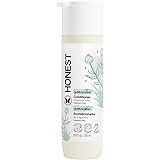
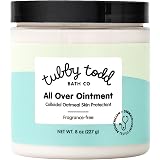
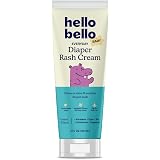
The journey of parenthood is filled with immense joy and, often, a fair share of concerns. Protecting your little one from the myriad of challenges, especially those related to health and hygiene, becomes a top priority. As highlighted in the accompanying video, the demand for effective yet gentle solutions for
baby health and hygiene
is ever-present. Parents universally seek products that are both formidable against germs and incredibly kind to delicate infant skin. This comprehensive guide delves deeper into the crucial aspects of maintaining your baby’s well-being through thoughtful hygiene practices and the smart selection of natural ingredient-based products.Why Is Baby Health and Hygiene So Critically Important?
Infants, with their developing immune systems, are particularly vulnerable to infections and environmental irritants. Unlike adults, their bodies are still learning to build defenses against bacteria, viruses, and allergens. Therefore, establishing a robust
baby health and hygiene
routine from day one is not just good practice; it is fundamental to their healthy growth and development. Every touch, every bath, and every product choice plays a significant role in safeguarding their fragile systems.Understanding Your Baby’s Developing Immune System
A newborn’s immune system is immature. It relies on antibodies passed from the mother during pregnancy and through breast milk, offering passive immunity. Over the first few months and years, a baby’s own immune system gradually strengthens, learning to identify and combat pathogens. Consequently, exposure to harmful germs without proper protection can overwhelm these nascent defenses, leading to illnesses. Prioritizing cleanliness helps minimize unnecessary exposure, allowing their immune system to develop at its own pace without constant battles.
The Undeniable Power of Natural Ingredients in Baby Care
The call for products with
natural ingredients
for babies is growing louder, and for good reason. Parents are increasingly aware of the potential for harsh chemicals, synthetic fragrances, and artificial dyes to irritate sensitive skin or even pose longer-term health risks. Natural ingredients, derived from plants and minerals, often offer a gentler approach to cleansing and moisturizing, aligning perfectly with a baby’s needs.Benefits for Sensitive Baby Skin
A baby’s skin is five times thinner than an adult’s. It is more permeable and prone to dryness, rashes, and allergic reactions. Products formulated with natural ingredients such as aloe vera, chamomile, calendula, and oat extract are celebrated for their soothing, anti-inflammatory, and moisturizing properties. These ingredients work in harmony with the skin’s natural barrier, helping to maintain its integrity without causing irritation.
Avoiding Harsh Chemicals and Irritants
Many conventional baby products may contain ingredients like parabens, phthalates, sulfates, and synthetic fragrances. While these might offer convenience or a pleasant scent, they can be potential irritants for a baby’s delicate skin and respiratory system. Opting for
gentle products
free from these compounds significantly reduces the risk of adverse reactions, ensuring that your baby’s skin remains soft, healthy, and protected.Battling Germs: Essential Hygiene Practices for Infants
While natural ingredients contribute to skin health, diligent hygiene practices are the primary weapon against germs. A proactive approach to
germ protection
is vital for your infant’s well-being. Simple, consistent routines can make an enormous difference in preventing common illnesses.Hand Washing: A First Line of Defense
Before touching your baby, changing diapers, or preparing food, always wash your hands thoroughly with soap and water for at least 20 seconds. This simple act is perhaps the most effective way to prevent the transfer of germs. Encourage all caregivers and family members to adopt this habit rigorously. Furthermore, ensure your baby’s hands are gently cleaned regularly, especially as they begin to explore and put things in their mouth.
Bathing Best Practices for Your Infant
Bathing your baby serves multiple purposes: it cleanses their skin, provides sensory stimulation, and can be a wonderful bonding experience. Use lukewarm water and a mild, natural baby wash. Limit bath time to 5-10 minutes to prevent skin dryness. After bathing, gently pat the skin dry with a soft towel, paying close attention to skin folds, and apply a natural, fragrance-free moisturizer to lock in hydration. A regular bathing routine supports overall
infant care
.Diaper Hygiene and Rash Prevention
Diaper changes are a constant part of infant care, and proper technique is crucial to prevent diaper rash. Change diapers frequently, as soon as they are wet or soiled. Clean the diaper area thoroughly with gentle, natural baby wipes or a soft cloth moistened with water. Allow the skin to air dry for a few moments before applying a protective barrier cream, particularly one with zinc oxide or petroleum jelly. This proactive step creates a barrier against moisture and irritants.
Keeping the Environment Clean
A baby’s immediate environment directly impacts their health. Regularly clean and disinfect high-touch surfaces such as changing tables, crib railings, toys, and floors. Use non-toxic, baby-safe cleaning products. Launder baby clothes, bedding, and towels frequently with a mild, hypoallergenic detergent. These practices ensure that your baby spends time in a clean and safe space, reducing their exposure to germs and allergens.
Choosing the Right Products for Your Little Angel
When selecting baby products, from washes and lotions to wipes and oils, being informed is key. The market is saturated with options, but a discerning eye can help you find products that truly support
newborn care
and health, echoing the sentiment of the video that “little angels need a little more care.”Understanding Product Labels and Certifications
Educate yourself on common ingredient names and look for certifications from reputable organizations that guarantee products are free from harmful substances, are hypoallergenic, or are organic. Terms like “dermatologist-tested,” “pediatrician-recommended,” and “fragrance-free” are good indicators. However, always remember that even natural ingredients can cause reactions in highly sensitive individuals, so patch testing new products is a sensible precaution.
Hypoallergenic and Dermatologist-Tested Options
Opting for products labeled “hypoallergenic” or “dermatologist-tested” can provide an extra layer of reassurance. These products have undergone specific testing to minimize the risk of allergic reactions and ensure they are gentle enough for sensitive skin. This is particularly important for babies with a family history of allergies or eczema.
Specific Product Categories for Baby Health and Hygiene
- Baby Washes and Shampoos: Look for tear-free formulas with natural, mild surfactants that cleanse without stripping natural oils.
- Moisturizers and Lotions: Essential for preventing dry skin, especially after baths. Choose rich, natural formulations that absorb well.
- Baby Wipes: Select alcohol-free, fragrance-free wipes with moisturizing properties to clean effectively without irritation. Many brands offer
natural ingredient
wipes. - Diaper Creams: A necessary item for rash prevention and treatment. Opt for formulations with zinc oxide or calendula for soothing effects.
The commitment to comprehensive
baby health and hygiene
extends beyond just products; it encompasses a holistic approach to their environment and care. By combining diligent hygiene practices with the use of gentle, natural ingredient-based products, parents can provide the ultimate foundation for their little one’s robust health and joyful development.Gentle Answers for Your Little Angels’ Natural Care Queries
Why is baby health and hygiene so important for newborns?
Newborns have developing immune systems, making them very vulnerable to infections and irritants. Good health and hygiene practices are fundamental for protecting them and supporting their healthy growth.
Why should I choose baby products with natural ingredients?
Natural ingredients are often gentler for a baby’s sensitive and thin skin. They help avoid harsh chemicals that can cause irritation, rashes, or allergic reactions.
What is one essential hygiene practice for caregivers to protect a baby from germs?
Thoroughly washing your hands with soap and water for at least 20 seconds before touching your baby is a primary defense against transferring germs.
What should I look for when choosing baby care products?
Look for products labeled ‘hypoallergenic’ or ‘dermatologist-tested’ that are free from harsh chemicals like parabens, phthalates, and synthetic fragrances. Natural ingredients like aloe vera or chamomile are also beneficial.