Stimming, an action understood as self-stimulatory behavior, is a fundamental human experience shared by both autistic and neurotypical individuals alike. The video above sheds light on this often-misunderstood phenomenon, clarifying that such repetitive behaviors are not exclusive to the autistic community. Instead, stimming serves as an essential mechanism for regulation and processing across the neurodiversity spectrum. It is observed that these behaviors are typically healthy and should not be discouraged or suppressed.
Understanding Stimming: More Than Just a Quirk
Self-stimulatory behavior, universally abbreviated as stimming, refers to the repetition of physical movements, sounds, words, or even the manipulation of objects. This foundational concept is often narrowly associated with autism, yet its prevalence extends far beyond this demographic. Everyone engages in stimming to some degree, whether consciously or unconsciously. It is a natural aspect of human behavior, manifesting in various forms depending on individual needs and neurological makeup.
In essence, stimming is recognized as a self-soothing or self-regulating action. It is frequently employed to manage an individual’s internal state in response to external stimuli or internal emotional fluctuations. The behaviors involved are often rhythmic and repetitive, providing a predictable output in potentially unpredictable environments. Consequently, understanding stimming means acknowledging its diverse functions and its role in maintaining comfort and stability for many.
The core idea is that these behaviors offer a sensory input or motor output that helps an individual achieve a desired level of arousal or calm. For some, this might involve calming an overstimulated nervous system, while for others, it could mean providing necessary stimulation in an understimulating environment. Thus, viewing stimming through a broader lens reveals its significance as a widespread coping mechanism. It is important to realize that such actions are purposeful, even if the person performing them is not always consciously aware of the underlying reasons.
The Universal Nature of Stimming: Why Everyone Stims
The observation that “everyone stims” is a crucial point, challenging common misconceptions that link these behaviors exclusively to neurodivergent conditions. Many individuals are engaged in stimming without ever using that specific terminology. For example, a person might click a pen during a long meeting, bounce their leg while thinking deeply, or hum a tune when feeling restless. These seemingly innocuous habits are, in fact, forms of self-stimulatory behavior.
Common neurotypical stims are often subtle and socially accepted. Tapping fingers, twirling hair, biting nails, or doodling during a phone call are widespread examples. These actions are typically performed subconsciously and are aimed at managing boredom, alleviating mild stress, or enhancing concentration. It is generally observed that these stims are integrated seamlessly into daily life without drawing significant attention or concern from others.
Furthermore, stimming provides an outlet for excess energy or a means to self-regulate emotions such as anxiety, frustration, or excitement. An individual might pace back and forth when nervous, or jiggle their foot when eager to speak. These behaviors are largely considered normal and functional within societal norms. The universal presence of stimming underscores its inherent utility as a tool for internal management and comfort.
Neurotypical vs. Autistic Stimming: Intensity and Function
While stimming is a universal trait, the distinctions between neurotypical and autistic stimming are primarily found in their intensity, quantity, and underlying function. Autistic individuals often engage in stimming behaviors that are more pronounced, frequent, and sometimes more noticeable. These differences are not about the behavior itself being inherently different, but rather the degree to which it is utilized and its specific role in neurological processing.
For an autistic person, stimming often serves a vital role in processing sensory input from the environment. The world can be an overwhelming place, with sounds, lights, textures, and smells constantly bombarding the senses. Stimming can help to filter out excessive input, provide a predictable sensory experience amidst chaos, or even supplement under-stimulation. This deeper functionality is often less apparent in neurotypical stimming, which tends to focus more on emotional regulation or mild sensory input.
The examples of autistic stimming, such as pacing, shaking objects, finger flicking, or rocking, are frequently observed to be more repetitive and sustained. These behaviors are not merely habits but critical coping mechanisms that facilitate a better interaction with one’s surroundings. The intensity and frequency reflect a greater neurological need for self-regulation and sensory integration. Consequently, understanding this functional difference is key to appreciating the role of stimming in the lives of autistic individuals.
Exploring Common Examples of Stimming Behaviors
Stimming manifests in a wide array of behaviors, categorized generally by the sensory modality they engage. Motor stims, which involve repetitive movements, are among the most recognized. This category includes common actions like foot-tapping, hand-flapping, rocking, pacing, or fiddling with small objects. These movements can help release pent-up energy, provide a rhythmic comfort, or offer a physical outlet for intense emotions.
Verbal or auditory stims involve the repetition of sounds or words. Humming, throat clearing, repeating phrases, or making clicking sounds with the tongue are prevalent examples. These vocalizations can be self-soothing, provide a sense of internal rhythm, or aid in focusing attention. Some individuals might also find comfort in listening to specific types of music or repetitive sounds.
Visual stims involve focusing on repetitive visual patterns or movements. This could include watching spinning objects, flicking lights on and off, or repetitive eye movements. Such stims can provide a predictable visual input, which can be calming or engaging, particularly in environments that are either visually overwhelming or under-stimulating. Understanding these varied forms helps to recognize that stimming is not a singular action, but a spectrum of behaviors designed to meet individual sensory and emotional needs.
Beyond Regulation: The Deeper Purposes of Stimming
While emotional and sensory regulation are primary drivers for stimming, these behaviors serve additional profound purposes. Stimming can significantly enhance concentration and focus, acting as a means to block out distractions and channel attention towards a specific task. For example, some individuals find that a gentle repetitive motion, like clicking a pen or bouncing a leg, allows their mind to concentrate more effectively on complex thoughts or tasks.
Furthermore, stimming can be a form of self-expression, particularly for individuals who may struggle with verbal communication or emotional articulation. It provides a non-verbal outlet for feelings of joy, excitement, frustration, or anxiety. A person might flap their hands vigorously when extremely happy, or rock gently when feeling overwhelmed, communicating their internal state through movement.
Another crucial aspect is the role of stimming in processing complex information or new experiences. When faced with novel or challenging situations, stimming can provide a predictable anchor that helps an individual process and integrate new data. It creates a sense of control and familiarity, allowing the brain to allocate resources more efficiently to understanding the unfamiliar. Therefore, stimming is more than just a reaction; it is an active engagement with one’s environment and internal state.
The Importance of Accepting Stimming
Given the diverse and vital functions of stimming, its acceptance is paramount. Forcing an individual, especially an autistic person, to stop stimming can be detrimental to their well-being. When a necessary coping mechanism is suppressed, it can lead to increased anxiety, stress, frustration, or even meltdowns. The natural impulse to self-regulate should be respected and supported, not curtailed.
In many instances, stimming is misinterpreted as disruptive or socially inappropriate, particularly when it deviates from neurotypical norms. This societal misunderstanding often leads to attempts to “correct” or “train out” stims, which can cause significant distress. It is crucial to recognize that a person’s stimming is a deeply personal and often essential part of their self-management strategy. Creating an environment where stimming is accepted fosters a sense of safety and allows individuals to function optimally.
Moreover, embracing stimming promotes neurodiversity and inclusivity. It acknowledges that there are many valid ways for individuals to interact with and process the world around them. Instead of imposing a single standard of behavior, acceptance allows for individual differences to thrive. This shift in perspective is fundamental to building a more understanding and supportive community for all.
Supporting Healthy Stimming Practices
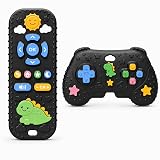
Recognizing the benefits of stimming naturally leads to questions about how to support healthy stimming practices. The goal is not to eliminate stimming, but to ensure that it is safe, effective, and minimally disruptive to the individual and their surroundings, if at all. One key approach is providing access to appropriate stim tools or fidgets that can channel stimming behaviors in a beneficial way. Items like fidget spinners, stress balls, chewelry, or textured objects can offer a discreet and acceptable outlet for sensory needs.
Creating sensory-friendly environments is another supportive strategy. This involves adjusting lighting, noise levels, and available textures to reduce overwhelming sensory input, which can in turn lessen the need for intense stimming. Offering quiet spaces or areas where stimming is openly accepted can also be invaluable. These adjustments allow individuals more freedom to self-regulate without fear of judgment.
Finally, open communication and education play a significant role. Discussing stimming with children, students, or colleagues can help normalize these behaviors and reduce stigma. Understanding why an individual might be stimming can lead to greater empathy and support. By promoting acceptance and providing suitable resources, healthy stimming can be encouraged, empowering individuals to manage their emotional and sensory landscapes effectively. The importance of stimming as a healthy self-stimulatory behavior cannot be overstated.
Your Stimming Questions: Celebrating Natural Self-Regulation
What is stimming?
Stimming, or self-stimulatory behavior, refers to repetitive physical movements, sounds, words, or object manipulation. It’s a natural action used to regulate one’s internal state in response to stimuli or emotions.
Who engages in stimming?
Everyone engages in stimming to some degree, including both autistic and neurotypical individuals. It is a fundamental human experience shared across the neurodiversity spectrum.
Why do people stim?
People stim to regulate emotions, process sensory input, enhance concentration, or express themselves. It helps individuals achieve a desired level of arousal or calm in various environments.
Is stimming generally healthy?
Yes, stimming is generally a healthy and purposeful coping mechanism. It should not be discouraged or suppressed, as it helps individuals maintain comfort and stability.