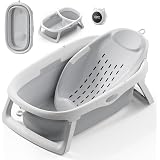
Mastering Baby Bath Time: A Gentle Guide for New Parents
Do you find yourself wondering how best to approach the delicate task of bathing a baby, especially a newborn? The accompanying video visually illustrates the practical steps involved in this essential part of infant care. However, the nuances and critical considerations extend beyond mere demonstration. This comprehensive guide will delve deeper into the methodologies, safety protocols, and tips for transforming what can initially feel daunting into a cherished bonding experience for both parent and child.
Preparing for Your Baby’s Bath: Essential Supplies and Environment
Before any water touches your little one, meticulous preparation is truly paramount. A calm and organized environment is often the foundation for a successful and comforting baby bath. It is typically recommended that all necessary items are gathered and placed within arm’s reach. This proactive measure prevents the need to step away from the baby, even momentarily, which could compromise their safety. The room where the bath will take place should also be adequately warm, ideally around 75-80°F (24-27°C), in order that a chill is not experienced by the baby during or after their bath.
A comprehensive list of supplies usually includes:
- A soft, hooded towel for wrapping the baby warmly after the bath.
- Two soft washcloths: one for washing and one for rinsing.
- A mild, baby-specific soap or cleanser that is tear-free and hypoallergenic. Harsh chemicals or adult soaps are generally too drying for a baby’s delicate skin.
- A clean diaper and a fresh set of clothes.
- Baby lotion or moisturizer, if desired, to combat dryness after the bath.
- A clean, flat surface for dressing the baby, such as a changing table or a bed with a fresh towel.
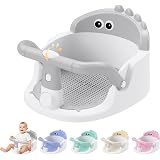
- A small basin or baby bathtub with a non-slip surface, designed specifically for infants.
- A thermometer to accurately gauge the water temperature.
Furthermore, it is often advised that the bath area be clear of any potential hazards. Electrical outlets should be covered, and any sharp objects or cleaning supplies should be stored out of reach. This meticulous approach ensures that the focus remains entirely on the baby during their bath time.
The Art of the Newborn Sponge Bath: Gentle Care Before Cord Detachment
For newborns, especially those whose umbilical cord stump has not yet fallen off, a full immersion bath is not typically recommended. Instead, a sponge bath is universally considered the safer and more appropriate method. This technique ensures the cord stump remains dry, which is critical for preventing infection and promoting its natural detachment. The process, while seemingly simple, requires a gentle touch and careful attention to detail.
To begin a newborn sponge bath, the baby is generally undressed, with the exception of the diaper, and then wrapped snugly in a warm towel. A small basin of warm water, with a temperature of approximately 98-100°F (37-38°C), should be prepared. This temperature can be verified with a bath thermometer or by testing a drop on the inside of your wrist – it should feel comfortably warm, not hot. A clean washcloth is then dampened with water (without soap initially) and used to gently wipe the baby’s face, paying particular attention to the eyes and around the mouth. Each eye is usually wiped from the inner corner outwards, using a fresh part of the washcloth for each eye to avoid transferring any potential irritants.
Subsequently, a tiny amount of mild baby soap can be applied to a different, clean washcloth. The baby’s hair and scalp are then gently washed, followed by a thorough rinse with a clean, damp cloth. The rest of the body is washed section by section, starting with the neck and working downwards. The umbilical cord area must be diligently avoided, as should the healing circumcision site for boys. Skin folds, such as those in the neck, under the arms, and in the groin area, require particular attention, as moisture can accumulate there. The diaper area is cleaned last. Throughout the sponge bath, the baby should be kept as warm as possible, with only the section being washed exposed. Upon completion, the baby is quickly dried with a soft towel, paying careful attention to all skin folds to prevent irritation, and then dressed immediately.
Transitioning to Tub Baths: When and How
Once the umbilical cord stump has completely fallen off and the area is fully healed, usually around one to four weeks after birth, a full immersion bath in a baby bathtub can commence. This transition marks an exciting step, offering more opportunities for sensory stimulation and water play. However, the same principles of safety and warmth continue to apply, if not more so, given the increased water volume.
A baby bathtub, which typically features a contoured design or an insert, helps to securely support the infant. The tub should be filled with only about 2-3 inches of warm water, maintaining the temperature between 98-100°F (37-38°C). A common analogy for checking water temperature is to consider it like a good cup of tea – warm enough to be comforting but certainly not scalding. Always verify the temperature with a thermometer before placing the baby in the water.
When placing the baby into the tub, it is imperative to maintain a secure hold. One arm should support the baby’s head and neck, with the hand grasping the opposite armpit. The other hand is then used to gently lower the baby feet-first into the water. Constant support for the head and neck is absolutely crucial throughout the entire bathing process. Using a mild, baby-specific cleanser, the same systematic washing approach can be employed: face first, then hair, followed by the rest of the body. Special attention should be given to ensuring that all soap is thoroughly rinsed from the baby’s skin to prevent dryness or irritation.
Ensuring Safety During Baby Bath Time: Non-Negotiable Rules
The cardinal rule of bathing a baby is unequivocal: Never, ever leave a baby unattended in or near water, not even for a second. This cannot be overstated, as drowning can occur in incredibly shallow water and happen silently and swiftly. If an adult must leave the room for any reason, the baby must be taken out of the tub and wrapped securely in a towel.
Other vital safety considerations include:
- Water Depth: For tub baths, only 2-3 inches of water are typically required. This minimizes risk while still allowing for thorough washing.
- Non-Slip Surfaces: Ensure the baby bathtub has a non-slip base or use a non-slip mat if bathing in a regular tub, which is usually not recommended until the baby is older and can sit up unassisted.
- Temperature Control: Always test water temperature before placing the baby in the bath. Hot water heaters are often set to a maximum of 120°F (49°C) to prevent scalding.
- Accessibility: Keep all bath supplies within immediate reach so that the baby does not need to be left alone to retrieve items.
- Secure Hold: Maintain a firm but gentle grip on the baby at all times to prevent slipping. Babies can become surprisingly slippery when wet.
Making Bath Time an Enjoyable and Comforting Experience
Beyond the hygiene aspect, bathing a baby offers a profound opportunity for bonding and sensory development. For many infants, the warm water and gentle touch can be incredibly soothing, akin to the feeling of being in the womb. This peaceful interaction is often enhanced when a calm and reassuring atmosphere is created.
Singing soft songs, talking gently to the baby, or simply maintaining eye contact can significantly contribute to a positive bath time routine. Some parents find that using a soft bath toy, even for very young babies, can add an element of fun, though toys should always be kept simple and clean. The goal is to make the experience feel safe, warm, and loving, rather than a mere chore. Observing the baby’s cues is also essential; if they appear distressed or cold, the bath should be concluded promptly. The frequency of bathing a baby is not necessarily a daily affair; typically, two to three times a week is often sufficient for newborns and young infants, as frequent bathing can dry out their delicate skin. On non-bath days, spot cleaning of the face, neck, and diaper area is generally adequate.
Post-bath care is as important as the bath itself. After carefully lifting the baby from the tub, they should be immediately wrapped in a warm, hooded towel. Gentle patting, rather than rubbing, is used to dry the skin, with particular attention to drying all skin folds to prevent moisture build-up and irritation. Following drying, a mild, hypoallergenic baby lotion can be massaged into the skin, which not only helps to moisturize but also provides another opportunity for tender touch and bonding. Dressing the baby quickly ensures they remain warm and comfortable. The entire process of bathing a baby, from preparation to post-bath cuddles, contributes significantly to their overall well-being and strengthens the parent-child connection.
Splish, Splash, Ask Away!
What essential supplies do I need for my baby’s bath?
You’ll need a baby bathtub, soft towels, mild baby soap, washcloths, a clean diaper, fresh clothes, and a water thermometer. Make sure all these items are within arm’s reach before starting.
How warm should the room be when bathing my baby?
The room where you’re bathing your baby should be comfortably warm, ideally around 75-80°F (24-27°C). This helps prevent your baby from getting cold during or after their bath.
When can I start giving my newborn a full bath in a tub?
It’s best to wait until your baby’s umbilical cord stump has completely fallen off and the area is fully healed, which is usually one to four weeks after birth. Until then, a sponge bath is recommended.
How do I check the bath water temperature for my baby?
The bath water should be warm, around 98-100°F (37-38°C). You can check it with a bath thermometer or by testing a drop on the inside of your wrist to ensure it feels comfortably warm, not hot.
Is it safe to leave my baby alone in the bathtub for a moment?
No, it is critically important to never leave your baby unattended in or near water, even for a second. Drowning can occur very quickly and silently in shallow water.