The journey of parenthood often includes many moments of joy and wonder, alongside a learning curve, particularly concerning the delicate needs of a newborn. As perhaps observed in the accompanying video showcasing essential baby skincare tips, understanding and nurturing your baby’s skin is a fundamental aspect of their overall well-being. Unlike adult skin, a baby’s skin barrier is significantly thinner and more permeable, making it more susceptible to irritants, dryness, and environmental factors. This vulnerability means that a thoughtful and gentle approach to their daily care regimen is not just beneficial, but truly necessary for maintaining healthy, happy skin.
Establishing an effective skincare routine for your little one can feel like a complex puzzle at first, with countless products and conflicting advice available. However, a clear understanding of basic principles allows for informed decisions regarding cleansing, moisturizing, and protecting their sensitive epidermis. Proper care helps prevent common skin issues, ensuring comfort for your baby and peace of mind for you. Throughout this guide, practical strategies are provided to help navigate the nuances of infant dermal health, expanding upon the general ideas presented in the visual content.
Understanding Your Baby’s Unique Skin Structure
Firstly, it is important to recognize that a baby’s skin is structurally and functionally different from that of an adult. The outer layer, known as the epidermis, is considerably thinner and less developed in infants, meaning protective functions are still maturing. This delicate barrier allows substances to be absorbed more easily and moisture to be lost more quickly, akin to a fine silk cloth compared to a sturdy cotton fabric. Therefore, extreme gentleness is always emphasized when handling and caring for infant skin.
Moreover, the pH balance of a newborn’s skin is slightly higher than an adult’s, making it less acidic and thus less resistant to certain bacteria and fungi. This particular characteristic explains why babies are prone to specific skin conditions, such as diaper rash and cradle cap. Awareness of these inherent differences informs why specialized products and techniques are recommended for infant hygiene. Maintaining this delicate balance is considered a priority for preventing irritation and ensuring optimal skin health during these crucial developmental stages.
Gentle Bathing Practices for Happy Skin
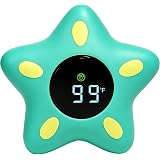
Secondly, bathing is a key component of baby skincare, yet it should be approached with moderation and care. Frequent or prolonged baths can strip natural oils from the skin, potentially leading to dryness and irritation; therefore, baths are generally advised two to three times per week for newborns, or more frequently if a baby is particularly messy. The water temperature should always be lukewarm, tested carefully on the inside of your wrist or elbow, feeling just warm but not hot, much like a perfectly brewed cup of tea that is allowed to cool slightly before sipping. A bath thermometer can also be utilized to ensure the water is consistently between 98 to 100 degrees Fahrenheit (37 to 38 degrees Celsius).
Only mild, fragrance-free, and pH-neutral baby cleansers should be selected, as these are formulated to be gentle on sensitive skin. These products are usually labeled as “tear-free,” signifying their mildness, and are designed to avoid irritating a baby’s eyes. During the bath, a soft washcloth or your hand can be used to gently cleanse all creases and folds of the skin. Following the bath, the skin should be gently patted dry with a soft towel, rather than rubbed vigorously, to prevent friction and retain some surface moisture. This cautious approach is paramount for maintaining the integrity of the baby’s tender skin barrier.
The Art of Moisturizing Baby Skin
Thirdly, moisturizing is an indispensable step in preserving the softness and integrity of a baby’s skin, especially after bathing. The skin’s natural moisture barrier can be replenished by applying a suitable baby-specific moisturizer within minutes of patting them dry. This action helps to “lock in” the moisture, much like placing a lid on a pot helps to keep the steam inside. A variety of moisturizing options are available, including lotions, creams, and ointments, each offering different levels of hydration and protection.
Lotions are typically lighter and are absorbed quickly, while creams are thicker and provide more intense hydration, often preferred for normal to dry skin. Ointments, being the thickest, create a strong barrier and are frequently recommended for very dry or compromised skin conditions, acting like a protective shield. When selecting a moisturizer, products free from artificial fragrances, dyes, and harsh chemicals are generally preferred. Ingredients such as petrolatum, mineral oil, or ceramide-containing formulations are often suggested by pediatricians for their effectiveness and safety. Consistent application can significantly improve skin hydration and comfort.
Tackling Diaper Rash with Confidence
Next, diaper rash is a very common concern that can be effectively managed with proactive strategies and prompt treatment. This irritation often develops when skin is exposed to prolonged wetness from urine and feces, coupled with friction from the diaper, resembling a leaf that has been left too long in a puddle. Therefore, frequent diaper changes are considered the primary defense, ideally every two to three hours or immediately after bowel movements. Allowing the baby to have some “diaper-free” time each day, where their bottom is exposed to air, can also be significantly beneficial for drying out the skin and preventing rash formation.
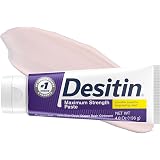
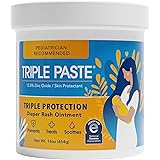
When a rash does appear, the area should be gently cleansed with water or a mild, alcohol-free wipe and then thoroughly dried before applying a thick layer of diaper rash cream. Zinc oxide or petrolatum-based creams are typically recommended because they form a protective barrier against moisture and irritants. If the rash persists or appears to be worsening despite these measures, or if there are signs of infection such as pus or significant redness, it is strongly advised that medical advice be sought from a pediatrician. Early intervention ensures optimal resolution and comfort for the baby.
Protecting Your Little One from the Elements
Furthermore, shielding a baby’s delicate skin from environmental stressors is an important part of comprehensive skincare. Exposure to harsh sun, cold winds, and extreme temperatures can quickly lead to damage and discomfort. For sun protection, direct sunlight exposure should be avoided for infants younger than six months; instead, shade should be sought under umbrellas, trees, or canopies. Lightweight clothing that covers arms and legs, along with wide-brimmed hats, is recommended to create a physical barrier against UV rays, much like a tiny personal canopy. A small amount of mineral-based sunscreen, containing zinc oxide or titanium dioxide, is generally considered safe for babies over six months if sun avoidance is not possible, applied only to small exposed areas.
In colder weather, layers of soft, warm clothing are advised to maintain body temperature without overheating, ensuring skin is not directly exposed to biting winds. A gentle, protective balm can be applied to exposed areas like the cheeks to prevent chapping, forming a shield against the elements. Similarly, during hot and humid conditions, light, breathable fabrics are preferred to prevent overheating and sweat rash. Being mindful of these external factors plays a crucial role in safeguarding a baby’s sensitive skin throughout the year, preserving its natural resilience.
Common Baby Skin Concerns and Solutions
Additionally, parents may encounter several common skin conditions that are typically benign and manageable with proper care. Cradle cap, characterized by greasy, yellow, scaly patches on the scalp, is often observed in newborns and usually resolves on its own within a few weeks or months. It can be gently treated by regularly washing the baby’s hair with a mild shampoo and softly brushing the scalp with a soft-bristled brush to loosen the scales. Applying a small amount of baby oil to the scalp for a few minutes before shampooing can also help to soften the crusts, making them easier to remove, much like preparing a tough stain for cleaning.
Baby acne, which appears as small red bumps or pustules, is often seen on the face and is attributed to maternal hormones still circulating in the baby’s system. This condition typically disappears without treatment within a few weeks or months, and harsh scrubbing or acne treatments are not recommended, as they could irritate the baby’s sensitive skin. Eczema, or atopic dermatitis, can manifest as dry, red, itchy patches, and often requires consistent moisturizing with thick creams or oint to maintain the skin barrier. Identifying potential triggers such as certain soaps, detergents, or allergens is also considered key in managing eczema flare-ups. A medical professional should be consulted if any of these conditions persist or cause significant distress to the baby.
Choosing Safe and Effective Baby Skincare Products
Finally, the selection of skincare products for babies demands careful consideration, given their skin’s increased permeability. Labels should always be read meticulously, looking for indications such as “hypoallergenic,” “fragrance-free,” “dye-free,” and “dermatologist-tested” or “pediatrician-recommended.” These phrases often indicate that the product has been formulated with sensitive skin in mind and has undergone testing to minimize the risk of allergic reactions and irritation. Ingredients to actively avoid include parabens, phthalates, sulfates, and artificial fragrances, which can be harsh and potentially disruptive to developing systems. Products containing natural, plant-derived ingredients are sometimes preferred, but even these should be patch-tested on a small area of skin first, as natural does not always equate to non-allergenic. Opting for simplicity and minimal ingredients is generally a wise strategy when choosing products for your baby’s delicate skin, ensuring effective yet gentle care for their growing needs.
Addressing Your Baby’s Delicate Skin Queries
Why is baby skin so delicate compared to adult skin?
A baby’s skin is much thinner and more permeable than an adult’s, meaning it absorbs substances more easily and loses moisture quickly. Its protective functions are still developing.
How often should I bathe my newborn baby?
For newborns, it’s generally advised to bathe them two to three times per week. Frequent or prolonged baths can strip natural oils, potentially leading to dryness and irritation.
Why is moisturizing important for my baby’s skin?
Moisturizing is crucial for replenishing your baby’s natural moisture barrier and locking in hydration, especially after bathing. This helps to keep their skin soft and prevents dryness.
What should I look for when choosing skincare products for my baby?
Always choose products labeled as “hypoallergenic,” “fragrance-free,” “dye-free,” and “dermatologist-tested” or “pediatrician-recommended.” Avoid ingredients like parabens, phthalates, sulfates, and artificial fragrances.